


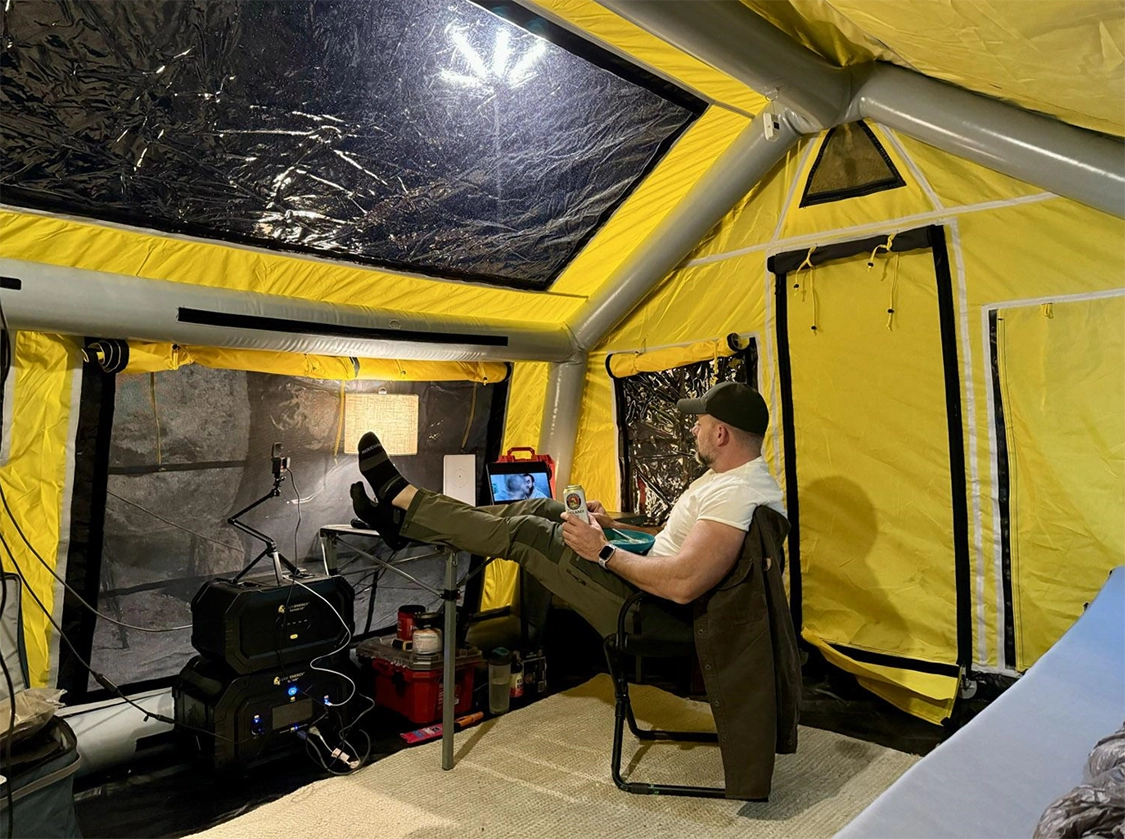
Environmental Impact of Inflatable Tents
Inflatable tents have become a popular choice for outdoor events, commercial promotions, recreational activities, and emergency shelters due to their portability, rapid deployment, and versatile designs. While these tents offer convenience and efficiency, it is important to consider their environmental impact. From materials used in production to energy consumption during inflation and disposal practices, inflatable tents can contribute to environmental effects that require careful evaluation and mitigation. Understanding these impacts helps manufacturers, event organizers, and users make more sustainable choices.
Professional Inflatable Tent Manufacturers are increasingly focused on reducing the ecological footprint of their products. Through careful material selection, sustainable production methods, and design improvements, manufacturers aim to minimize environmental harm while maintaining the functionality, durability, and aesthetic appeal of inflatable tents.
Table of Contents
ToggleMaterials and Resource Consumption
The primary materials used in inflatable tents, such as PVC-coated polyester, Oxford fabric with PU coatings, and laminated textiles, have environmental implications. PVC production involves the use of chlorine and other chemicals that can be harmful if not managed properly. Polyurethane coatings and synthetic fabrics require petrochemical inputs, contributing to resource depletion and greenhouse gas emissions.
High-quality materials are necessary for durability and long-term performance, but their production and processing consume significant energy and resources. Choosing recyclable or eco-friendly alternatives, such as PVC-free laminates or recycled polyester fabrics, can reduce the environmental impact of these products.
Energy Use During Inflation
Inflatable tents rely on electric or battery-powered blowers and pumps for inflation. While the energy consumption of individual setups is relatively low, large-scale events with multiple tents can result in significant energy use. Continuous operation of blowers during extended events adds to electricity demand, contributing indirectly to carbon emissions, especially if the energy source is non-renewable.
Manufacturers are addressing this issue by developing energy-efficient blowers, low-pressure inflation systems, and air retention technologies that reduce the need for constant power, improving the overall environmental performance of the tents.
Durability and Life Cycle Benefits
One of the positive environmental aspects of inflatable tents is their potential for long-term use. Durable tents can be reused across multiple events and years, reducing the need for single-use structures or disposable alternatives. Long-lasting tents reduce the frequency of replacement, conserving materials and minimizing waste.
However, lifespan depends heavily on proper maintenance, storage, and handling. Users who follow care guidelines, including cleaning, folding, and valve management, contribute to sustainability by extending the functional life of each tent.
Waste Management and Disposal
End-of-life disposal is a critical aspect of the environmental impact of inflatable tents. Non-recyclable materials, improper disposal, or incineration can release toxins and contribute to landfill accumulation. PVC, in particular, poses challenges due to its chemical composition and difficulty in recycling.
To mitigate this impact, some manufacturers offer recycling programs, repair kits, and modular designs that allow partial replacement of worn components rather than discarding the entire tent. Responsible disposal practices and material recovery are essential to minimize ecological harm.
Transportation and Carbon Footprint
Transporting inflatable tents from manufacturers to users or event sites also contributes to environmental impact. Large tents require trucks or shipping containers, consuming fuel and generating greenhouse gas emissions. Lightweight designs and compact packing can reduce shipping volume and energy requirements, making transportation more efficient.
By optimizing production and distribution logistics, manufacturers can help reduce the carbon footprint associated with inflatable tent deployment, particularly for international shipments or recurring events.
Sustainable Manufacturing Practices
Some inflatable tent manufacturers are adopting sustainable production practices, including using eco-friendly adhesives, reducing solvent use, and improving waste management in factories. Selecting suppliers who follow environmentally responsible practices further reduces the overall impact.
Design innovations, such as modular structures and multi-chamber systems, not only enhance stability but also support repairability and reusability, extending the tent’s lifecycle and minimizing environmental effects.
User Responsibility and Best Practices
Users also play a key role in reducing environmental impact. Proper maintenance, careful setup to avoid material damage, and adherence to storage guidelines all contribute to the longevity of tents, lowering the need for frequent replacement. Minimizing blower operation time, using renewable energy sources when possible, and participating in recycling or take-back programs further reduce ecological footprints.
Conclusion
Inflatable tents offer many practical advantages for commercial, recreational, and emergency applications, but their environmental impact should not be overlooked. Material selection, energy use, transportation, durability, and disposal practices all influence their ecological footprint. By choosing sustainable materials, following responsible usage and maintenance practices, and supporting manufacturers committed to environmentally conscious production, the impact of inflatable tents can be significantly mitigated. Awareness and proactive measures ensure that these versatile structures remain both practical and environmentally responsible solutions for events and outdoor activities.