


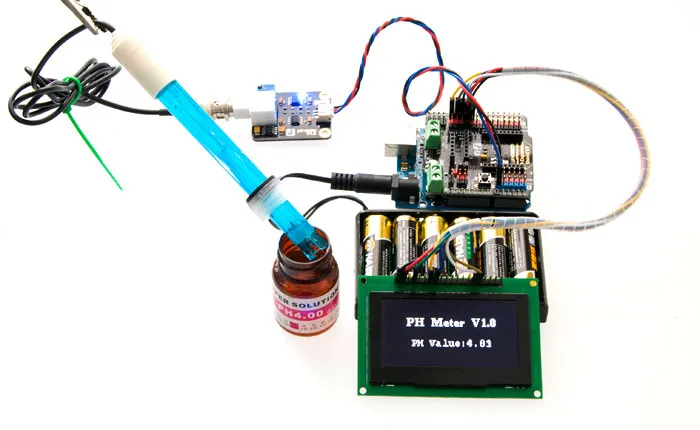
How a Water pH Sensor Supports Sustainable Water Management
Sustainable water management is increasingly critical as populations grow, industries expand, and environmental pressures intensify. Effective monitoring and control of water quality are essential to conserve resources, protect ecosystems, and ensure safe water for human consumption. Among the most important parameters for water management is pH, which reflects the acidity or alkalinity of water. A water pH sensor provides accurate, real-time data that enables sustainable practices across municipal, industrial, and environmental applications.
Table of Contents
ToggleThe Role of pH in Sustainable Water Practices
Maintaining balanced pH levels is crucial for water treatment, environmental protection, and industrial processes. Acidic water can corrode pipes, degrade infrastructure, and harm aquatic ecosystems, while highly alkaline water can reduce chemical treatment efficiency and cause scaling in equipment. Monitoring pH helps maintain optimal water quality and supports sustainable resource management.
A water ph sensor converts hydrogen ion concentration into precise electrical readings, providing operators with real-time insights into water conditions. This allows for timely adjustments in treatment processes, chemical dosing, or environmental interventions, helping to reduce waste, minimize environmental impact, and optimize resource use.
Applications in Water Treatment
In municipal and industrial water treatment facilities, water pH sensors are used to monitor intake water, treatment processes, and distribution networks. Continuous pH measurements ensure that water is safe for consumption, meets regulatory standards, and maintains chemical balance. By providing accurate data, sensors help optimize the use of chemicals such as coagulants, disinfectants, or neutralizing agents, reducing environmental footprint and operational costs.
In wastewater treatment, maintaining the correct pH is essential for biological treatment processes. Water pH sensors help operators regulate conditions for microbial activity, ensuring efficient removal of contaminants while minimizing the need for excessive chemical treatment.
Supporting Environmental Protection
Water pH sensors play a key role in environmental monitoring and conservation. Monitoring rivers, lakes, and groundwater for pH fluctuations allows authorities to detect pollution, acid rain effects, or industrial discharge early. Timely detection enables intervention before damage occurs to aquatic life, vegetation, or water quality downstream.
By providing continuous and reliable measurements, pH sensors contribute to ecosystem preservation and promote sustainable water management practices that balance human needs with environmental protection.
Integration with Automated Systems
Modern water management systems increasingly rely on automation and smart monitoring. Water pH sensors can be integrated with automated control systems, allowing continuous monitoring, data logging, and real-time alerts for deviations.
When pH levels fall outside the desired range, automated systems can adjust chemical dosing, trigger alarms, or activate mitigation processes. This integration ensures optimal water quality, reduces human error, and supports efficient, sustainable management of water resources.
Benefits of Using a Water pH Sensor
The use of water pH sensors offers several benefits for sustainable water management:
-
Real-Time Monitoring: Provides immediate detection of pH fluctuations for proactive management.
-
Chemical Optimization: Reduces excessive chemical use in treatment processes, saving resources and lowering costs.
-
Infrastructure Protection: Prevents corrosion and scaling in pipes and equipment, extending system lifespan.
-
Environmental Safety: Supports early detection of pollution and acidification in natural water bodies.
-
Data-Driven Decision Making: Continuous data logging allows trend analysis, regulatory compliance, and resource planning.
Maintenance and Accuracy Considerations
To ensure reliable performance, water pH sensors require regular calibration and proper maintenance. Electrode fouling from sediments, biofilms, or chemical residues can affect readings. Extreme temperatures and harsh chemicals may also impact sensor accuracy.
Proper cleaning, routine calibration using standard buffer solutions, and selecting sensors suited for the specific application are essential for long-term reliability. This ensures accurate monitoring that supports sustainable water management goals.
Conclusion
A water pH sensor is a vital tool for achieving sustainable water management by providing accurate, real-time measurements of water acidity and alkalinity. Its applications in treatment facilities, industrial processes, and environmental monitoring help conserve resources, protect ecosystems, and ensure safe water for all uses. By integrating sensors into automated systems and maintaining proper calibration, operators can optimize chemical use, prevent infrastructure damage, and make informed, sustainable decisions for water management practices.