


Key Features to Look for in a Continuous Inkjet Printer
Table of Contents
ToggleIntroduction to Continuous Inkjet Printers
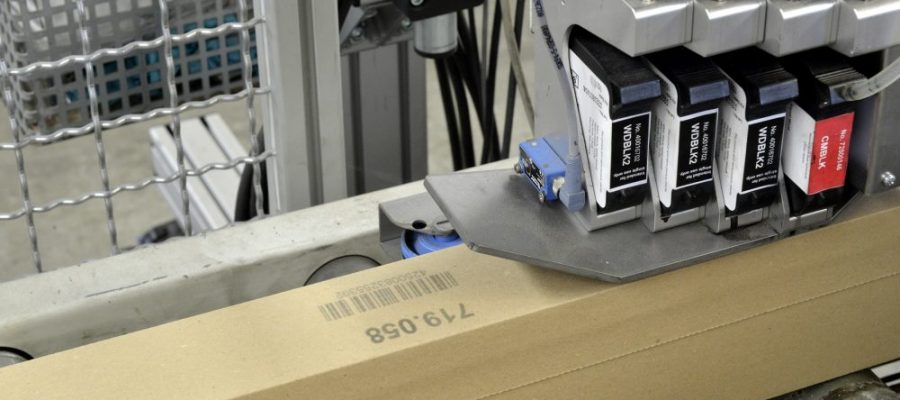
Continuous Inkjet (CIJ) printers are widely used in manufacturing and packaging industries for high-speed product marking. They provide the ability to print batch numbers, expiration dates, barcodes, and other critical product information directly on a variety of substrates. As production lines become faster and more automated, choosing the right CIJ printer is essential to ensure efficiency, reliability, and compliance with industry standards.
Selecting the best printer requires an understanding of the key features that impact performance, durability, and operational ease. Many manufacturers rely on advanced Continuous Inkjet Printer solutions to maintain consistent product coding and improve production workflow. These features help reduce downtime, minimize errors, and optimize overall manufacturing efficiency.
High-Speed Printing Capability
One of the most important features to look for in a CIJ printer is its ability to handle high-speed printing. Industrial production lines often operate at several hundred products per minute, and the printer must keep pace without compromising print quality. High-speed CIJ printers ensure that markings are applied accurately and consistently, even on fast-moving packaging lines.
High-speed printing also reduces bottlenecks and improves overall throughput, allowing manufacturers to meet production targets while maintaining precise coding and labeling.
Versatility Across Substrates
A versatile CIJ printer can print on a wide range of materials, including plastics, metals, glass, cardboard, and flexible packaging. This capability is crucial for manufacturers who handle multiple product types or packaging designs. A printer that can handle diverse substrates eliminates the need for multiple marking systems and reduces production complexity.
Printers with adaptable print heads and adjustable nozzle configurations can deliver consistent results on challenging surfaces, ensuring high-quality markings across all products.
Automated Maintenance Features
Maintenance requirements are a key consideration when selecting a CIJ printer. Modern printers often include automated cleaning systems and self-monitoring capabilities to minimize manual maintenance. Features such as auto-flushing nozzles, ink circulation systems, and self-diagnosis alerts help reduce downtime and prevent common printing issues like nozzle clogging.
Automated maintenance improves operational efficiency, allowing printers to run continuously with minimal intervention, which is especially important in high-volume production environments.
High-Resolution Printing and Accuracy
The accuracy and clarity of printed information are critical in industries such as pharmaceuticals, food and beverage, and electronics. CIJ printers should provide high-resolution printing to ensure legible, durable markings, even on small or curved surfaces. Features such as precise ink control, variable character height, and consistent print quality help maintain compliance and reduce the risk of errors or mislabeling.
Accurate printing also minimizes waste by reducing the number of products rejected due to illegible or incorrect markings.
Integration with Production Systems
Modern manufacturing operations often rely on automation and data management systems. A CIJ printer with integration capabilities can communicate with Manufacturing Execution Systems (MES), Enterprise Resource Planning (ERP) software, and other automated line systems. This integration allows real-time monitoring of production performance, ink usage, and print quality.
Seamless integration reduces manual intervention, ensures accurate data capture, and allows for centralized control of multiple production lines. Manufacturers benefit from improved traceability, operational efficiency, and simplified workflow management.
Flexible Coding Options
Flexibility in coding options is another essential feature. CIJ printers should support a range of printing modes, including text, graphics, barcodes, and QR codes. Variable data printing capabilities enable manufacturers to change batch numbers, expiration dates, and other product-specific information quickly without stopping the production line.
Flexible coding features enhance productivity and enable manufacturers to handle multiple product variations efficiently.
Durability and Reliability
Industrial production environments can be harsh, with temperature fluctuations, dust, humidity, and vibration. A durable and reliable CIJ printer is designed to withstand these conditions while maintaining consistent performance. Features like robust printheads, corrosion-resistant components, and high-quality ink delivery systems contribute to long-term reliability.
Investing in a durable printer reduces maintenance costs, minimizes production interruptions, and ensures continuous high-quality output.
User-Friendly Interface and Operation
Ease of operation is an important consideration for maximizing efficiency. CIJ printers with intuitive touchscreens, pre-programmed templates, and simple navigation reduce the learning curve for operators. A user-friendly interface enables quick adjustments to print settings, batch changes, and system diagnostics.
Simplified operation improves workflow, reduces the likelihood of operator errors, and allows production teams to focus on overall efficiency rather than troubleshooting the printer.
Conclusion
Selecting the right Continuous Inkjet Printer requires careful evaluation of multiple features, including high-speed capability, substrate versatility, automated maintenance, print resolution, system integration, flexible coding, durability, and user-friendliness.
By prioritizing these features, manufacturers can ensure reliable performance, reduce downtime, and maintain consistent, high-quality markings across all products. A well-chosen CIJ printer is not just a marking device—it is a strategic tool that improves efficiency, supports compliance, and optimizes production operations in diverse industrial environments.