


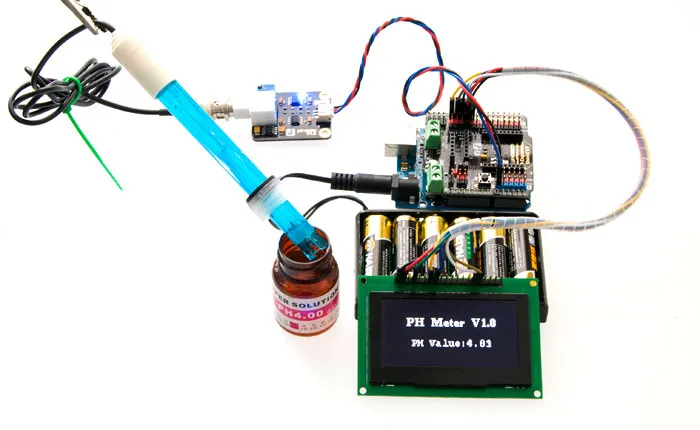
Portable pH Sensors for Field Testing and On-Site Analysis
Monitoring pH in the field is essential for industries such as agriculture, environmental management, water treatment, and food production. Unlike laboratory-based analysis, field testing requires equipment that is portable, robust, and easy to operate, providing reliable readings in diverse and sometimes challenging conditions. Portable pH sensors are specifically designed to meet these demands, enabling on-site decision-making and rapid assessment of liquid samples.
Portable pH sensors offer flexibility and convenience by allowing measurements directly at the source. This eliminates the need to transport samples to a laboratory, reducing the time between collection and results. Additionally, immediate readings enable professionals to identify potential issues early, whether in soil, water, or industrial processes, and take corrective actions without delay.
A pH sensor used for field applications combines sensitivity, durability, and portability. These devices are typically battery-operated, lightweight, and designed to withstand environmental factors such as temperature variations, dust, and moisture. Many portable models also include digital displays and data logging capabilities, allowing users to store and analyze measurements efficiently on-site.
Table of Contents
ToggleAdvantages of Portable pH Sensors
Portable pH sensors provide several benefits for field testing:
-
Real-Time Analysis: Immediate readings allow for quick assessment and prompt corrective actions.
-
Flexibility: Suitable for a variety of applications, including soil testing, water quality monitoring, and industrial process evaluation.
-
Cost-Effective: Reduces laboratory costs and sample transportation expenses.
-
Ease of Use: Designed for intuitive operation, often requiring minimal training.
These advantages make portable pH sensors an invaluable tool for professionals who need accurate measurements in dynamic environments.
Key Features to Consider
When selecting a portable pH sensor for field use, several factors should be evaluated:
-
Accuracy and Precision: Ensure the device provides reliable readings suitable for the application.
-
Durability: The sensor should resist shocks, temperature fluctuations, and exposure to chemicals.
-
Calibration Capability: Devices with simple calibration procedures help maintain accuracy in the field.
-
Data Storage and Connectivity: Some models offer digital logging, USB transfer, or wireless connectivity for easier analysis and record-keeping.
-
Electrode Type: Glass electrodes are common, but solid-state or combination electrodes may be preferable for specific environments.
Applications in Agriculture
In agriculture, portable pH sensors are used to monitor soil and irrigation water. Accurate pH measurements guide fertilization practices, soil amendments, and crop selection, ensuring optimal growth conditions. For instance, knowing the acidity or alkalinity of soil helps farmers apply lime or sulfur precisely, reducing costs and preventing environmental impact.
Applications in Environmental Monitoring
Environmental professionals use portable pH sensors to assess water quality in rivers, lakes, and groundwater. Field measurements help detect pollution, evaluate ecosystem health, and comply with regulatory standards. The portability of these sensors allows teams to cover large areas quickly, gathering real-time data for accurate analysis and reporting.
Industrial and Food Production Uses
Portable pH sensors are also valuable in industrial processes and food production. On-site testing ensures that chemical reactions, water treatment, and production lines maintain the correct pH levels. Quick readings prevent product defects, improve efficiency, and enhance compliance with safety regulations.
Maintenance and Calibration in the Field
Maintaining accuracy in portable pH sensors requires proper care. Regular calibration with standard buffer solutions ensures reliable readings. Cleaning the electrode after each use prevents residue buildup, while proper storage protects the device from damage. Many modern portable sensors are designed for easy maintenance, allowing operators to perform these tasks quickly in field conditions.
Conclusion
Portable pH sensors are essential tools for on-site analysis across agriculture, environmental monitoring, industrial operations, and food production. Their combination of accuracy, portability, and ease of use allows professionals to make informed decisions quickly, improving efficiency, safety, and sustainability. By selecting the right device and following proper maintenance procedures, users can rely on portable pH sensors to deliver precise and consistent measurements in the field.