


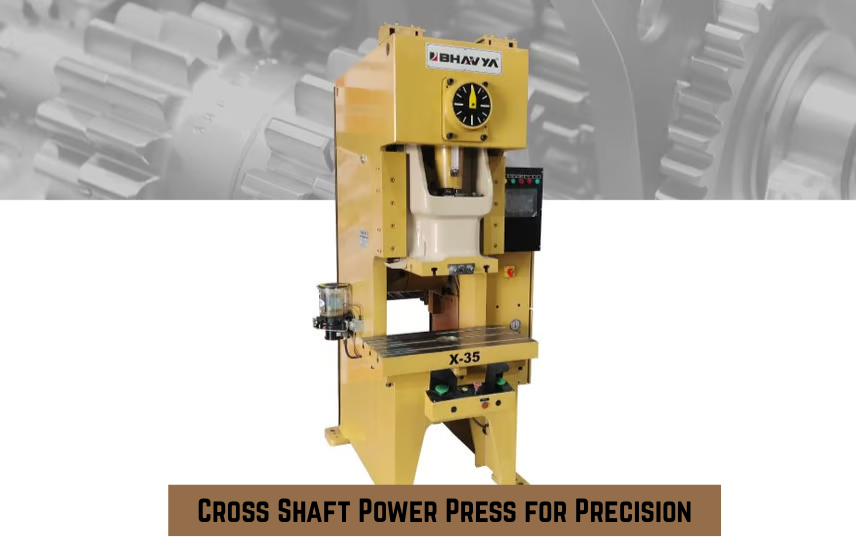
Press Machine: Types, Working Principles, and Industrial Applications
A Press Machine is a vital tool in modern manufacturing, extensively used for shaping, cutting, bending, and forming materials such as metal, plastic, and composites. From automotive components to electronic enclosures and household appliances, press machines play a critical role in high-precision, high-volume production. Understanding the different types of presses, their working principles, and their applications can help businesses choose the right equipment for their manufacturing needs.
Press machines have evolved significantly over the years, incorporating advanced technologies such as servo-driven systems, automation, and real-time monitoring. Companies seeking reliable machinery and industry expertise can benefit from consulting a Press Machine supplier that offers a wide range of presses, custom solutions, and technical support for optimizing production processes.
Table of Contents
ToggleTypes of Press Machines
Press machines are broadly classified based on their working principles and energy sources. The main types include:
1. Mechanical Press
Mechanical presses use a flywheel, crankshaft, and mechanical linkage to convert rotational energy into linear motion. They are highly efficient for high-speed operations and are commonly used in stamping, punching, and blanking processes. Mechanical presses offer precise stroke lengths and repeatability, making them ideal for high-volume production. However, they are less flexible in adjusting force and stroke during operation compared to other types.
2. Hydraulic Press
Hydraulic presses operate by applying hydraulic pressure to a piston, which generates a compressive force. These presses provide consistent force throughout the stroke, making them suitable for deep drawing, forging, and bending operations. Hydraulic presses are versatile, capable of handling large and complex parts, and allow variable stroke lengths and pressures. Their slower operating speed compared to mechanical presses is offset by their ability to handle heavy-duty applications.
3. Pneumatic Press
Pneumatic presses utilize compressed air to generate force for material shaping and assembly tasks. These presses are ideal for light-duty operations, such as assembling small components, pressing bearings, or forming thin sheets. Pneumatic presses are cost-effective, energy-efficient, and easy to maintain, but they are generally unsuitable for heavy or high-force applications.
4. Servo Press
Servo-driven presses are among the latest innovations in press technology. Using high-precision servo motors, these presses control the ram’s speed, position, and force in real time. Servo presses provide greater flexibility, energy efficiency, and accuracy compared to traditional mechanical or hydraulic presses. They are particularly useful in electronics, automotive, and precision forming industries where complex shapes and variable forces are required.
Working Principles of Press Machines
Although the energy sources may differ, all press machines operate on the basic principle of applying force to a material to change its shape or dimensions. The working process involves the following steps:
- Material Placement – The raw material is positioned on the press bed or die surface, ensuring proper alignment.
- Force Application – The ram or pressing element moves downward, applying controlled force to deform or cut the material. The type and magnitude of force depend on the press mechanism (mechanical, hydraulic, pneumatic, or servo).
- Shaping or Cutting – The material undergoes plastic deformation, forming, or cutting as required by the die and tooling.
- Material Removal – The pressed part is ejected or removed from the machine, and the press is reset for the next cycle.
Modern presses may incorporate sensors, programmable controls, and automated material handling to enhance precision, safety, and productivity.
Industrial Applications of Press Machines
Press machines are essential across a wide range of industries due to their ability to produce high-precision components at scale. Some key industrial applications include:
- Automotive Industry – Press machines manufacture body panels, engine components, and structural parts with high accuracy and repeatability.
- Electronics Manufacturing – Precision presses are used for stamping metal contacts, connectors, and electronic enclosures.
- Aerospace Industry – Hydraulic and servo presses handle complex shaping and forming of lightweight alloys for aircraft components.
- Household Appliances – Press machines produce metal parts for appliances, including frames, casings, and panels.
- Metalworking and Fabrication – General fabrication operations such as cutting, bending, and deep drawing rely on presses for efficiency and precision.
Additionally, with the integration of automation and IoT monitoring, presses are now capable of high-volume production while maintaining consistent quality and reducing operator intervention.
Conclusion
A press machine is an indispensable tool in modern manufacturing, offering versatility, precision, and efficiency for a variety of industrial applications. Understanding the types of presses, from mechanical and hydraulic to pneumatic and servo-driven, allows businesses to select the right equipment for their specific needs. Coupled with advanced control systems, automation, and real-time monitoring, modern presses enhance production capacity, reduce material waste, and ensure consistent quality. Partnering with a knowledgeable Press Machine supplier ensures access to reliable machinery, technical expertise, and customized solutions that support long-term operational success.