


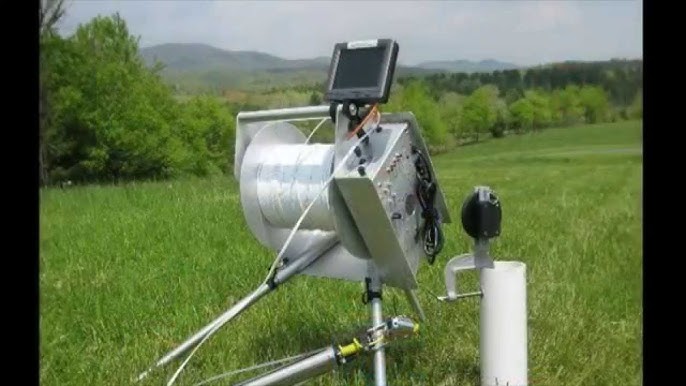
The Impact of Borehole Cameras on Modern Hydrogeology
Hydrogeology relies on accurate observation and analysis of subsurface water systems to manage resources effectively. Traditional methods, such as manual sampling and indirect measurements, can provide limited insights into borehole and aquifer conditions. Today, borehole cameras have transformed the field by offering detailed, real-time visual data that enhances understanding of groundwater systems, well integrity, and subsurface structures.
Enhancing Groundwater Assessment
Borehole cameras allow hydrogeologists to directly observe water-bearing formations and aquifer conditions. By capturing clear images of borehole interiors, these cameras provide valuable information on sediment levels, water clarity, and potential contamination. This visual evidence complements traditional measurement techniques, improving the accuracy of groundwater assessments and supporting effective management of water resources.
Detecting Well Integrity Issues
Maintaining well integrity is critical for sustainable hydrogeology practices. Borehole cameras help identify structural problems such as casing cracks, corrosion, or misalignment that may compromise water quality or flow. High-resolution imaging allows precise detection of defects, enabling timely repairs and preventing long-term damage. This capability reduces the risk of contamination and ensures the reliability of water supply systems.
Supporting Hydrogeological Research
Modern hydrogeology increasingly relies on accurate subsurface data for modeling and predictive studies. Borehole cameras provide researchers with detailed visual records that can be analyzed to understand aquifer dynamics, sediment transport, and groundwater behavior. By capturing images at multiple depths, these cameras facilitate comprehensive data collection, helping hydrogeologists develop more accurate models and make informed decisions regarding resource management.
Real-Time Monitoring and Documentation
Borehole cameras offer the advantage of real-time monitoring, which is essential for both research and operational purposes. Operators can observe conditions as the camera traverses the borehole, detecting anomalies or changes immediately. Additionally, the ability to record and store footage provides a valuable historical reference for long-term monitoring programs, ensuring consistency and supporting regulatory compliance in hydrogeological projects.
Versatility Across Applications
Beyond water wells, borehole cameras are versatile tools in hydrogeology. They can inspect monitoring wells, assess subsurface contamination, and examine underground structures associated with water management projects. Their flexibility, combined with features like pan-and-tilt functionality and durable construction, ensures accurate inspection even in challenging environments such as deep or water-filled boreholes.
Cost-Effectiveness and Efficiency
Integrating borehole cameras into hydrogeological workflows offers both efficiency and cost benefits. By reducing the need for manual inspections, minimizing downtime, and allowing early detection of potential issues, these cameras save time and resources. The ability to conduct thorough inspections quickly and safely makes borehole cameras a practical and valuable investment for modern hydrogeology projects.
Conclusion
Borehole cameras have had a significant impact on modern hydrogeology by enhancing observation, data accuracy, and operational efficiency. Their high-resolution imaging, real-time monitoring, and adaptability across different subsurface environments make them indispensable tools for groundwater assessment, well integrity inspection, and hydrogeological research. By leveraging the capabilities of borehole cameras, hydrogeologists can achieve more precise analysis, ensure sustainable resource management, and maintain the safety and reliability of subsurface water systems.