


Where Energy Goes When a Landing Goes Wrong
A jump rarely ends the way the body expects. Feet meet the floor, knees bend, and the moment seems complete. Yet when timing slips or balance drifts, energy has nowhere simple to go. It does not vanish. It moves, changes shape, and presses into joints, muscles, and surfaces. Understanding that movement helps explain why some landings feel safe while others echo through the body long after contact.
When a person lands poorly, force travels fast. The floor resists the body’s weight and speed, pushing back with equal strength. If the surface gives too little, the body absorbs most of the shock. Ankles stiffen. Knees hesitate. Hips take on more load than planned. The spine reacts last, often with a delayed jolt that feels small at first and louder later.
Designers often think about softness as the answer. A softer surface seems kinder. That idea may be true in part, but softness alone does not guide energy well. A surface must slow the body over time, not stop it all at once. When slowing happens too quickly, force spikes. When it happens too slowly, balance suffers. The body then twists or reaches to recover, sending energy sideways instead of down.
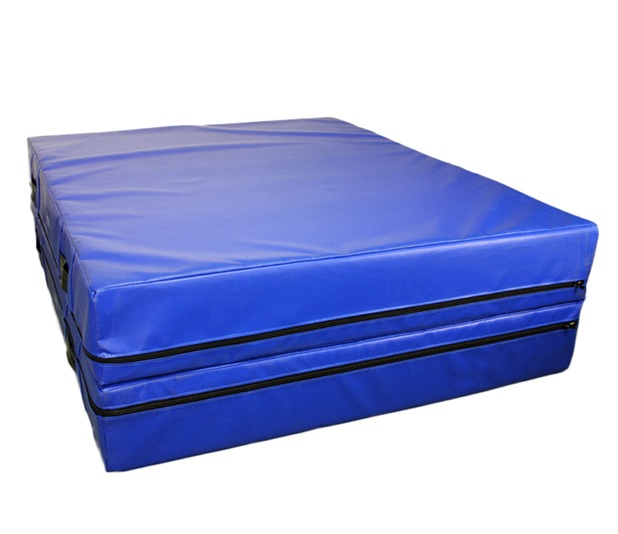
This is where crash mats enter the picture. Their role is not simply to cushion. They aim to stretch the moment of impact, spreading force across a longer time and a wider area. The best versions do this without feeling unstable. They allow the body to sink, then guide it back, rather than letting it collapse.
Yet even with such surfaces, energy still chooses a path. If a landing comes off-centre, force may slide toward the edge. If the body rotates, energy follows the spin. The mat reacts, but only within its limits. Foam compresses. Layers shift. The surface responds based on its build, not on intent.
Many training spaces assume repetition solves this problem. Over time, the body learns. That may be true, but learning often happens through small costs. Each awkward landing leaves a trace. The body adjusts posture, shortens range, or avoids certain angles. These changes reduce risk but also narrow movement.
Energy management becomes more complex during fatigue. Tired muscles delay reaction. Landings grow flatter. Force hits harder. The same surface that felt supportive earlier may now feel unkind. The mat has not changed, but the body’s timing has.
Crash mats are often blamed at this point. They feel worn. They feel slow. Yet the issue may lie in how energy now enters the system. A tired athlete drops weight faster. The surface receives more force than before, even if height stays the same.
Surfaces also age. Foam loses resilience. It still compresses, but it returns more slowly. Energy sinks in and lingers. The body waits for stability and finds none. Balance work increases. Small stabilising muscles work harder. Strain shifts upward.
Designers sometimes try to fix this by adding thickness. That can help, though it may also hide early signals. A very thick surface absorbs more, but it can mask poor mechanics until force grows too large. Then failure feels sudden.
A more careful approach considers how energy enters, spreads, and leaves the surface. It accepts that some uncertainty remains. No mat removes risk. It only reshapes it.
In training halls where crash mats see daily use, understanding this flow matters. Coaches watch landings. Athletes listen to feedback from joints and breath. When energy moves cleanly, landings feel quiet. When it does not, the body speaks.
That conversation, rather than blind trust in crash mats, guides safer progress.