


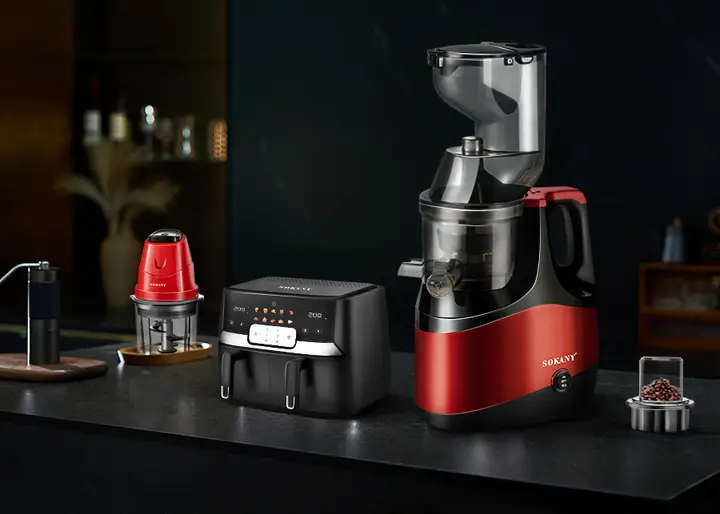
Differences Between Premium and Budget Small Appliance Brands
The small appliance market offers a wide range of products that vary significantly in price, performance, and design. From basic household tools to advanced smart devices, consumers can choose between budget-friendly options and premium-grade appliances depending on their needs and expectations. Understanding the differences between these categories is essential for making informed purchasing decisions, especially for businesses involved in retail or distribution.
In this competitive landscape, many buyers compare different small appliance brands to evaluate which category best suits their target market, whether they prioritize affordability, durability, or advanced features.
Table of Contents
ToggleUnderstanding Budget Small Appliance Brands
Budget appliance brands focus on affordability and accessibility. Their primary goal is to provide functional products at lower price points, making them attractive to cost-conscious consumers and entry-level markets.
Key characteristics of budget brands include:
- Simplified product designs with essential features only
- Lower production and material costs
- Basic functionality without advanced technology
- Wide availability in mass retail and online platforms
These brands are often preferred by first-time buyers, students, or households looking for economical solutions for everyday tasks. While they may lack premium features, they still serve practical household needs effectively.
Understanding Premium Small Appliance Brands
Premium appliance brands position themselves in the higher-end segment of the market. They emphasize superior performance, advanced technology, and refined design aesthetics. These brands often invest heavily in research, innovation, and product development.
Typical features of premium brands include:
- Advanced smart technology and automation features
- High-quality materials such as stainless steel and reinforced components
- Enhanced durability and longer product lifespan
- Sleek, modern, and ergonomic designs
- Strong focus on energy efficiency and sustainability
Premium appliances are often targeted at consumers who value performance, convenience, and long-term reliability over initial cost.
Key Differences in Product Quality
One of the most noticeable differences between premium and budget appliances is product quality. Premium brands typically use higher-grade materials and more precise manufacturing processes, resulting in better durability and performance consistency.
Budget brands, on the other hand, prioritize cost efficiency, which can sometimes lead to shorter product lifespans or fewer advanced features. However, they still meet basic safety and functionality standards required for everyday use.
Technology and Innovation Gap
Technology integration is another major differentiator between the two categories. Premium brands often lead in innovation, introducing features such as:
- Smart home connectivity
- Digital touch controls and app integration
- Sensor-based automation
- Multi-function operating modes
Budget brands generally focus on essential mechanical or basic electrical functions, with limited or no smart features. This makes them simpler to operate but less versatile compared to premium alternatives.
Design and Aesthetic Differences
Design plays an important role in consumer choice, especially in modern households where appliances are part of interior aesthetics. Premium brands invest heavily in design, offering products that are visually appealing and aligned with contemporary trends.
Budget brands typically prioritize functionality over appearance, resulting in simpler and more utilitarian designs. While they may lack premium finishes, they still provide practical solutions for everyday use.
Pricing and Market Positioning
Price is the most obvious difference between premium and budget appliance brands. Budget products are designed to be affordable and accessible to a wider audience, while premium products are positioned as long-term investments.
- Budget brands: Lower upfront cost, higher accessibility
- Premium brands: Higher upfront cost, better long-term value
Consumers often choose based on their financial priorities and expected usage intensity.
Durability and Lifespan
Premium appliances generally offer longer lifespans due to superior materials, better engineering, and stricter quality control. They are designed for frequent and long-term use without significant performance decline.
Budget appliances may have shorter lifespans but are often sufficient for light or occasional use. This makes them suitable for short-term needs or lower usage environments.
Choosing Between Premium and Budget Brands
The decision between premium and budget appliances depends on several factors:
- Frequency of use
- Budget constraints
- Desired features and technology
- Long-term investment expectations
For businesses, understanding these differences is crucial when selecting products for different market segments. Offering both categories can help cater to a broader customer base and maximize market reach.
Conclusion
Premium and budget small appliance brands serve different purposes within the global market. While premium brands focus on innovation, durability, and advanced features, budget brands emphasize affordability and practicality. Both play an essential role in meeting diverse consumer needs. By understanding these differences, buyers and businesses can make more strategic decisions when selecting products that align with their goals and target audiences.