


Popular Types of Tissue Culture Plants for Home Gardens and Commercial Nurseries
Tissue culture propagation has transformed modern plant production by making it possible to grow large quantities of selected plant varieties under controlled laboratory conditions. From decorative indoor foliage to flowering ornamentals and agricultural crops, tissue culture plants offer options for both home gardeners and commercial nurseries. Their availability in different varieties and growth stages makes them useful for people with different gardening goals.
For buyers exploring Tissue Culture Plants for Sale, understanding the popular plant categories can make selection easier. Each variety has its own appearance, growing requirements, and market demand. Choosing suitable plants depends on factors such as available space, climate, maintenance needs, and whether the plants are intended for personal enjoyment or commercial cultivation.
1. Monstera Plants
Monstera varieties are widely recognized for their distinctive foliage. Their large leaves, natural splits, and attractive growth habits make them popular choices for indoor gardens and decorative plant collections.
Popular Monstera Varieties
Some commonly cultivated types include:
- Monstera deliciosa: Known for its large, deeply divided leaves as it matures.
- Monstera adansonii: Recognized by the characteristic holes in its leaves.
- Monstera albo: Valued for its striking white or cream variegation.
- Monstera Thai Constellation: Noted for its speckled, cream-colored leaf patterns.
Home gardeners often choose Monstera plants as statement foliage specimens. Commercial nurseries may also grow different varieties to serve collectors and indoor landscaping markets.
2. Philodendron Plants
Philodendrons are another popular group of tropical foliage plants. Their diversity in leaf shape, color, and growth habit makes them suitable for different indoor environments and nursery collections.
Common Types of Philodendrons
- Philodendron Birkin: Features dark green leaves with attractive light-colored stripes.
- Philodendron Pink Princess: Known for pink variegation against dark foliage.
- Philodendron Micans: Has velvety leaves with subtle bronze or green tones.
- Philodendron Gloriosum: Recognized for large, heart-shaped leaves and prominent veins.
These varieties can appeal to both beginners and experienced collectors. Their care requirements differ, so buyers should check light, humidity, and watering preferences before selecting a particular type.
3. Aglaonema Plants
Aglaonema, often called Chinese evergreen, is valued for its decorative leaves and range of colors. Depending on the variety, foliage may feature green, silver, pink, red, or cream patterns.
These plants are commonly used in homes, offices, and indoor landscaping projects. Their adaptability to certain lower-light environments makes them attractive to people who cannot provide strong natural sunlight.
For commercial nurseries, Aglaonema varieties offer opportunities to develop collections with different leaf colors and patterns. Consistent labeling is important because visually similar varieties may have different characteristics.
4. Anthurium Plants
Anthuriums are popular for their attractive foliage and distinctive flowers. Some varieties are cultivated mainly for their ornamental leaves, while others are valued for colorful flower structures.
Popular Anthurium Categories
- Anthurium andraeanum: Commonly grown for its colorful, heart-shaped flower structures.
- Anthurium crystallinum: Appreciated for its velvety leaves and contrasting veins.
- Anthurium clarinervium: Recognized for thick, heart-shaped foliage with prominent pale veins.
Tissue culture propagation can help nurseries produce selected Anthurium varieties in larger quantities. Buyers should confirm the exact variety and expected growth characteristics before placing an order.
5. Orchid Plants
Orchids are among the most established categories in commercial tissue culture propagation. Their wide range of flower colors, shapes, and growing habits makes them popular with collectors, florists, and ornamental plant producers.
Common Orchid Types
- Phalaenopsis: Often called moth orchids, these are widely used as decorative flowering plants.
- Dendrobium: A diverse group with many flowering forms and colors.
- Cymbidium: Known for its long-lasting flowers and suitability for certain cooler growing conditions.
- Cattleya: Appreciated for its large, often fragrant flowers.
Different orchid varieties have specific temperature, humidity, light, and growing-medium requirements. Nurseries should select types according to their production facilities and target markets.
6. Syngonium Plants
Syngonium varieties are popular tropical foliage plants with arrow-shaped leaves. Their foliage can change in shape as they mature, while different cultivars offer green, pink, cream, and variegated patterns.
They are commonly grown in containers, hanging baskets, and indoor plant displays. Their relatively adaptable nature makes many varieties suitable for beginner gardeners.
Commercial growers may choose several Syngonium cultivars to provide customers with different colors and growth habits.
7. Calathea and Related Foliage Plants
Calathea plants are known for decorative leaf patterns, contrasting colors, and distinctive foliage. Their appearance makes them attractive additions to indoor plant collections.
Some commonly cultivated types include:
- Calathea ornata: Features dark green leaves with fine pink or pale stripes.
- Calathea makoyana: Known for patterned leaves with feather-like markings.
- Calathea lancifolia: Recognized by its long leaves with distinctive dark markings.
These plants generally benefit from stable humidity and protection from harsh direct sunlight. Beginners should understand their moisture and environmental requirements before purchasing.
8. Ferns
Ferns are valued for their delicate foliage and natural appearance. Tissue culture propagation is used for selected fern varieties, helping nurseries produce planting material for ornamental landscaping and indoor collections.
Popular types include Boston fern, maidenhair fern, and selected bird’s nest ferns.
Ferns often prefer indirect light and consistent moisture, although their exact requirements vary. Buyers should check whether a particular variety is suitable for indoor containers, shaded outdoor areas, or landscape applications.
9. Succulents
Certain succulent varieties can also be propagated through tissue culture. Their unusual shapes, compact growth, and ability to store water make them popular among collectors and decorative plant growers.
Examples include selected Echeveria, Haworthia, and other ornamental succulent varieties.
Succulents generally require well-draining growing media and careful watering. Excess moisture can cause root problems, particularly when plants are kept in poorly ventilated conditions.
Commercial nurseries should select varieties based on customer demand, growing facilities, and the time required for plants to reach a marketable size.
10. Banana and Other Agricultural Plants
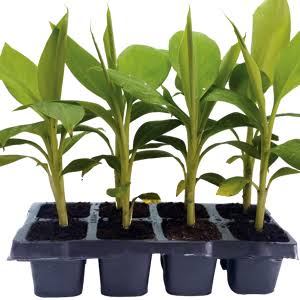
Tissue culture is not limited to ornamental plants. It is also widely used for producing selected agricultural varieties, including banana plants.
Tissue-cultured banana plantlets can provide growers with planting material for commercial farms and agricultural projects. Depending on the variety and production system, they may offer more uniform starting material than some traditional propagation methods.
Pineapple and selected other crops are also propagated using tissue culture techniques. Buyers should confirm variety identity, plant health, and suitability for local soil and climate conditions.
11. How Home Gardeners Can Choose Suitable Varieties
Home gardeners should consider their available space and level of gardening experience before purchasing tissue culture plants.
Match Plants to Indoor Conditions
Check the amount of natural light available and compare it with the plant’s requirements. Some foliage varieties tolerate indirect light, while others need brighter conditions to maintain healthy growth.
Consider Maintenance Requirements
Beginners may prefer plants with relatively straightforward care routines. More sensitive varieties may require controlled humidity, careful watering, and closer monitoring during acclimatization.
Start with Manageable Quantities
Purchasing a small selection allows new gardeners to learn how different varieties respond to their environment before expanding their collections.
12. How Commercial Nurseries Can Select the Right Plants
Commercial nurseries need to evaluate plant varieties from both production and business perspectives. A plant that attracts customer interest must also be suitable for the nursery’s facilities and distribution plans.
Evaluate Market Demand
Research which varieties are popular among local customers, retailers, landscapers, and plant collectors. Demand can differ by region and season.
Check Production Requirements
Consider the space, labor, humidity control, growing media, and time needed to raise each variety to a saleable stage.
Plan Inventory Carefully
A balanced inventory can include established popular varieties and selected specialty plants. This approach helps nurseries serve different customer groups without relying entirely on one plant category.
Verify Supplier Standards
Before placing large orders, review the supplier’s plant specifications, packaging methods, quality checks, and shipping arrangements. Clear communication can reduce misunderstandings about plant size, variety, and delivery condition.
Buyers researching commercial plant sourcing can also review the available selections and product information from Young Plants when comparing tissue culture options.
13. Important Factors to Check Before Ordering
Regardless of whether plants are intended for a home garden or a commercial nursery, buyers should verify several details before confirming an order.
- Variety identification: Confirm the scientific name and cultivar where applicable.
- Growth stage: Determine whether plants are in sealed culture containers, rooted, or already acclimatized.
- Plant condition: Review leaf development, root formation, and visible signs of damage.
- Packaging: Ask how plants will be protected during transportation.
- Delivery arrangements: Confirm estimated shipping time and any necessary documentation.
- Care instructions: Request guidance for unpacking, acclimatization, and early growth.
These checks help buyers select plants that match their expectations and available growing conditions.
Conclusion
Tissue culture plants cover a broad range of ornamental and agricultural varieties, including Monstera, Philodendron, Aglaonema, Anthurium, orchids, ferns, succulents, and banana plants. Each category offers different characteristics and growing requirements, making careful selection important for both home gardeners and commercial nurseries.
By considering plant variety, environmental needs, supplier standards, and intended use, buyers can make more informed purchasing decisions. Understanding these factors also helps create suitable growing conditions and supports healthier plant development after delivery.