


Ride a Dino Attractions: What Makes Dinosaur-Themed Interactive Rides Exciting for Visitors?
Dinosaur-themed attractions have become popular features in amusement parks, family entertainment centers, shopping malls, and themed events. They combine the fascination of prehistoric creatures with interactive entertainment, giving visitors an opportunity to experience a dinosaur-inspired adventure rather than simply viewing a static display. From gentle rides for young children to more immersive attractions with realistic dinosaur designs, these experiences can appeal to a wide range of audiences.
The success of a dinosaur ride depends on several factors, including its appearance, movement, safety features, interactive elements, and overall visitor experience. A well-planned Ride A Dino attraction can become a memorable feature of an entertainment venue, encouraging families to participate, take photographs, and return for additional experiences. Understanding what makes these rides enjoyable can help operators and attraction planners make better design and purchasing decisions.
What Is a Ride a Dino Attraction?
A Ride a Dino attraction is an interactive entertainment experience that allows visitors to sit on or ride a dinosaur-themed structure. Depending on the design, the attraction may feature a moving dinosaur figure, a mechanical riding platform, or a dinosaur-shaped vehicle that follows a designated route.
These attractions are commonly designed for children and families, although larger or more advanced versions may appeal to older visitors as well.
Typical features can include:
- Dinosaur-shaped seating and body designs
- Controlled forward and backward movement
- Gentle bouncing or rocking actions
- Rotating or circular riding paths
- Music and sound effects
- Decorative lighting
- Operator-controlled movement
- Interactive buttons or simple controls
The exact features vary according to the ride type, intended age group, operating environment, and technical specifications.
Why Dinosaur-Themed Rides Appeal to Visitors
Dinosaurs have a strong visual appeal because they are recognizable, imaginative, and associated with adventure. Turning them into interactive rides creates an experience that combines entertainment with the excitement of exploring a prehistoric world.
A Familiar and Exciting Theme
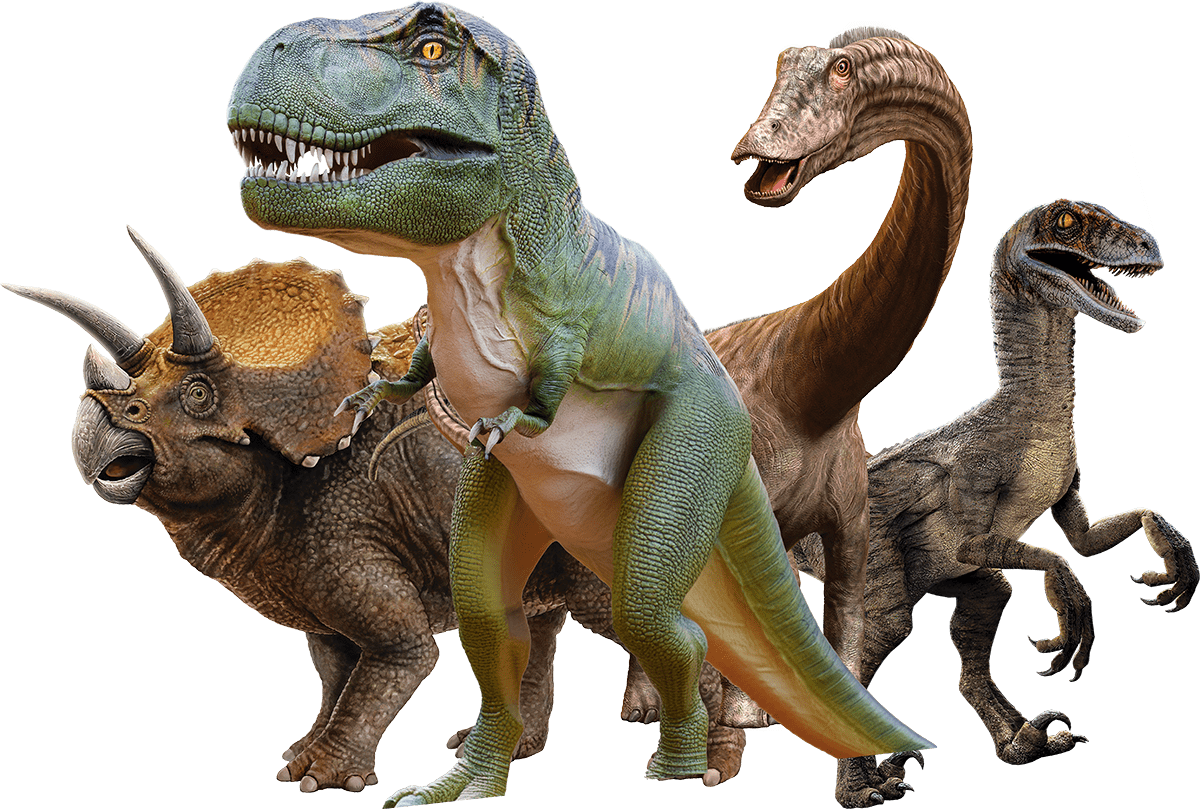
Children often recognize popular dinosaur species such as Tyrannosaurus rex, Triceratops, and Stegosaurus. These creatures provide an appealing foundation for themed attractions.
A dinosaur ride can transform a familiar prehistoric animal into an interactive character. Instead of simply looking at a dinosaur model, visitors can climb aboard and enjoy a simulated adventure.
Entertainment for Families
Family-friendly rides provide an activity that parents and children can enjoy together. Smaller attractions may be suitable for younger children, while larger installations can accommodate different visitor groups depending on their design.
A welcoming appearance, comfortable seating, and manageable movement can make a dinosaur ride more approachable for first-time riders.
Memorable Photo Opportunities
Dinosaur-themed attractions naturally encourage photographs. Their distinctive shapes, colors, and imaginative designs can become recognizable features within an entertainment venue.
A well-positioned ride can also help create a themed photo area, adding another reason for visitors to engage with the attraction.
Different Types of Dinosaur-Themed Interactive Rides
Not all dinosaur rides operate in the same way. Choosing the right type depends on the available space, intended audience, budget, and level of interaction required.
Coin-Operated Dinosaur Rides
Coin-operated dinosaur rides are commonly found in shopping malls, arcades, family entertainment centers, and retail environments.
Visitors activate the ride through a payment system, after which the dinosaur performs a programmed movement sequence for a set period.
Typical characteristics include:
- Compact dimensions
- Simple operating controls
- Short ride sessions
- Decorative dinosaur designs
- Repeated automated movement
These rides can be useful for businesses looking to introduce a small-scale interactive attraction without developing a large ride installation.
Moving Dinosaur Riding Attractions
Some attractions feature a dinosaur-shaped model that moves along a controlled path or through a designated riding area.
Depending on the design, the dinosaur may simulate walking or offer a gentle riding motion. These attractions can provide a more immersive experience than a stationary ride.
Their operation requires careful attention to movement control, stability, and the intended rider capacity.
Mechanical Dinosaur Rides
Mechanical dinosaur rides use motors, actuators, and control systems to produce movement.
Possible features include:
- Body rocking
- Head movement
- Tail movement
- Gentle bouncing
- Simulated walking actions
- Sound synchronization
The complexity of the mechanism depends on the attraction’s design. Movement should be appropriate for the intended audience and should not compromise rider comfort or safety.
Track-Based Dinosaur Rides
Track-based attractions move riders along a predetermined route. Dinosaur-themed vehicles or ride structures can be incorporated into the surrounding scenery to create a prehistoric adventure.
These installations generally require more space and infrastructure than compact coin-operated rides. Planning should include the track layout, loading and unloading areas, access routes, and operational requirements.
Design Features That Make Dinosaur Rides More Appealing
The visual design of a dinosaur ride strongly influences whether visitors notice it and feel interested in trying it.
Recognizable Dinosaur Shapes
A well-designed dinosaur figure should have recognizable features that communicate its intended species.
For example, a Tyrannosaurus-inspired ride may feature a large head, powerful legs, and distinctive teeth. A Triceratops design may emphasize its horns and facial frill.
Accurate proportions are important, but designers may also use slightly exaggerated features to make the attraction more appealing to children.
Attractive Colors and Finishes
Color selection can make a ride more noticeable in busy entertainment environments.
Naturalistic green, brown, and earthy shades may create a prehistoric appearance, while brighter colors can give a more playful and family-friendly character.
Surface textures, scales, facial details, and decorative patterns add depth to the design.
Comfortable Seating
Comfortable seating is essential because visitors need to feel secure while the attraction is operating.
Designers should consider:
- Seat dimensions
- Suitable back support
- Foot placement
- Handholds
- Rider positioning
- Age-appropriate restraint arrangements where required
The seating design should match the ride’s intended users and operating conditions.
Sound and Lighting Effects
Sound effects can make a dinosaur ride more engaging. Prehistoric roars, themed music, and other audio elements can help establish an entertaining atmosphere.
Lighting can highlight the dinosaur’s features and make the attraction more visible in indoor entertainment areas.
These effects should be coordinated with the ride’s movements rather than added without considering the overall experience.
How Movement Technology Creates an Engaging Ride
Movement is one of the main reasons interactive dinosaur rides attract attention. A stationary dinosaur sculpture can be visually impressive, but controlled motion gives visitors a more active experience.
Motors and Actuators
Motors and actuators provide the mechanical force needed to move different parts of the attraction.
Depending on the design, they may control the riding platform, body movement, head motion, or other animated features.
The selection of components should account for the moving load, required speed, operating frequency, and maintenance requirements.
Programmed Movement Sequences
A control system coordinates the ride’s movements. It determines when an action begins, how long it continues, and how different movements relate to one another.
A gentle sequence might involve a slow rocking motion combined with a short dinosaur sound effect.
The movement pattern should be suitable for the attraction’s intended age group and should be tested before public operation.
Smooth Starting and Stopping
Gradual acceleration and deceleration can improve rider comfort. Abrupt movement may make an otherwise enjoyable ride feel uncomfortable or intimidating, particularly for young children.
A suitable control system should provide predictable operation and allow operators to stop the ride when necessary.
Safety Considerations for Dinosaur-Themed Rides
Safety is a central part of designing and operating any amusement attraction. Dinosaur-themed rides intended for children require particular attention to rider protection, movement limits, and supervision.
Age and Weight Requirements
Each attraction should have clearly defined rider requirements based on its design and applicable safety standards.
Operators should communicate any age, height, or weight restrictions before visitors board.
Secure Seating and Restraints
Depending on the ride type, suitable handholds, seat supports, and restraint systems may be necessary.
These features should be designed according to the attraction’s movement and intended rider capacity.
Controlled Movement
Ride movements should remain within the limits established during design and testing. Operators should understand how to start, stop, and respond to unexpected operating conditions.
Regular Equipment Inspections
Mechanical and electrical components should be inspected according to an appropriate maintenance schedule.
Important checks may include:
- Motors and actuators
- Structural connections
- Seating and restraint systems
- Electrical wiring
- Control panels
- Emergency stop functions
- Moving joints and mechanical supports
Any unusual sound, unexpected movement, or visible damage should be investigated before the ride continues operating.
Safe Loading and Unloading
The boarding area should provide enough room for visitors to enter and leave safely. Operators should supervise the process and ensure the ride has stopped completely before allowing riders to disembark.
Where Ride a Dino Attractions Work Best
Dinosaur-themed rides can be adapted to different commercial and entertainment environments.
Shopping Malls
Shopping malls often have family-oriented entertainment zones where compact dinosaur rides can provide an additional activity for children.
Their colorful designs can attract attention, while their relatively small footprints may make them suitable for selected indoor locations.
Amusement Parks
Amusement parks can incorporate dinosaur rides into prehistoric-themed sections or family attraction areas.
Larger installations may be combined with dinosaur sculptures, themed landscaping, sound effects, and other attractions to create a more immersive environment.
Family Entertainment Centers
Family entertainment centers can use dinosaur rides alongside arcade games, soft-play areas, and other children’s activities.
The attraction can help diversify the venue’s entertainment options and provide an experience for younger visitors.
Hotels and Resorts
Hotels and family resorts may introduce small dinosaur rides in designated children’s activity areas.
The design should complement the surrounding environment and follow the property’s operational and safety requirements.
Festivals and Special Events
Portable or temporary dinosaur-themed attractions can add an entertaining feature to community festivals, promotional events, and seasonal celebrations.
For temporary installations, organizers should consider transport, setup time, electrical access, supervision, and event-specific safety arrangements.
Choosing the Right Dinosaur Ride for Your Business
Selecting an appropriate attraction requires more than choosing the most visually impressive model. Buyers should evaluate its practical suitability for the intended venue.
Consider the following factors:
- Target audience: Determine the ages and types of visitors the attraction is designed to serve.
- Available space: Measure the installation area and allow sufficient room for boarding, operation, and movement around the ride.
- Ride type: Compare coin-operated models, mechanical riding attractions, and track-based options.
- Visual design: Choose a dinosaur species and appearance that match the venue’s theme.
- Movement features: Identify the level of motion and interaction appropriate for the intended users.
- Safety specifications: Review rider limits, restraint arrangements, operating instructions, and applicable compliance requirements.
- Maintenance needs: Consider access to components, servicing requirements, and replacement parts.
- Operating costs: Account for electricity, staffing, maintenance, and any payment or control systems.
Requesting technical specifications and operating documentation before purchasing can help businesses compare different options more effectively.
Maintenance Tips for Long-Term Performance
Regular maintenance helps keep a dinosaur ride safe, attractive, and reliable.
Inspect the structure: Check the frame, supports, seating, and mounting points for signs of wear or damage.
Check mechanical components: Monitor motors, actuators, moving joints, and other components for unusual noise or inconsistent performance.
Test control systems: Confirm that operating controls and emergency stop functions work as intended.
Clean exterior surfaces: Remove dust and dirt using cleaning products suitable for the materials and finishes.
Inspect electrical systems: Have wiring, connections, and power components checked by qualified personnel.
Follow a service schedule: Keep maintenance records and arrange inspections according to the manufacturer’s recommendations and relevant safety requirements.
A well-maintained attraction can provide a more consistent experience and help reduce unexpected downtime.
How Dinosaur Rides Can Support Business Growth
Interactive attractions can contribute to a venue’s overall visitor experience and commercial appeal.
A dinosaur ride may encourage families to spend more time in an entertainment area, create additional activities for younger visitors, and provide a recognizable feature that distinguishes the venue from nearby competitors.
Businesses may also incorporate the attraction into promotional campaigns, seasonal events, and themed experiences.
However, commercial success depends on more than the attraction itself. Location, pricing, visitor demand, operating quality, safety, and maintenance all influence its long-term value.
Conclusion
Ride a Dino attractions combine prehistoric themes with interactive entertainment, giving visitors an opportunity to enjoy dinosaur-inspired experiences in a more engaging way. Their appeal comes from recognizable dinosaur designs, comfortable seating, controlled movement, sound effects, and suitable safety features.
Whether installed in shopping malls, amusement parks, family entertainment centers, or special events, the right dinosaur ride should match its audience, available space, and operating requirements. By carefully evaluating design, movement technology, safety, and maintenance, businesses can create an enjoyable attraction that adds lasting value to their entertainment environment.