


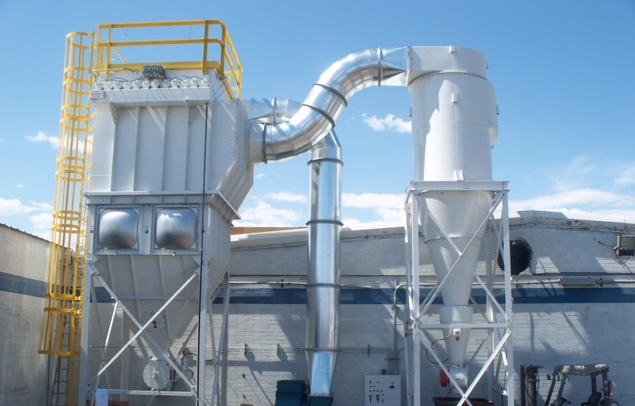
How a Dust Cleaner Helps Maintain Workplace Cleanliness and Air Quality
Clean working conditions are important in industrial facilities where dust is generated by production, packaging, material handling, and equipment maintenance. Particles can settle on floors, workbenches, machinery, and finished products, while finer dust may remain suspended in the air. Without a suitable cleaning approach, accumulation can increase housekeeping demands, interfere with equipment, and contribute to poor workplace conditions. Regular and effective dust removal helps facilities manage these issues.
A Dust Cleaner is a machine or cleaning system used to collect dust from surfaces or remove particulate matter from an air stream. Depending on its design, it may operate as an industrial vacuum, a filtered extraction unit, or part of a broader dust-control installation. Choosing the correct equipment requires an understanding of the type of dust, the area being cleaned, the frequency of use, and any hazards associated with the collected material.
1. Removes Dust from Floors and Work Surfaces
Dust can accumulate around machines, storage racks, production benches, and access routes. An industrial cleaning system helps remove this material before it spreads to other areas or becomes disturbed by routine activity.
Vacuum collection is often preferable to dry sweeping when fine particles could become airborne again. The equipment should have suitable filtration and collection capacity for the material being handled.
Cleaning schedules should identify frequently used areas as well as less visible locations, such as beneath machinery and around structural supports.
2. Helps Reduce Airborne Particle Disturbance
When settled dust is disturbed by footsteps, vehicle movement, compressed air, or equipment vibration, particles can return to the air. This can affect the conditions in areas where employees work.
A suitable vacuum cleaner can remove settled material with less disturbance than some conventional cleaning methods. However, surface cleaning alone cannot control dust continuously released by a production process.
For ongoing emissions, source extraction and suitable ventilation may also be required. A complete approach should address both airborne generation and settled accumulation.
3. Protects Machinery from Dust Buildup
Dust can collect around motors, ventilation openings, control panels, bearings, and moving components. Depending on the material and equipment design, this buildup may contribute to overheating, abrasion, reduced airflow, or mechanical problems.
Regular cleaning helps keep machinery and surrounding areas in better condition. Cleaning procedures should follow equipment manufacturers’ instructions, especially around electrical components and sensitive mechanisms.
Workers should use suitable tools and avoid directing dust into openings or components where it could cause damage.
4. Supports Product Cleanliness
In industries that manufacture sensitive components, packaged goods, or finished surfaces, uncontrolled dust can affect product quality.
Particles may contaminate materials during assembly, coating, finishing, or packaging. Cleaning equipment can help maintain tidier workstations and reduce the transfer of settled dust.
Facilities with strict product cleanliness requirements may need additional measures, such as enclosed processes, controlled environments, or specialized filtration. A general-purpose cleaning machine should not be assumed to meet those requirements automatically.
5. Selects Filtration for the Material
The filter is a central part of a dust-cleaning system. Different filter media are designed for different particle sizes and operating conditions.
Fine dust may require high-efficiency filtration, while damp or abrasive material may require a different construction. Filter compatibility should be checked against temperature, humidity, chemical properties, and the expected dust loading.
The complete machine must also be suitable for the intended material. In particular, hazardous or combustible dust may require specially designed equipment and a formal risk assessment.
6. Improves Housekeeping Organization
A structured cleaning program helps employees understand which areas need attention and how collected dust should be handled.
A facility can establish cleaning frequencies based on dust generation, production schedules, and the importance of each area. Collection containers should be emptied before they become overfilled, following safe procedures that prevent dust from escaping.
Cleaning responsibilities should be clear, and records can help supervisors identify locations where accumulation repeatedly occurs.
7. Considers Ease of Operation
The cleaner should be practical for the layout and working conditions. Important factors include hose length, mobility, container size, noise, power requirements, and access to replacement filters.
Large facilities may need several cleaning units or a centralized vacuum arrangement. Smaller work areas may be served by portable equipment.
The choice should consider how employees will transport, connect, empty, and maintain the machine during normal operations.
8. Maintains Equipment Performance
Filters gradually collect particles and may restrict airflow if not cleaned or replaced as required. Hoses can become blocked or damaged, while seals and connections may develop leaks.
Routine checks should include suction performance, filter condition, electrical connections, container seals, and the general condition of the machine. Maintenance should follow the manufacturer’s instructions and the hazards identified for the collected material.
Conclusion
A dust cleaner helps industrial facilities remove settled particles, maintain cleaner work areas, and support equipment and product cleanliness. Its effectiveness depends on selecting suitable filtration, matching the machine to the dust, and establishing consistent cleaning procedures. Where dust is continuously generated or presents a specific hazard, cleaning should form part of a wider dust-control and workplace safety program.