


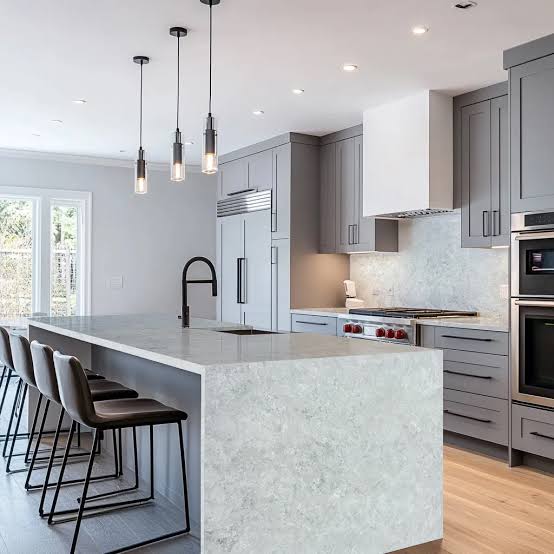
Why KKR Solid Surface Is a Practical Choice for Hotel and Hospitality Interiors
Hotel and hospitality interiors must balance attractive design with the practical demands of daily operation. Guest rooms, bathrooms, reception areas, restaurants, and shared facilities experience regular use, requiring materials that are visually appealing, manageable to maintain, and suitable for their intended applications. For hotel owners, architects, and interior designers, selecting the right surface materials is an important part of creating comfortable and functional spaces.
Solid surface materials have become an option for many contemporary hospitality projects because they offer design flexibility, smooth finishes, and various fabrication possibilities. From customized reception counters to bathroom vanity tops, KKR Solid Surface materials can be considered for different interior applications where their technical specifications meet project requirements. Understanding their potential benefits helps hospitality professionals make informed material decisions.
1. Meeting the Design Requirements of Modern Hotels
Hotels often use interior design to establish a recognizable identity and create a welcoming atmosphere for guests. Surface materials contribute to this impression through their colors, textures, shapes, and finishes.
Solid surface materials offer different design possibilities that can support a variety of hospitality styles.
Contemporary and Minimalist Interiors
Modern hotels frequently use clean lines, coordinated colors, and uncluttered surfaces. Solid surface countertops and vanity tops can complement these design elements through their smooth appearance and customizable dimensions.
Luxury Hospitality Spaces
Upscale hotels may require distinctive reception counters, decorative surfaces, and coordinated bathroom features. Customized fabrication can help designers create visual details that align with the property’s interior concept.
Consistent Design Across Different Areas
Using coordinated surface materials in guest bathrooms, reception areas, and shared facilities can help establish a consistent design language throughout a property.
2. Customization for Hotel Reception Areas
The reception desk is one of the first interior features guests encounter when entering a hotel. Its design can influence the overall impression of the property.
Solid surface materials may be suitable for customized reception counters, depending on the product’s specifications and fabrication capabilities.
Customized Counter Dimensions
Hotel reception areas vary in size and layout. Custom fabrication can accommodate different counter lengths, heights, and shapes according to architectural plans.
Distinctive Counter Designs
Curved edges, coordinated colors, and selected decorative details can help create a recognizable reception feature.
Integration with Interior Elements
A reception counter can be designed to coordinate with wall finishes, lighting, flooring, and furniture. This approach helps create a unified visual environment.
Practical considerations such as accessibility, structural support, cable management, and staff workflow should also be included in the design.
3. Supporting Functional Hotel Bathroom Designs
Bathrooms are important areas of the guest experience. Their surfaces should support regular cleaning while complementing the hotel’s overall interior style.
Solid surface materials can be used for selected bathroom components, including vanity tops, countertops, and washbasins.
Modern Vanity Tops
Customized vanity tops can accommodate different bathroom layouts and basin arrangements.
Their smooth finishes can also support routine cleaning when suitable maintenance procedures are followed.
Coordinated Washbasins
Some solid surface systems allow basins to be fabricated as coordinated components of a vanity design.
Depending on the fabrication method, this can create a more continuous appearance between the basin and surrounding countertop.
Space-Efficient Bathroom Layouts
Compact hotel bathrooms may require carefully planned dimensions.
Custom surface components can help make better use of available space while maintaining convenient access to sinks, faucets, and storage areas.
4. Practical Cleaning and Housekeeping Requirements
Housekeeping teams must maintain guest rooms and shared facilities according to regular cleaning schedules.
Materials that can be cleaned through straightforward procedures may help simplify daily maintenance.
Smooth Surface Finishes
Smooth solid surface finishes can generally be wiped with suitable cleaning tools to remove everyday dirt, water droplets, and personal care product residue.
Managing Common Bathroom Residues
Hotel bathroom surfaces may encounter soap, toothpaste, cosmetics, and other substances.
Prompt cleaning helps prevent residue from accumulating and affecting the appearance of the installation.
Cleaning Product Compatibility
Cleaning chemicals should always be checked against the manufacturer’s recommendations.
Hotels should not assume that disinfectants suitable for ceramic or natural stone surfaces are automatically compatible with every solid surface formulation.
5. Considering Hygiene in Hospitality Environments
Hygiene is a major priority in hotels because guest bathrooms and shared facilities are used by different people throughout the year.
Surface selection can support cleaning routines, although no material can replace proper housekeeping procedures.
Relatively Low-Porosity Characteristics
Many solid surface formulations have relatively low-porosity characteristics, which may limit liquid absorption compared with some more porous materials.
Actual performance varies by formulation and finish, so product-specific information should be reviewed.
Accessible Cleaning Areas
Well-planned countertops, vanity tops, and basin arrangements can make frequently used surfaces easier to reach during cleaning.
Maintaining Joints and Connections
Poorly maintained joints, damaged sealants, and plumbing connections may allow moisture to affect surrounding structures.
Regular inspection and appropriate repairs are important parts of hotel bathroom maintenance.
6. Durability for High-Use Hospitality Applications
Hospitality surfaces experience repeated contact from guests, housekeeping staff, and service personnel.
Their suitability depends on the level of use and the technical properties of the selected material.
Resistance to Everyday Wear
Reception counters, vanity tops, and other frequently used surfaces may encounter friction, impact, and contact with personal belongings.
Buyers should review relevant product specifications to understand the material’s resistance to everyday wear.
Stain Management
Food, beverages, cosmetics, and cleaning products may cause discoloration if they remain on a surface.
Prompt spill removal and suitable cleaning procedures can help maintain the material’s appearance.
Repair and Refinishing Options
Some solid surface products can be refinished to address certain scratches or surface imperfections.
This may be useful in hospitality environments where maintaining a consistent interior appearance is important. Repair methods depend on the product and the extent of the damage.
7. Customization for Hotel Room Interiors
Guest rooms often follow a consistent design theme, but their dimensions and layouts may vary.
Customized surface components can help maintain a coordinated appearance across different room types.
Guest Room Vanity Areas
Hotels may use similar vanity designs throughout multiple rooms.
Standardized dimensions and coordinated finishes can support visual consistency and simplify purchasing.
Compact Guest Room Designs
Smaller rooms require efficient use of available space.
Custom countertops and vanity surfaces can be planned around storage units, plumbing positions, and other fixtures.
Premium Room Features
Suites and premium rooms may include larger vanity areas, decorative counters, or customized furniture details.
Solid surface components can be considered where their design and performance characteristics meet the intended requirements.
8. Applications in Restaurants and Hotel Dining Areas
Restaurants, cafés, and dining facilities within hotels require materials that complement their interiors while supporting regular cleaning.
Solid surface products may be used for selected counters and decorative applications.
Service Counters
Customized service counters can be designed to coordinate with restaurant layouts and brand identity.
Their dimensions should support staff workflow and customer access.
Buffet and Display Areas
Certain solid surface materials may be suitable for decorative buffet counters and display surfaces.
For food-contact applications, buyers should verify the relevant product approvals and applicable food-safety requirements rather than assuming every product is suitable.
Café Interiors
Coffee counters and selected decorative surfaces may use coordinated colors and finishes to create a consistent visual appearance.
Heat exposure, spills, and cleaning requirements should be considered during material selection.
9. Design Flexibility Across Different Hospitality Styles
Hospitality properties range from business hotels and boutique accommodation to resorts and luxury properties.
Their interior materials need to reflect different design directions.
Boutique Hotels
Boutique properties often use distinctive colors, customized furniture, and unique architectural details.
Solid surface fabrication may provide options for developing visually distinctive counters and vanity features.
Business Hotels
Business hotels generally require practical, coordinated interiors that are easy to maintain.
Standardized surface dimensions and consistent finishes can support repeatable designs across guest rooms and shared areas.
Resorts and Leisure Properties
Resorts may use natural-inspired colors and contemporary decorative features.
Surface materials can be coordinated with wood, glass, metal, and other interior finishes to create a comfortable atmosphere.
Luxury Accommodation
Luxury projects may require customized reception desks, coordinated vanity surfaces, and carefully finished decorative components.
Material selection should balance appearance with installation quality and long-term maintenance.
10. Supporting Large-Scale Hospitality Projects
Large hotel developments often require substantial quantities of surface materials across different buildings and facilities.
Manufacturing and supply planning therefore become important considerations.
Consistent Product Specifications
Using approved specifications across multiple rooms can help maintain consistency in dimensions, finishes, and material characteristics.
Bulk Order Planning
Suppliers should be able to communicate production capacity, order quantities, and expected lead times.
For customized products, buyers should confirm whether all required components can be produced within the project schedule.
Batch Consistency
Color and pattern variations can become noticeable when materials are installed across large areas.
Requesting samples and discussing production-batch controls before ordering can help reduce unexpected differences.
Packaging and Transportation
Large quantities of solid surface sheets or fabricated components require appropriate packaging and handling.
Project teams should confirm transportation arrangements and procedures for checking materials upon delivery.
11. Installation Considerations in Hotel Interiors
Even suitable materials may perform poorly if they are not fabricated and installed correctly.
Hospitality projects often involve multiple contractors, making coordination particularly important.
Accurate Measurements
Countertops, vanity tops, and reception counters should be measured according to approved drawings.
Accurate dimensions help reduce installation adjustments and material waste.
Professional Fabrication
Cutting, shaping, joining, and finishing should follow product-specific requirements.
Experienced fabricators can help ensure that customized components match the intended design.
Structural Support
Large countertops, extended sections, and unusual shapes may require appropriate support structures.
These details should be confirmed during project planning.
Coordination with Other Trades
Surface installation must work with plumbing, electrical systems, cabinetry, lighting, and other interior components.
Early coordination can help avoid conflicts during construction.
12. Comparing Solid Surface with Other Hospitality Materials
Hotels use a wide range of surface materials, including natural stone, quartz, ceramic, laminate, and solid surface products.
Each option has different characteristics, costs, and maintenance requirements.
| Material | General characteristics | Considerations for hospitality projects |
|---|---|---|
| Solid surface | Customizable appearance and fabrication possibilities | Check formulation, heat tolerance, and maintenance guidance |
| Natural stone | Distinctive natural patterns and textures | May require material-specific sealing and maintenance |
| Quartz surfaces | Engineered appearance and generally strong scratch resistance | Heat tolerance and fabrication requirements vary |
| Ceramic | Available in different colors and finishes | Joint design and impact resistance should be considered |
| Laminate | Wide design selection and often lower initial cost | Edge protection and moisture exposure require attention |
The most appropriate choice depends on the application, budget, design requirements, and expected maintenance conditions.
13. Evaluating Supplier and Manufacturing Capabilities
Choosing a suitable supplier is an important step in hospitality material procurement.
Large projects often involve customized dimensions, coordinated finishes, and strict delivery schedules.
Review Product Documentation
Request technical specifications, available dimensions, color options, installation guidance, and maintenance instructions.
Examine Samples
Samples allow designers and procurement teams to compare finishes and colors with other interior materials.
They should be reviewed under lighting conditions similar to those in the completed hotel.
Check Quality Control Information
Ask about production inspections, dimensional checks, and procedures for managing product consistency.
Relevant test reports and certifications should also be reviewed when required by the project.
Confirm After-Sales Support
Clear communication about technical questions, delivery concerns, and repair guidance can help project teams manage materials more effectively.
14. Managing Costs and Long-Term Value
Hotel developments must balance design quality with construction budgets and operational expenses.
The initial material price is only one part of the total investment.
Initial Material and Fabrication Costs
Custom colors, unusual dimensions, curved shapes, and integrated features may increase production and fabrication costs.
Buyers should compare quotations based on equivalent specifications.
Installation Expenses
Transportation, handling, supporting structures, and professional installation contribute to the final project cost.
These expenses should be included during budget planning.
Maintenance Planning
Cleaning labor, approved cleaning products, and potential repairs should be considered when evaluating long-term value.
A material that fits the property’s operational requirements may provide a more practical result than one selected only because of its initial price.
15. Future Trends in Hospitality Surface Design
Hotel interiors continue to evolve as guest expectations, architectural styles, and operational requirements change.
Several developments may influence the future use of solid surface materials.
Greater Design Personalization
Hotels increasingly seek interiors that reflect their brand identity.
Customized colors, shapes, and surface details can help create more distinctive guest environments.
Coordinated Bathroom Design
Integrated-looking vanity and basin arrangements may remain relevant in contemporary hospitality interiors.
These designs can create a consistent appearance while supporting organized cleaning routines.
Digital Design and Precision Fabrication
Digital drawings and modern fabrication equipment can improve planning for customized components.
Accurate production information also helps coordinate multiple elements across large hotel developments.
Responsible Material Selection
Hospitality developers are paying greater attention to material sourcing, production practices, durability, and lifecycle considerations.
Manufacturers may be asked to provide more detailed information about their materials and environmental performance.
Conclusion
Solid surface materials can be a practical option for hotel and hospitality interiors because they offer customization possibilities, smooth finishes, and applications across different areas of a property. From reception counters and guest bathroom vanities to selected restaurant and decorative surfaces, they can help designers create coordinated environments that reflect a hotel’s identity.
However, successful use depends on selecting products with suitable technical characteristics, planning fabrication carefully, ensuring professional installation, and following appropriate maintenance procedures. By evaluating design requirements alongside durability, hygiene, supplier capabilities, and total project costs, hospitality professionals can make more informed decisions when choosing solid surface materials for modern hotel environments.