


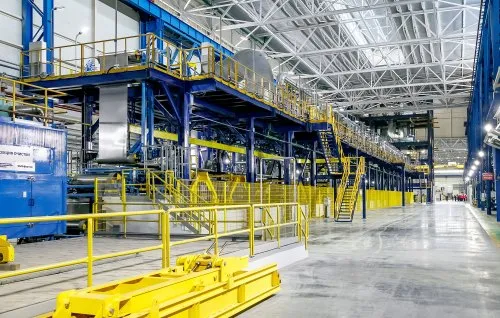
Hot Dip Galvanizing Line Equipment and Automation Systems
Modern steel processing industries rely heavily on advanced coating technologies to ensure durability, corrosion resistance, and long-term performance. Among these technologies, hot dip galvanizing remains one of the most widely used methods for protecting steel against harsh environmental conditions.
The efficiency and consistency of a production system depend greatly on the machinery and control technologies integrated into a hot dip galvanizing line. Today’s systems combine precision equipment with intelligent automation to achieve stable output and high-quality zinc coating results.
Table of Contents
ToggleCore Equipment in a Galvanizing System
A complete galvanizing setup consists of multiple interconnected units, each responsible for a specific stage of the process. These components must operate in harmony to ensure smooth production flow.
Entry and Uncoiling Unit
The process begins with coil handling equipment that feeds steel into the production line. This section includes:
- Coil loading cars
- Uncoilers
- Strip joining machines
Its main function is to ensure continuous and stable feeding of steel strips into the system without interruptions.
Cleaning and Surface Preparation Equipment
Before galvanizing, steel must pass through a series of cleaning machines that remove impurities such as oil, rust, and oxide layers.
Key Equipment Includes:
- Degreasing tanks
- Acid pickling units
- Rinsing systems
- Drying ovens
These machines prepare the steel surface for zinc adhesion, ensuring strong bonding and uniform coating formation.
Furnace System and Heating Equipment
The annealing furnace is one of the most important components in the line. It is responsible for heating steel strips under controlled atmospheric conditions to improve flexibility and surface readiness.
Modern furnace systems include:
- Radiant tube burners
- Temperature zone controllers
- Protective gas systems
- Heat recovery units
These technologies help maintain stable heating conditions while improving energy efficiency.
Zinc Pot and Alloy Control System
The zinc pot contains molten zinc, where the actual coating process takes place. It is equipped with precise temperature control systems and alloy management tools to maintain stable bath conditions.
Key features include:
- Ceramic or steel pot lining
- Heating elements for temperature stability
- Zinc level monitoring systems
- Dross removal mechanisms
Proper control of the zinc bath ensures consistent coating quality and reduces material waste.
Air Knife and Coating Thickness Control
After the steel exits the zinc bath, air knife systems regulate coating thickness by blowing off excess zinc using high-pressure air jets.
Functions of Air Knife Systems:
- Control coating uniformity
- Adjust thickness based on product requirements
- Improve surface smoothness
- Reduce zinc consumption
This equipment plays a major role in achieving precise coating specifications.
Cooling and Finishing Equipment
Once coated, steel passes through cooling systems that stabilize the zinc layer. These systems may include air cooling tunnels or water-based cooling units.
Additional finishing equipment includes:
- Skin pass mills
- Straightening machines
- Oiling systems
- Passivation units
These ensure improved surface quality and corrosion resistance.
Automation Systems in Modern Galvanizing Lines
Automation has become a key feature in modern galvanizing facilities, improving efficiency, safety, and product consistency.
Process Control Systems
Programmable logic controllers (PLCs) manage all production stages, including furnace temperature, strip speed, and zinc bath conditions.
Real-Time Monitoring
Sensors continuously track critical parameters such as:
- Coating thickness
- Temperature levels
- Line speed
- Surface quality
This allows operators to make instant adjustments when needed.
Data Management and Analytics
Advanced systems collect production data for analysis, helping manufacturers:
- Optimize energy usage
- Reduce material waste
- Improve product quality consistency
- Predict maintenance needs
Benefits of Automation Integration
Integrating automation into galvanizing systems provides multiple advantages:
- Higher production efficiency
- Reduced human error
- Consistent coating quality
- Lower operational costs
- Improved safety standards
Automation also allows large-scale continuous production with minimal interruptions.
Importance of Equipment Coordination
Each machine in a galvanizing system must work in perfect synchronization. Any imbalance in speed, temperature, or material flow can affect the final coating quality.
Proper coordination ensures:
- Smooth strip movement through all stages
- Stable thermal conditions
- Consistent zinc coating formation
- Reduced downtime and defects
Conclusion
The performance of a galvanizing system depends heavily on the quality of its equipment and the effectiveness of its automation technologies. From entry units to furnace systems, zinc pots, and cooling equipment, every component plays a vital role in ensuring reliable steel coating production.
A modern hot dip galvanizing line integrates advanced machinery and intelligent control systems to deliver high efficiency, precision, and long-term operational stability, making it essential for industries that require durable and corrosion-resistant steel products.