


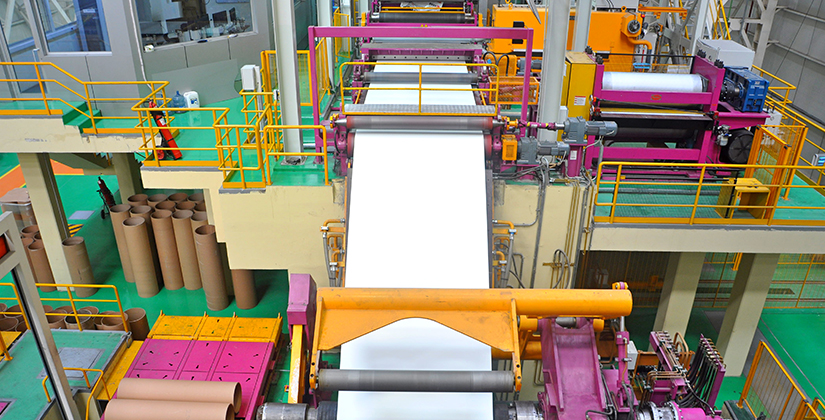
Pretreatment Systems Used in Aluminum Coil Coating Line Operations
In modern metal processing industries, surface preparation is one of the most critical stages that determines the quality and durability of coated aluminum products. Before any paint or protective layer is applied, the aluminum surface must be thoroughly treated to ensure proper adhesion and long-term corrosion resistance. This makes pretreatment systems an essential part of industrial coating technology.
Within a modern aluminum coil coating line, pretreatment systems act as the foundation for all subsequent coating processes. They ensure that contaminants are removed, the surface is chemically stabilized, and the aluminum is fully prepared for high-performance coating applications.
Table of Contents
ToggleImportance of Pretreatment in Coil Coating
Aluminum surfaces naturally form an oxide layer when exposed to air. While this layer provides some protection, it is not sufficient for high-performance industrial coatings. Oils, lubricants, and residues from rolling processes can also interfere with coating adhesion.
Pretreatment solves these issues by:
- Removing surface contaminants
- Improving paint adhesion
- Enhancing corrosion resistance
- Creating a uniform bonding surface
Without proper pretreatment, even the most advanced coating systems can fail prematurely, leading to peeling, discoloration, or corrosion.
Cleaning Stage in Pretreatment Systems
The first step in pretreatment is cleaning, which removes physical and chemical contaminants from the aluminum surface. This stage is essential for ensuring that the coating bonds properly.
Cleaning systems typically include:
Alkaline Cleaning Units
These units use chemical solutions to break down oils, grease, and organic residues. The alkaline solution is sprayed or immersed onto the aluminum strip for thorough cleaning.
Mechanical Brushing Systems
Soft rotating brushes are used to remove stubborn particles and improve surface uniformity. This ensures that the aluminum is free from imperfections before further treatment.
Rinsing Sections
After cleaning, multiple rinsing stages remove any remaining chemical residues. Clean water rinsing helps prepare the surface for the next chemical treatment phase.
Chemical Conversion Coating Process
After cleaning, the aluminum undergoes a chemical conversion coating process. This step creates a thin, protective layer that improves adhesion and corrosion resistance.
Common types of conversion coatings include:
- Chromate-based coatings (less common due to environmental concerns)
- Chrome-free conversion coatings
- Zirconium or titanium-based coatings
Modern manufacturing plants increasingly use eco-friendly, chrome-free solutions to meet environmental regulations while maintaining strong performance.
This layer acts as a bridge between the metal surface and the paint system, ensuring long-term durability.
Drying and Surface Stabilization
Once chemical treatment is complete, the aluminum strip must be properly dried before coating application begins. Drying systems use controlled air temperature and airflow to remove moisture without damaging the treated surface.
Proper drying ensures:
- No water residue remains on the surface
- Stable chemical bonding layer is maintained
- Reduced risk of coating defects
Any remaining moisture can cause blistering or uneven coating during the painting stage, making this step highly important.
Role of Pretreatment in an Aluminum Coil Coating Line
In a fully automated production environment, pretreatment systems are integrated directly into the continuous processing line. This ensures that the aluminum strip moves seamlessly from cleaning to coating without contamination exposure.
The efficiency of an aluminum coil coating line depends heavily on the performance of its pretreatment section. A well-designed system ensures:
- Consistent surface quality across large production volumes
- Reduced coating failures and rework
- Improved production efficiency
- Lower operational costs
Because of these benefits, manufacturers invest heavily in advanced pretreatment technologies.
Environmental Considerations in Pretreatment
Modern industries are increasingly focused on sustainable manufacturing practices. Pretreatment systems have evolved to reduce environmental impact while maintaining high performance.
Key environmental improvements include:
- Use of chrome-free chemical solutions
- Reduced water consumption through recycling systems
- Lower chemical discharge levels
- Energy-efficient drying systems
These advancements help manufacturers comply with environmental regulations while maintaining production efficiency.
Quality Control in Pretreatment Processes
Maintaining consistent quality in pretreatment is essential for achieving reliable coating results. Modern systems are equipped with monitoring tools that track chemical concentration, temperature, and surface conditions in real time.
Quality control measures often include:
- Automated chemical dosing systems
- pH level monitoring
- Surface cleanliness testing
- Continuous process feedback loops
These systems ensure that every aluminum strip meets strict quality standards before entering the coating stage.
Common Issues in Pretreatment and Their Solutions
Even advanced systems can face operational challenges if not properly maintained. Some common issues include:
- Uneven cleaning due to improper spray pressure
- Chemical imbalance in treatment solutions
- Incomplete rinsing causing residue buildup
- Drying inefficiencies leading to moisture retention
These issues can be minimized through regular maintenance, proper system calibration, and automated monitoring technologies.
Conclusion
Pretreatment systems are a vital component of modern aluminum processing, ensuring that surfaces are properly prepared for high-quality coating applications. By removing contaminants, enhancing adhesion, and improving corrosion resistance, these systems lay the foundation for durable and long-lasting coated products.
Within an advanced aluminum coil coating line, pretreatment technology plays a central role in ensuring consistent performance and production efficiency. As industries continue to demand higher quality and more sustainable manufacturing processes, pretreatment systems will remain a key focus in the evolution of coil coating technology.