


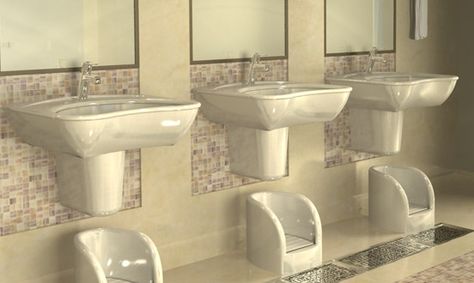
The Growing Popularity of Ergonomic Muslim Basin Designs
Modern mosque and public facility design is evolving rapidly, with greater emphasis on user comfort, accessibility, and hygiene. Ablution areas, once designed purely for function, are now being rethought to improve the overall experience for worshippers. This shift has led to increasing demand for more thoughtful and human-centered design approaches.
A modern Muslim Basin reflects this trend by offering ergonomic features that improve posture, accessibility, and ease of use, making ablution more comfortable for people of all ages in busy public environments. At the same time, for businesses involved in export marketing, promoting ergonomic innovations helps attract international buyers who are actively seeking user-friendly and modern infrastructure solutions for mosque and public facility projects.
Table of Contents
ToggleRising Demand for User-Centered Design
One of the main reasons ergonomic basin designs are gaining popularity is the growing focus on user experience in public spaces.
Key drivers include:
- Increased awareness of accessibility needs
- Demand for comfort in religious facilities
- Higher expectations for modern infrastructure
- Focus on inclusive design for all age groups
This has made ergonomic planning a priority in new mosque developments.
Improved Comfort for All Age Groups
Ergonomic designs are particularly beneficial for elderly users, children, and individuals with mobility challenges.
Comfort benefits include:
- Reduced strain during washing
- Proper height alignment for easy access
- Comfortable posture support
- Easier reach to water outlets
These features ensure a more inclusive ablution experience.
Better Accessibility in Public Spaces
Accessibility is now a key requirement in modern facility design, especially in high-traffic religious spaces.
Important improvements include:
- Wider spacing between basin units
- Easy movement for wheelchair users
- Clear and organized layout planning
- Reduced physical barriers in use
This improves usability for all visitors.
Enhanced Hygiene Through Better Design
Ergonomic Muslim basin systems also contribute to better hygiene in ablution areas.
Hygiene advantages include:
- Reduced water splashing
- Easy-to-clean surfaces
- Smooth, seamless construction
- Better drainage flow
These features help maintain a clean and safe environment.
Space Efficiency in Modern Mosques
As urban mosques become more compact, space optimization is essential.
Design solutions include:
- Linear multi-user configurations
- Wall-aligned installations
- Compact ergonomic structures
- Efficient user flow layouts
These designs maximize usability in limited spaces.
Durability and Long-Term Performance
Modern ergonomic basins are designed to withstand heavy daily use in public environments.
Durability features include:
- Strong resistance to wear and impact
- Long-lasting solid surface materials
- Low maintenance requirements
- Stable performance in high-traffic areas
This ensures long-term reliability for facility managers.
Increasing Global Market Demand
From a business perspective, ergonomic designs are gaining strong attention in international markets.
Export opportunities include:
- Growing mosque construction projects worldwide
- Demand for modern and accessible ablution systems
- Preference for durable and user-friendly solutions
- Expansion in public infrastructure development
This creates strong potential for global suppliers.
Conclusion
The growing popularity of ergonomic Muslim basin designs reflects a broader shift toward comfort, accessibility, and user-centered planning in modern mosque and public facilities. These improvements enhance both functionality and user experience.
At the same time, rising global demand presents strong export opportunities. By focusing on ergonomic design and practical benefits, businesses can effectively serve international markets and support modern religious infrastructure development worldwide.