


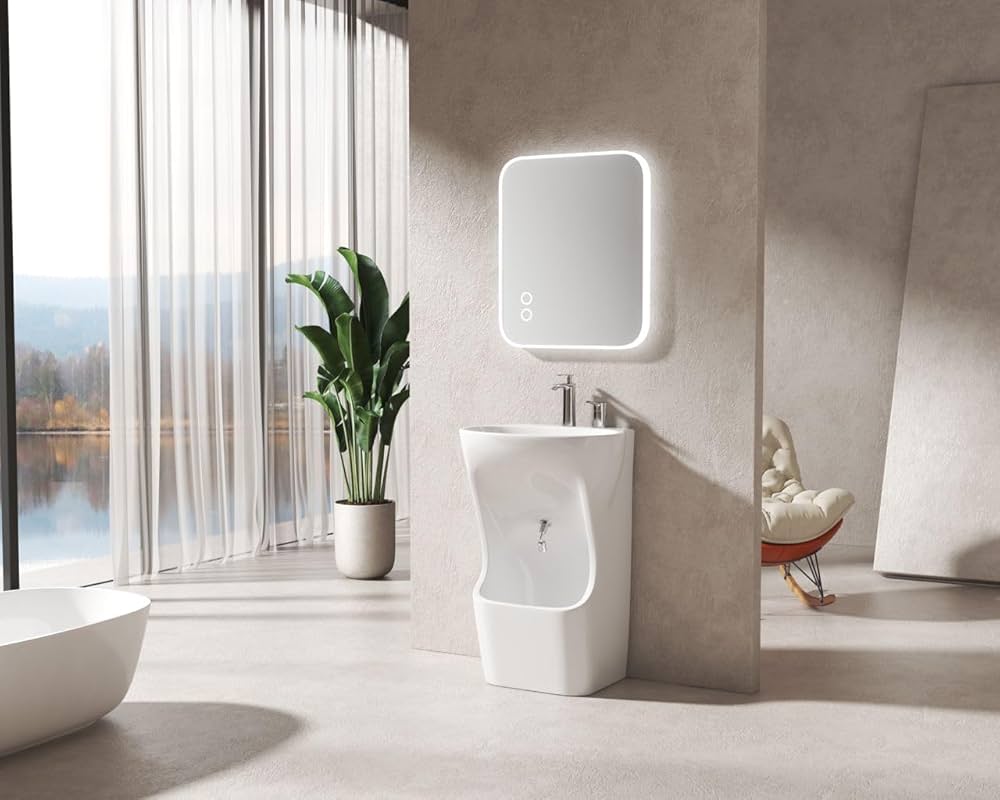
How Muslim Basins Improve Accessibility for Worshippers
Modern mosques, airports, schools, and public facilities are designed to accommodate diverse user needs, including elderly individuals, children, and people with limited mobility. In this context, the Muslim Basin plays an essential role in ensuring that ablution (Wudu) can be performed comfortably, safely, and independently by all worshippers.
As global infrastructure standards continue to evolve, accessibility has become a key priority in ablution area design. A well-designed Muslim Basin helps create inclusive spaces that support ease of use, hygiene, and dignity for every user.
Table of Contents
ToggleThe Importance of Accessibility in Ablution Areas
Accessibility ensures that all individuals can perform Wudu without difficulty. Poorly designed facilities can create barriers for users with physical limitations or reduced mobility.
Accessible design helps:
- Support independent use for elderly worshippers
- Improve safety for children and vulnerable users
- Reduce physical strain during ablution
- Enhance overall user experience in public spaces
This makes accessibility a core requirement in modern facility planning.
Ergonomic Design for Easier Use
Ergonomic design is one of the most important factors in improving accessibility. It ensures that users can comfortably reach and operate basin components.
Key ergonomic features include:
- Optimized basin height for standing or seated users
- Easy access to water outlets
- Comfortable spacing between units
- Smooth edges to reduce injury risk
These features make ablution easier for all users.
Support for Elderly Worshippers
Elderly users often require additional comfort and stability when performing Wudu. Modern Muslim Basins are designed with their needs in mind.
Accessibility improvements include:
- Reduced bending requirements
- Stable and supportive washing positions
- Easy-to-use tap controls
- Non-slip surrounding flooring compatibility
These features help ensure safe and independent use.
Inclusive Design for Children and Families
Children also benefit from well-designed ablution facilities. Proper basin design encourages safe learning and independent practice.
Benefits include:
- Accessible height options
- Safe, rounded basin edges
- Simple water control systems
- Clearly defined washing areas
This supports family-friendly facility environments.
Multi-User Layouts for Efficient Flow
Accessibility is not only about physical design but also about reducing congestion and improving flow in busy areas.
Modern systems offer:
- Multi-user washing stations
- Organized queue management layouts
- Adequate spacing for movement
- Reduced waiting times during peak hours
This improves usability for all worshippers.
Hygiene and Accessibility Connection
Cleanliness plays a major role in accessibility. Users are more comfortable using well-maintained and hygienic facilities.
Hygienic features include:
- Non-porous surfaces that resist bacteria
- Seamless construction for easy cleaning
- Efficient drainage systems
- Reduced water accumulation
These features create a safer environment for everyone.
Safety Features That Support Accessibility
Safety is closely linked to accessibility, especially in wet environments where slipping risks are higher.
Key safety elements include:
- Anti-slip flooring around basin areas
- Controlled water flow to prevent splashing
- Rounded edges for injury prevention
- Proper lighting in ablution zones
These features reduce risks and improve user confidence.
Space Design for Easy Movement
Proper spatial planning ensures that users can move freely and comfortably within ablution areas.
Space optimization includes:
- Wide walking paths between basins
- Clear separation of wet and dry zones
- Logical user flow direction
- Avoidance of overcrowded layouts
This improves accessibility in high-traffic environments.
Material Quality Supporting Accessibility
Durable and smooth materials enhance accessibility by providing safe and comfortable surfaces.
Solid surface materials offer:
- Smooth and skin-friendly texture
- Long-term structural stability
- Easy cleaning for hygienic use
- Resistance to wear and damage
These features support consistent usability over time.
Global Demand for Accessible Ablution Solutions
For exporters, accessibility-focused Muslim Basins are in high demand across international markets. Inclusive design is becoming a standard requirement in modern infrastructure projects.
Key opportunities include:
- Mosque construction and renovation projects
- Public infrastructure developments
- Educational institutions and universities
- Commercial and hospitality facilities
This creates strong global market potential.
Conclusion
Muslim Basins play a vital role in improving accessibility for worshippers by supporting ergonomic design, safety, hygiene, and ease of use. These features ensure that all individuals, regardless of age or ability, can perform ablution comfortably and independently.
For manufacturers and exporters, accessibility is a key competitive advantage in global markets. A Wudu Sink from KingKonree Solid Surface demonstrates how modern design can create inclusive, efficient, and user-friendly ablution facilities that meet the needs of diverse communities worldwide.