


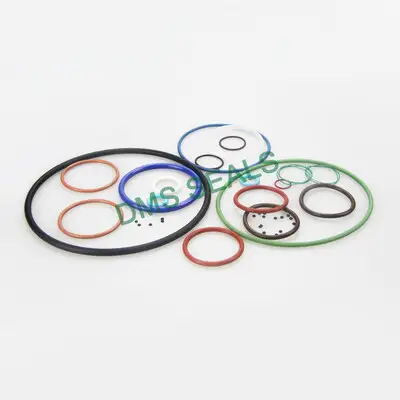
Custom O-Ring Solutions: What to Expect from a Specialized Supplier
O-rings are widely used in industrial sealing applications to prevent the leakage of liquids and gases under different operating conditions. While standard O-ring sizes and materials are suitable for many applications, certain types of machinery require customized sealing components. Unique dimensions, specialized materials, unusual pressure conditions, and exposure to aggressive chemicals can make standard products unsuitable for specific industrial requirements.
Working with a specialized O-Ring Supplier can help businesses identify sealing solutions that match their equipment specifications. A supplier with relevant technical knowledge can assist with material selection, dimensional requirements, custom manufacturing, and quality verification. Understanding what to expect from this process helps businesses make informed decisions and obtain components designed for their intended applications.
Why Do Businesses Need Custom O-Ring Solutions?
Standard O-rings are manufactured in commonly used dimensions and materials. However, industrial equipment does not always follow standard specifications. Specialized machinery, older equipment, and demanding operating environments may require sealing components with particular characteristics.
Custom O-rings can address requirements such as:
- Non-standard inside diameters and cross-sectional dimensions.
- Specific elastomer compounds.
- Unusual temperature or pressure conditions.
- Resistance to particular chemicals and industrial fluids.
- Specialized hardness and compression characteristics.
- Unique equipment designs and sealing configurations.
Instead of modifying equipment to accommodate an unsuitable standard seal, businesses may choose a custom component that meets the original design requirements.
Detailed Assessment of Application Requirements
A specialized supplier should begin by understanding the conditions in which the O-ring will operate. This assessment is important because a seal that performs well in one environment may fail when exposed to different temperatures, chemicals, or mechanical forces.
Several factors typically influence the selection process.
Operating Temperature
Temperature affects the flexibility, elasticity, and physical stability of elastomer materials. Some applications involve continuous heat, while others experience significant temperature fluctuations.
The supplier should understand the expected minimum and maximum operating temperatures before recommending a material.
Pressure Conditions
Pressure levels influence the mechanical demands placed on an O-ring. Applications involving higher pressures may require additional consideration of material hardness, gland design, and extrusion resistance.
The complete system design should be evaluated rather than selecting a seal based on pressure ratings alone.
Chemical Exposure
Industrial seals may come into contact with oils, fuels, solvents, acids, cleaning agents, and other substances.
A specialized supplier should consider the chemical composition, concentration, temperature, and duration of exposure when assessing material compatibility.
Static and Dynamic Applications
Static O-rings remain compressed between stationary surfaces, whereas dynamic O-rings operate in systems involving movement.
Dynamic applications introduce additional considerations, including friction, wear, lubrication, and surface finish. These differences can influence both material selection and seal design.
Access to a Wide Range of Custom Materials
Material selection is one of the most important aspects of custom O-ring manufacturing. A specialized supplier should understand the characteristics and limitations of different elastomers and sealing materials.
Some commonly considered options include:
Nitrile Rubber (NBR): Suitable for many applications involving petroleum-based oils and fuels. It is widely used in hydraulic equipment and automotive systems.
Fluorocarbon (FKM): Often selected for applications requiring resistance to elevated temperatures, oils, fuels, and various chemicals.
EPDM: Offers good resistance to water, steam, ozone, and weathering. It is commonly used in water-related and outdoor applications.
Silicone (VMQ): Provides flexibility across a broad temperature range and is used in specialized industrial and food-processing applications.
Hydrogenated Nitrile Butadiene Rubber (HNBR): Offers improved heat, mechanical, and aging resistance compared with conventional NBR in many applications.
PTFE: Provides excellent chemical resistance and low friction, although its mechanical behavior differs from conventional elastomers.
A specialized supplier should help identify the material that meets the application’s actual requirements rather than recommending products based on general characteristics alone.
Custom Dimensions and Design Specifications
Dimensional accuracy is essential for effective O-ring performance. An incorrect inside diameter, cross-sectional thickness, or tolerance can affect compression and sealing contact.
Custom manufacturing may involve:
- Non-standard inside and outside diameters.
- Specialized cross-sectional dimensions.
- Custom-molded shapes and profiles.
- Particular dimensional tolerances.
- Design adjustments for specialized equipment.
Customers may provide technical drawings, existing component samples, or detailed measurements to help define the required specifications.
For more complex applications, the supplier may also review gland dimensions and installation conditions to ensure the proposed seal is compatible with the equipment design.
Manufacturing Processes and Production Capabilities
Custom O-rings can be produced through different manufacturing methods depending on their dimensions, material, geometry, and required production quantities.
Compression Molding
Compression molding involves placing a measured amount of rubber compound into a heated mold. Pressure and heat are used to shape and cure the material.
This method is commonly used for producing molded rubber components in different sizes and configurations.
Injection Molding
Injection molding involves introducing rubber material into a heated mold cavity under controlled conditions.
It can be suitable for production environments requiring consistent molded components and efficient manufacturing processes.
Extrusion and Splicing
Some larger sealing requirements can be addressed using extruded rubber profiles that are cut to length and joined to form a continuous ring.
The suitability of this approach depends on the application, required joint strength, and operating conditions.
A specialized supplier should explain which manufacturing method is appropriate for the required component and production volume.
Quality Control and Product Testing
Custom sealing components must meet their intended specifications consistently. Quality control is particularly important because manufacturing variations can affect dimensions, material properties, and sealing performance.
Before approving a custom order, businesses should understand the supplier’s inspection and testing procedures.
Important quality checks may include:
- Dimensional measurements and tolerance verification.
- Hardness testing using appropriate methods.
- Tensile strength and elongation testing.
- Visual inspection for surface imperfections.
- Material batch identification and traceability.
- Verification against approved technical specifications.
Depending on the application, customers may also require material certificates, inspection reports, or compliance documentation.
Prototyping and Sample Approval
For specialized applications, producing and reviewing samples before beginning full-scale manufacturing can help reduce the risk of costly mistakes.
A prototype or initial sample allows customers to evaluate whether the proposed dimensions, material, and design are appropriate for their equipment.
The approval process may include:
- Reviewing the technical drawings and specifications.
- Confirming the proposed material and hardness.
- Manufacturing an initial sample.
- Checking dimensional accuracy.
- Evaluating installation and application suitability.
- Approving the specifications for production.
This process is particularly useful when developing seals for new equipment or replacing components that are no longer commercially available.
Technical Documentation and Compliance Requirements
Professional custom manufacturing involves more than delivering the finished component. Accurate documentation helps businesses verify that the supplied O-rings meet their purchasing and application requirements.
Depending on the project, relevant documentation may include material datasheets, dimensional inspection reports, batch information, and certificates of conformity.
Industries with specialized regulatory requirements may also need specific material approvals or testing records.
Customers should communicate these requirements before production begins to ensure that the supplier can provide the necessary documentation.
Delivery Planning and Ongoing Supply Support
Custom O-ring production may involve longer lead times than purchasing standard products. Material sourcing, mold preparation, manufacturing schedules, inspection, and sample approval can all influence delivery timelines.
A reliable supplier should communicate realistic production schedules and provide updates when necessary.
For businesses with recurring requirements, it is also useful to discuss repeat-order arrangements, inventory planning, minimum order quantities, and the availability of previously approved specifications.
These arrangements can make future procurement more predictable and reduce delays when replacement components are needed.
Questions to Ask Before Choosing a Specialized O-Ring Supplier
Before placing a custom manufacturing order, businesses should evaluate the supplier’s technical and production capabilities.
Consider asking the following questions:
- Can you manufacture O-rings according to custom drawings and dimensions?
- Which elastomer materials are available?
- Can you recommend materials based on specific chemical and temperature conditions?
- What manufacturing and inspection procedures do you follow?
- Are samples available for evaluation before bulk production?
- Can you provide material documentation and inspection reports?
- What are the expected production lead times?
- Can you support repeat orders using previously approved specifications?
Clear answers to these questions help establish realistic expectations and reduce the possibility of misunderstandings during production.
Conclusion
Custom O-ring solutions are important for industrial applications where standard sealing components cannot meet specific equipment requirements. From specialized materials and non-standard dimensions to manufacturing methods and quality testing, every stage of the process contributes to the final component’s suitability.
A specialized supplier should offer more than custom manufacturing capabilities. Technical guidance, accurate production specifications, consistent quality control, and dependable delivery planning are equally important.
By evaluating these factors before placing an order, businesses can source sealing components that better match their operating conditions, reduce the risk of premature failure, and support the reliable performance of their industrial equipment.