


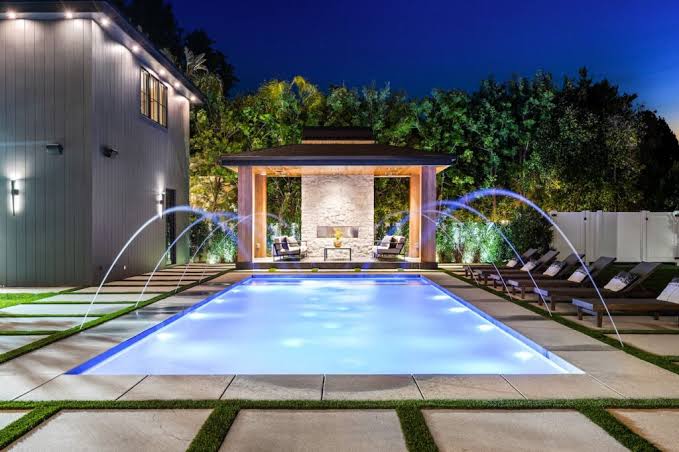
Common Mistakes to Avoid When Planning a Custom Swimming Pool
Planning a swimming pool is an exciting project that can improve an outdoor space and provide a place for exercise, relaxation, and family recreation. However, building a pool requires careful decisions about design, construction, safety, maintenance, and long-term costs. Overlooking important details during the planning stage can lead to unexpected expenses, limited functionality, or problems that are difficult to correct later.
A well-planned Custom Swimming Pool should suit the property’s layout, the homeowner’s lifestyle, and the available budget. Understanding common planning mistakes can help homeowners make informed choices, communicate more effectively with contractors, and create a swimming environment that remains practical and enjoyable for years.
1. Failing to Establish a Realistic Budget
One of the most common mistakes is focusing only on the initial cost of pool construction. Although the pool itself is a major expense, the complete project may also include excavation, site preparation, decking, landscaping, electrical work, plumbing, fencing, lighting, and filtration equipment.
Additional expenses can arise if the property has difficult soil conditions, restricted access, a sloping yard, or drainage challenges. Permits, inspections, and professional design services may also affect the overall budget.
Before construction begins, prepare a detailed estimate that covers both essential work and optional features. It is also sensible to reserve a contingency fund for unexpected site conditions or changes that become necessary during construction.
Consider ongoing expenses such as electricity, water, cleaning supplies, servicing, and equipment replacement. A realistic budget accounts for the full cost of ownership rather than simply the amount needed to build the pool.
2. Choosing the Wrong Pool Size or Shape
A pool that looks impressive in a design image may not be suitable for every property. Selecting a size or shape without considering the available space can leave too little room for seating, pathways, landscaping, and other outdoor activities.
The right dimensions depend on how the pool will be used. Families who want a space for casual recreation may need a different layout from homeowners who prioritize swimming exercise or entertaining guests.
Before finalizing the design, measure the yard and consider the position of the house, trees, utility lines, existing structures, and property boundaries. Think about how people will move between the pool, garden, and home.
The pool should complement the outdoor space rather than dominate it. A carefully planned layout can provide sufficient swimming room while preserving useful areas for relaxation and everyday activities.
3. Ignoring Site Conditions and Soil Quality
The condition of the building site can significantly influence pool construction. Soil composition, groundwater levels, slopes, drainage patterns, and access for construction machinery may affect the design and installation process.
For example, unstable soil may require additional engineering, while a high water table can create challenges during excavation and construction. Poor surface drainage can also cause water to collect around the pool or nearby structures.
A common mistake is assuming that the yard is suitable for construction without a proper assessment. Depending on the location and project, professional site evaluations, soil testing, or engineering advice may be necessary.
Identify potential problems before selecting the final pool design. Early assessment can help prevent costly modifications and support a safer, more durable installation.
4. Overlooking Local Permits and Building Regulations
Pool construction often involves local requirements covering permits, setbacks, fencing, electrical installations, drainage, and safety barriers. Failing to understand these requirements before construction can delay the project or require expensive changes.
Regulations vary according to location, pool type, and property characteristics. Requirements may also apply to access gates, barrier heights, alarms, and the placement of equipment.
Contact the relevant local authority or a qualified professional to determine which approvals are needed. Confirm any restrictions related to property boundaries, underground services, and easements before excavation begins.
Keeping permit documents, approved plans, inspection records, and contractor agreements organized can make the construction process easier to manage.
5. Prioritizing Appearance Over Functionality
Visual appeal is important, but a pool should also be comfortable and practical to use. Choosing a design solely because it looks attractive can result in insufficient swimming space, awkward entry points, inconvenient steps, or limited room for poolside activities.
Consider who will use the pool and what they need from it. Children, adults, older family members, and guests may have different requirements for entry, seating, water depth, and circulation space.
Think about how the pool will function during everyday use rather than only how it will appear in photographs. Practical features such as well-positioned steps, clear walking routes, and convenient access to equipment can improve the overall experience.
A successful design balances appearance with usability, accessibility, and maintenance needs.
6. Selecting Unsuitable Pool Equipment
Pumps, filters, sanitizing systems, heaters, and circulation components play an essential role in keeping pool water clean and comfortable. Choosing equipment based only on price or appearance can lead to inefficient operation and unnecessary maintenance.
Equipment should be appropriate for the pool’s volume, intended use, plumbing configuration, and any additional features. A pump that is poorly matched to the system may waste energy or fail to provide suitable circulation. An undersized or unsuitable filtration system may struggle to maintain water quality.
Ask a qualified pool professional to recommend compatible equipment and explain its operating requirements. Consider energy consumption, noise levels, service access, replacement parts, and warranty coverage.
Planning for equipment efficiency at the beginning can help reduce operating expenses and make routine care more manageable.
7. Underestimating Drainage and Water Management
Drainage is easy to overlook when attention is focused on the pool’s appearance and features. However, poorly managed water can damage surrounding surfaces, affect nearby foundations, erode soil, and create slippery areas.
The design should account for rainfall, surface runoff, pool overflow where applicable, and water used during cleaning or maintenance. Pool decking should be graded appropriately so water flows toward suitable drainage points rather than toward the house.
Properties with steep slopes or challenging soil conditions may need additional drainage measures designed by a qualified professional.
Plan drainage before installing paving, garden beds, and outdoor structures. Correcting drainage problems after construction can be disruptive and expensive, so early coordination is essential.
8. Forgetting About Safety Features
Pool safety should be part of the original design rather than an addition considered after construction. Important features may include compliant barriers, secure gates, appropriate lighting, slip-resistant surfaces, and safe entry and exit points.
The specific requirements depend on local regulations and the type of pool. Homeowners should verify the rules that apply to their property before construction begins.
Avoid creating narrow walkways, obstructing access routes, or placing landscaping where it blocks supervision. Steps, changes in elevation, and wet areas should be easy to identify and navigate.
For households with children, secure barriers and active adult supervision are especially important. No single safety feature eliminates every risk, so a comprehensive approach is necessary.
9. Not Planning for Long-Term Maintenance
A swimming pool requires regular care to maintain water quality, protect equipment, and preserve the surrounding structure. Homeowners who ignore maintenance requirements during planning may later find that the pool demands more time or money than expected.
Different pool finishes, filtration systems, sanitizing methods, and accessories have different care requirements. Some landscaping choices can also increase cleaning work by allowing leaves, pollen, and other debris to enter the water.
When comparing designs, ask how frequently the pool will need cleaning, water testing, chemical adjustments, and equipment servicing. Confirm which components require periodic replacement and whether replacement parts are readily available.
Designing convenient access to filters, pumps, valves, and other service points can make routine maintenance easier. A practical layout can save time throughout the pool’s lifespan.
10. Adding Too Many Features at Once
Waterfalls, fountains, heating systems, elaborate lighting, automated controls, and built-in seating can make a pool more versatile. However, adding too many features without a clear plan may increase construction costs, equipment complexity, and ongoing maintenance.
Each feature should serve a specific purpose. A heating system may be worthwhile for extending seasonal use, while underwater lighting may be valuable for evening swimming. Decorative water features, on the other hand, may require additional pumps and increase water loss through splashing or evaporation.
Prioritize features according to your lifestyle and budget. Discuss their installation requirements with the pool designer before finalizing the plumbing, electrical system, and structural plans.
If necessary, divide the project into stages. Some features may be easier to add later, while others require connections or structural provisions that should be planned during initial construction.
11. Neglecting Energy Efficiency
Pool equipment can contribute significantly to ongoing household energy consumption. Selecting equipment without considering efficiency may result in higher utility bills over time.
Energy-efficient pumps, suitable filtration systems, effective covers, and well-planned heating solutions can help control operating costs. The best combination depends on the climate, pool size, frequency of use, and desired water temperature.
A pool cover can reduce evaporation and heat loss when the pool is not in use. Variable-speed pumps may also reduce electricity consumption when appropriately selected and configured for the circulation system.
Ask contractors to explain the expected operating requirements of different equipment options. Comparing estimated running costs, rather than only purchase prices, provides a more complete basis for decision-making.
12. Choosing Materials Without Considering the Climate
Pool finishes, decking, coping, and surrounding structures are exposed to sunlight, moisture, temperature changes, and pool chemicals. Materials that perform well in one environment may not be suitable for another.
For example, some paving surfaces become uncomfortably hot in direct sunlight, while certain materials may be vulnerable to frost, staining, or chemical exposure. Finishes also differ in texture, cleaning requirements, and repair options.
Consider local weather conditions and how the pool area will be used throughout the year. Ask suppliers or contractors about durability, slip resistance, heat retention, and maintenance requirements.
Selecting suitable materials from the beginning can help preserve the pool’s appearance and reduce the likelihood of premature repairs.
13. Failing to Consider Privacy and Sunlight
The position of a swimming pool affects both privacy and comfort. A pool located directly in view of neighboring windows may feel exposed, while a heavily shaded area may not receive the sunlight desired for outdoor recreation.
Observe the yard at different times of day before deciding on the final layout. Consider the location of nearby buildings, fences, mature trees, and potential future landscaping.
Privacy can be improved through carefully positioned shrubs, hedges, screens, or pergolas. However, these elements should not obstruct supervision, interfere with safety barriers, or create excessive debris near the water.
Balancing sunlight, privacy, and visibility helps create an outdoor environment that is comfortable and practical.
14. Hiring a Contractor Without Thorough Research
The contractor plays a major role in determining the quality and reliability of the finished pool. Selecting a provider solely because of a low quotation can expose homeowners to unclear agreements, incomplete work, or unexpected additional charges.
Before making a decision, review relevant experience, references, previous projects, licensing requirements, insurance, and warranty terms where applicable. Ask for a written proposal that explains the scope of work, materials, equipment, payment schedule, and expected timeline.
Clarify who is responsible for permits, inspections, excavation, plumbing, electrical work, landscaping, and final cleanup. If several specialists are involved, confirm how their work will be coordinated.
A detailed agreement and clear communication can reduce misunderstandings and make it easier to track progress throughout the project.
15. Making Last-Minute Design Changes
Changes during construction can disrupt schedules, increase labor costs, and require already completed work to be modified. Even a seemingly small adjustment to the pool’s dimensions or location may affect plumbing, electrical connections, structural requirements, and surrounding surfaces.
Some changes are unavoidable when unexpected site conditions appear. However, many can be minimized by reviewing the design carefully before work begins.
Confirm the pool dimensions, depth, finish, steps, equipment location, lighting, and surrounding layout in the approved plans. Discuss how optional features will be integrated and identify decisions that must be finalized before excavation.
Maintain written records of approved changes and any associated cost or schedule adjustments. A clear design process helps keep the project organized and reduces avoidable delays.
16. Ignoring Future Needs and Property Use
A pool should meet current needs while remaining suitable as household routines change. A layout designed only for occasional entertaining, for example, may not work as well if the pool will later be used regularly for exercise or family recreation.
Think about how many people are likely to use the pool, whether accessibility needs may change, and how much outdoor space should remain available for gardening or other activities.
Consider future maintenance access, equipment replacement, and the possibility of upgrading selected features. Leave enough room for safe movement and avoid making every part of the yard dependent on the pool.
Planning with future use in mind can help prevent the need for major alterations later.
Conclusion
Planning a swimming pool involves much more than choosing its shape and appearance. Budgeting, site assessment, permits, equipment selection, drainage, safety, and maintenance all influence the quality and long-term value of the finished project.
Avoiding common mistakes begins with careful preparation and informed decision-making. Homeowners should establish realistic priorities, assess the property, compare suitable materials and equipment, and work with qualified professionals before construction starts.
By addressing practical requirements alongside design preferences, it is possible to create a swimming pool that complements the property, supports everyday recreation, and remains manageable over time.