


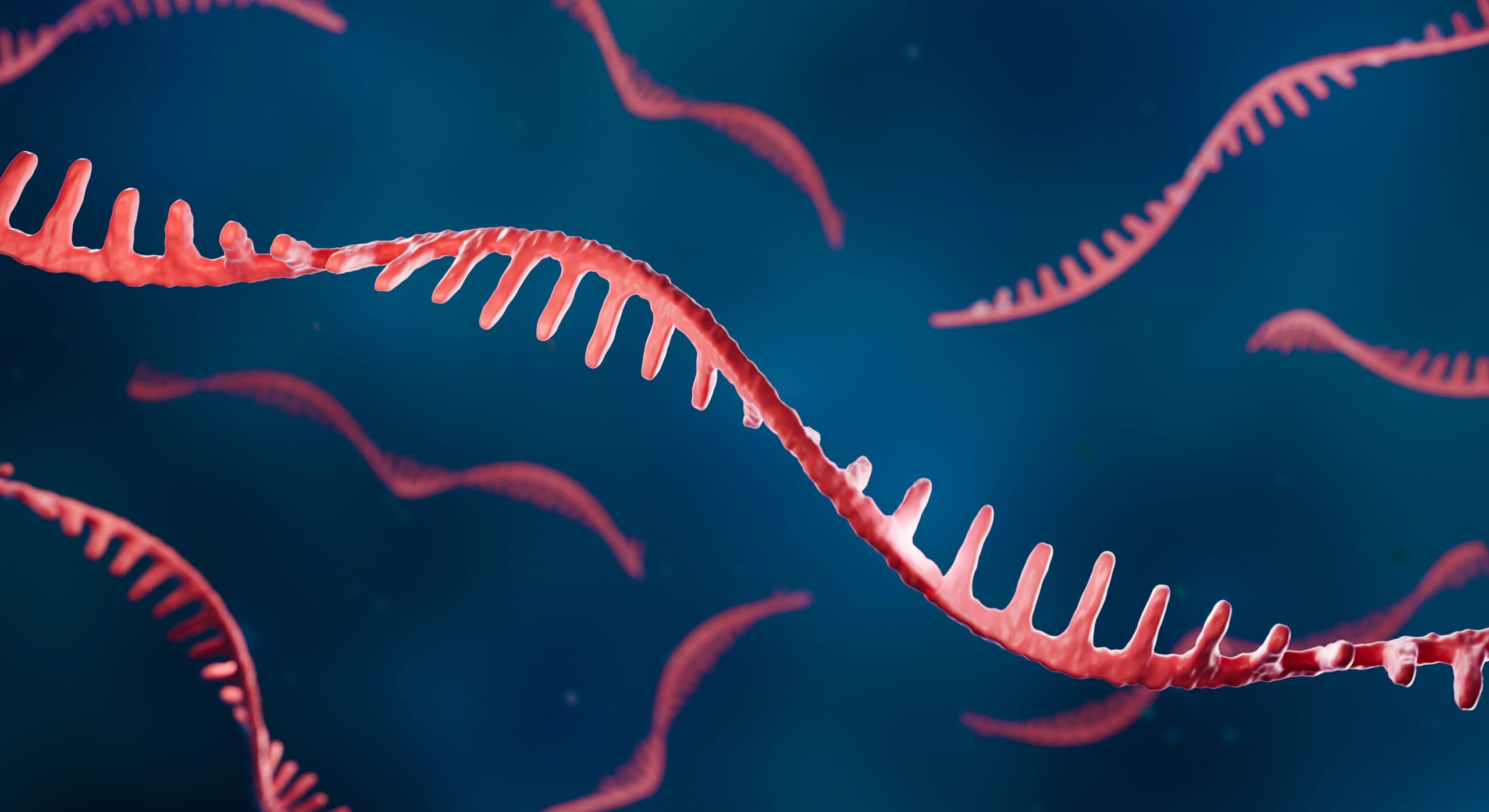
Benefits of Using a Non-Toxic RNA Extraction Kit for Safer Laboratory Workflows
RNA extraction is a routine but essential procedure in molecular biology laboratories. It provides purified RNA for applications such as reverse transcription PCR, quantitative PCR, RNA sequencing, and gene expression analysis. Although obtaining high-quality RNA is the primary objective, laboratories must also consider the safety of the reagents used during sample preparation.
Traditional RNA purification methods may involve hazardous chemicals, including phenol and chloroform. These substances require careful handling, appropriate protective equipment, and specialized waste disposal procedures. As laboratories seek to improve workplace safety and streamline routine operations, extraction systems designed to reduce hazardous chemical exposure have become increasingly relevant.
Using a Non-Toxic Rna Extraction Kit may help laboratories establish safer and more convenient purification workflows. However, the term “non-toxic” should be interpreted carefully because no extraction kit should automatically be considered harmless. Researchers need to evaluate the complete reagent composition, safety documentation, and handling requirements before selecting a product.
What Is a Non-Toxic RNA Extraction Kit?
A non-toxic RNA extraction kit generally refers to a purification system designed to avoid or reduce the use of highly hazardous extraction chemicals. Many alternatives to traditional organic extraction rely on solid-phase purification technologies, such as silica membranes or magnetic beads.
These systems typically use a sequence of steps to release RNA from biological material, capture the target molecules, remove contaminants, and recover purified RNA.
Common components and technologies include:
- Lysis buffers: Disrupt cells and release RNA while helping inactivate RNases.
- Silica membranes: Bind RNA under specific chemical conditions.
- Magnetic beads: Capture RNA and allow separation using a magnetic field.
- Wash buffers: Remove proteins, salts, and other contaminants.
- Elution solutions: Release purified RNA for downstream applications.
Although these methods can avoid phenol-based extraction, some reagents may still contain chaotropic salts, alcohols, or other chemicals that require protective measures. The Safety Data Sheet should always guide laboratory handling.
Why Laboratory Safety Matters During RNA Extraction
RNA extraction involves repeated handling of chemical reagents, biological samples, and potentially contaminated materials. Without suitable precautions, laboratory personnel may be exposed to chemical hazards or biological risks.
Traditional phenol-chloroform extraction is effective but requires particular attention to chemical exposure, spills, ventilation, and waste management.
Phenol can cause serious skin and eye injuries, while chloroform presents additional health hazards. Their use requires appropriate controls and procedures.
Reducing dependence on these substances can help laboratories simplify certain safety requirements. This is especially relevant in facilities that perform RNA extraction frequently or process many samples each day.
Key Benefits of Using a Safer RNA Extraction Kit
1. Reduced Exposure to Hazardous Organic Chemicals
One important advantage of extraction systems that avoid phenol and chloroform is the reduction of exposure to these specific chemicals.
Laboratory personnel may handle multiple reagents during a typical extraction workflow. Removing particularly hazardous organic solvents from the procedure can reduce one source of chemical risk.
However, all remaining reagents must still be assessed individually. A product should not be treated as safe for unrestricted handling simply because it is described as non-toxic or phenol-free.
2. More Convenient Laboratory Handling
Traditional organic extraction may involve phase separation, careful transfer of aqueous layers, and additional purification steps.
Many column-based and magnetic bead-based systems provide more standardized procedures. This can make routine sample processing easier to organize and reduce the number of manual operations.
A simpler workflow may also help laboratories train new personnel and maintain consistent procedures across different operators.
3. Reduced Complexity in Chemical Waste Management
Phenol- and chloroform-containing waste requires appropriate segregation and disposal according to institutional and local regulations.
Extraction methods that avoid these chemicals can reduce the amount of specialized organic solvent waste generated during routine RNA purification.
This does not eliminate chemical waste. Used buffers, alcohol-containing solutions, and other reagents must still be disposed of according to their safety documentation.
4. Potential for More Consistent Sample Processing
Commercial extraction kits provide defined reagent formulations and recommended processing conditions. This can help laboratories standardize procedures and reduce variation caused by individually prepared extraction solutions.
Consistency is important when researchers compare gene expression between experimental groups or process samples over extended research projects.
Actual reproducibility still depends on sample quality, operator technique, equipment, and adherence to the validated protocol.
5. Compatibility With Routine Molecular Biology Applications
Many modern RNA purification systems are designed for applications that require purified RNA, including:
- Reverse transcription PCR.
- Real-time quantitative PCR.
- RNA sequencing.
- Northern blot analysis.
- Gene expression studies.
- Molecular biology research.
The suitability of a particular kit depends on its validated sample types and purification performance. Researchers should confirm compatibility with their downstream assay before introducing a product into an established workflow.
Common Technologies Used in Safer RNA Extraction Systems
Understanding the purification method helps laboratories evaluate both workflow convenience and technical performance.
Silica Column-Based Purification
Silica spin columns are widely used in commercial RNA extraction kits. Under suitable chemical conditions, RNA binds to a silica membrane while many contaminants pass through or are removed during washing.
The general process involves:
- Sample lysis: Cells or tissues are disrupted to release RNA.
- RNA binding: The lysate is prepared under conditions that support RNA attachment to the membrane.
- Washing: Contaminants are removed using the recommended wash buffers.
- Elution: Purified RNA is released into an appropriate solution.
<AsyncImage query=”RNA extraction silica spin column laboratory purification kit microcentrifuge tubes” aspectRatio=”16:9″ width=”100%”/>
Silica column systems are useful for routine extraction because they provide a structured workflow and generally require standard laboratory centrifugation equipment.
When evaluating a column kit, check its membrane capacity, recommended sample input, and expected RNA recovery.
Magnetic Bead-Based Purification
Magnetic bead systems use particles that selectively bind RNA. After binding, a magnetic separator collects the particles, allowing the surrounding liquid to be removed and the beads to be washed.
<AsyncImage query=”magnetic bead RNA purification laboratory magnetic separation rack tubes” aspectRatio=”16:9″ width=”100%”/>
This technology can be suitable for laboratories that process many samples or use automated extraction platforms.
Potential advantages include:
- Parallel processing of multiple samples.
- Reduced reliance on centrifugation during purification.
- Compatibility with certain automated workflows.
- Flexible processing formats.
The laboratory should confirm bead chemistry, equipment compatibility, and the manufacturer’s recommended operating conditions.
Important Factors to Consider When Choosing a Non-Toxic RNA Extraction Kit
The safest option is not necessarily the most suitable option for every research application. A kit must also provide the required RNA quality and workflow performance.
1. Reagent Safety Documentation
Review the Safety Data Sheets for all kit components before purchasing or using the product.
Check for information about chemical hazards, exposure precautions, storage requirements, personal protective equipment, and waste disposal.
Also examine whether the manufacturer’s safety claims are supported by the actual reagent composition and documentation.
2. Sample Compatibility
Different biological materials require different extraction conditions.
For example, animal tissues may contain high levels of RNases, while plant samples can contain polysaccharides and polyphenols that interfere with purification.
A suitable kit should provide clear instructions for the intended sample type, including recommended input quantities and any necessary homogenization steps.
3. RNA Yield and Recovery
RNA yield refers to the total amount recovered from the starting sample. It depends on the sample’s RNA content, lysis efficiency, binding capacity, washing conditions, and elution procedure.
Review available validation data for the relevant sample type rather than relying solely on general performance claims.
4. RNA Purity
Contaminants such as proteins, salts, and residual extraction reagents can interfere with downstream enzymatic reactions.
Spectrophotometric analysis is commonly used to assess RNA purity. General reference values include:
| Measurement | Indicative reference |
|---|---|
| A260/A280 | Near 2.0 |
| A260/A230 | Around 2.0–2.2 |
These values are useful screening indicators, not definitive proof of purity. They do not independently establish RNA integrity or rule out all inhibitors.
5. RNA Integrity
High RNA concentration does not necessarily mean that a sample contains intact RNA.
RNA degradation can occur during collection, storage, sample preparation, and purification. Researchers should use RNase-free consumables where appropriate, maintain clean work areas, and follow recommended sample handling procedures.
RNA integrity can be assessed using agarose gel electrophoresis or automated electrophoresis instruments. The required quality level depends on the downstream application.
6. Processing Time and Throughput
Laboratories should compare the total processing time and hands-on time required by different kits.
Important considerations include:
- Number of manual transfer steps.
- Sample capacity per extraction batch.
- Centrifugation or magnetic separation requirements.
- Compatibility with automated equipment.
- Time required for washing and elution.
A streamlined procedure may improve workflow efficiency, but recommended incubation and purification conditions should not be shortened without validation.
7. Reagent Stability and Storage
Reagent stability affects both product performance and laboratory planning.
Review the manufacturer’s storage instructions, expiration dates, transport conditions, and guidance for opened reagents. Some components may require refrigeration or freezing, while others may be stable at room temperature.
Non-Toxic, Phenol-Free, and Conventional RNA Extraction: Understanding the Differences
These terms are related but should not be treated as interchangeable.
| Extraction description | General meaning | Important consideration |
|---|---|---|
| Conventional organic extraction | May use phenol and chloroform for phase separation | Requires controls for hazardous organic chemicals |
| Phenol-free extraction | Avoids phenol as an extraction reagent | Other chemical hazards may remain |
| Non-toxic extraction | Usually describes a system intended to reduce particular toxic hazards | The complete reagent composition and safety data must be reviewed |
A phenol-free kit is not automatically non-toxic. Similarly, a product described as safer does not eliminate the need for appropriate laboratory controls.
Researchers should use precise product safety information rather than relying on broad terminology.
Best Practices for Safer and More Reliable RNA Purification
Choosing an appropriate kit is only one part of maintaining a safe and effective extraction workflow.
Follow Chemical Safety Procedures
Read the safety documentation for each reagent and use appropriate personal protective equipment. Follow institutional procedures for chemical storage, handling, spills, and disposal.
Maintain an RNase-Controlled Environment
RNases can rapidly degrade RNA. Use clean equipment, suitable RNase-free consumables, and careful handling practices to minimize contamination.
Process Samples Correctly
Follow validated sample collection, stabilization, and storage procedures. Delays or unsuitable storage conditions can compromise RNA integrity before purification begins.
Follow the Manufacturer’s Protocol
Use the recommended reagent volumes, incubation times, centrifugation settings, and washing conditions. Unvalidated changes can reduce RNA recovery or leave contaminants in the final preparation.
Verify the Final RNA Preparation
Measure RNA concentration and purity using appropriate analytical methods. For applications that depend on intact RNA, assess integrity before proceeding.
Applications of Safer RNA Extraction Workflows
RNA purification systems designed to reduce hazardous chemical exposure can support a range of research activities when their performance is appropriate for the intended sample and assay.
Gene Expression Analysis
Purified RNA can be converted into complementary DNA for gene expression studies. Consistent extraction helps reduce technical variation between samples.
RT-qPCR Research
RT-qPCR requires RNA preparations that support efficient reverse transcription and amplification. Residual inhibitors may affect reaction performance, making effective washing and quality assessment important.
RNA Sequencing
RNA sequencing workflows require RNA with suitable concentration, purity, and integrity for the selected library preparation method. Extraction kit selection should account for the input and quality specifications of the sequencing workflow.
Northern Blot Analysis
Northern blotting relies on RNA of sufficient integrity for transcript separation and detection. Researchers should select a purification method that supports the requirements of their target RNA and detection procedure.
Conclusion
Using an RNA extraction kit designed to reduce hazardous chemical exposure can help laboratories improve handling convenience and simplify certain aspects of routine sample preparation. Silica column and magnetic bead technologies provide alternatives to traditional phenol-based extraction and can support standardized molecular biology workflows.
However, the term “non-toxic” should never replace a careful review of reagent safety information. Other chemicals may still require protective equipment, controlled handling, and appropriate waste disposal. Product selection should also account for sample compatibility, RNA yield, purity, integrity, and downstream application requirements.
By evaluating both safety documentation and technical performance, researchers can choose an RNA purification system that supports responsible laboratory practices and consistent experimental results.