


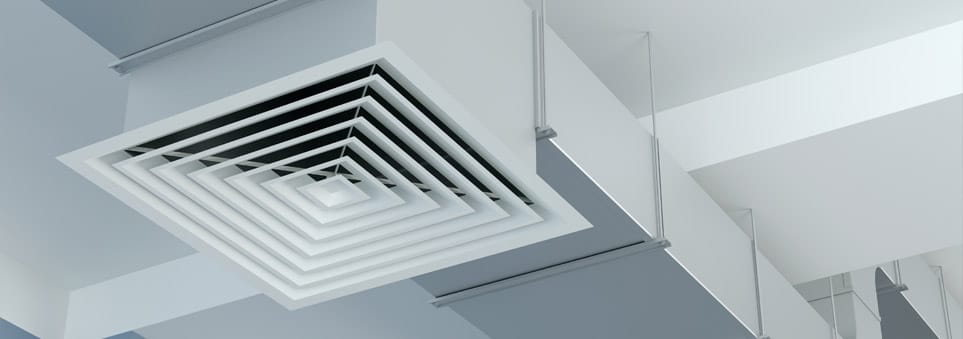
Choosing the Right HVAC Grilles and Diffusers for Your System
Selecting the correct air distribution components is a crucial step in designing an efficient HVAC system. Grilles and diffusers may seem like small elements, but they have a major impact on airflow balance, indoor comfort, and energy efficiency. Choosing the wrong type can lead to uneven temperatures, noise issues, and reduced system performance.
Understanding hvac grilles and diffusers helps engineers, contractors, and building owners make informed decisions that improve system efficiency and long-term reliability.
Table of Contents
ToggleUnderstanding the Role of Grilles and Diffusers
Before selecting the right products, it is important to understand how they function within an HVAC system.
- Grilles are primarily used for air return or exhaust. They allow air to move back into the duct system while providing basic protection and airflow control.
- Diffusers distribute conditioned air evenly into a space, controlling direction, velocity, and spread for optimal comfort.
Together, they ensure balanced air circulation and stable indoor environments.
Key Factors to Consider When Choosing HVAC Grilles and Diffusers
1. Airflow Requirements
The first step in selection is understanding the airflow needs of the space.
- Larger spaces require higher air distribution capacity
- Smaller rooms need controlled and softer airflow
- Open-plan areas may need directional airflow control
Proper airflow matching ensures consistent temperature and comfort levels.
2. Type of Application
Different environments require different grille and diffuser types.
- Residential spaces prioritize comfort and quiet operation
- Commercial buildings require uniform air distribution
- Industrial facilities need durability and high airflow capacity
- Healthcare environments demand precise air control
Each application influences the type of product best suited for the system.
3. Placement and Installation Location
The installation location significantly affects product selection.
- Ceiling-mounted diffusers are common in offices and retail spaces
- Wall-mounted grilles are often used for return air systems
- Floor diffusers are used in specialized HVAC setups
- Door transfer grilles help maintain pressure balance between rooms
Proper placement ensures efficient airflow distribution.
Types of HVAC Grilles and Diffusers
Understanding available types helps in selecting the most suitable option for a system.
Common Types of Grilles
- Fixed blade grilles
- Adjustable blade grilles
- Return air grilles
- Door transfer grilles
Common Types of Diffusers
- Ceiling diffusers
- Linear slot diffusers
- Swirl diffusers
- Jet diffusers
- Floor diffusers
Each type serves a specific function depending on airflow and design requirements.
Material Selection and Durability
Material choice directly affects the lifespan and performance of HVAC components.
Common Materials Used
- Aluminum for lightweight strength and corrosion resistance
- Steel for industrial durability and structural stability
- Plastic for cost-effective residential applications
Selecting the right material ensures long-term reliability and reduces maintenance needs.
Design and Aesthetic Considerations
Modern HVAC systems often require components that blend with interior design. Grilles and diffusers are now available in various finishes and styles.
Key design considerations include:
- Color matching with interior spaces
- Minimal visual impact for modern architecture
- Slim or concealed designs for aesthetic integration
- Custom finishes for premium environments
Design plays an important role in commercial and residential spaces where appearance matters.
Energy Efficiency and Performance
Proper selection of grilles and diffusers contributes to overall HVAC energy efficiency.
Well-designed components help:
- Reduce pressure loss in the system
- Improve airflow distribution efficiency
- Lower energy consumption
- Maintain consistent indoor temperatures
Efficient airflow reduces strain on HVAC equipment, extending system lifespan.
Common Mistakes to Avoid
Incorrect selection of grilles and diffusers can lead to system inefficiencies.
Common mistakes include:
- Choosing incorrect size for airflow requirements
- Ignoring room layout and usage
- Using inappropriate materials for the environment
- Overlooking noise control requirements
Avoiding these mistakes helps ensure better system performance and comfort.
Importance of Professional Guidance
Selecting HVAC components is not always straightforward. Professional input can help ensure proper system design and performance optimization.
Experts can assist with:
- Airflow calculations
- Product type selection
- Installation planning
- System balancing recommendations
This reduces the risk of inefficiency and installation errors.
Conclusion
Choosing the right HVAC grilles and diffusers is essential for achieving efficient airflow, indoor comfort, and energy savings. From understanding airflow needs to selecting the correct materials and designs, every decision impacts overall system performance.
By carefully evaluating hvac grilles and diffusers, engineers and building owners can ensure balanced air distribution, improved efficiency, and long-term HVAC reliability across residential, commercial, and industrial applications.