


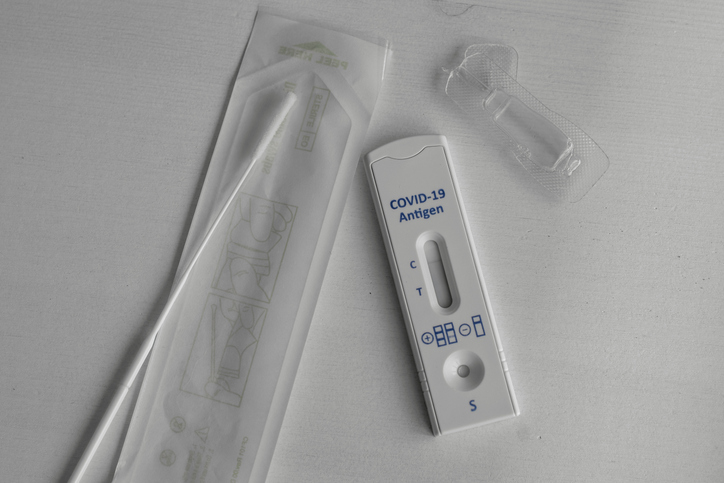
How COVID-19 Saliva Tests Provide an Alternative Approach to Respiratory Virus Screening
COVID-19 screening has evolved significantly with the development of diagnostic methods that use different types of biological specimens. While nasal and nasopharyngeal swabs have been widely used, saliva-based testing offers another collection option for detecting SARS-CoV-2. This approach uses oral fluid rather than samples collected from inside the nasal cavity, potentially making the process more comfortable and convenient for certain individuals.
Saliva testing has attracted attention because it can simplify specimen collection and may support self-collection when an approved product allows it. A COVID-19 Saliva Test is designed to analyze an oral fluid specimen for specific indicators of SARS-CoV-2, depending on the technology used. Understanding how these tests work, their advantages, and their limitations helps individuals and healthcare providers make informed screening decisions.
What Is a COVID-19 Saliva Test?
A COVID-19 saliva test is a diagnostic method that uses saliva to investigate whether SARS-CoV-2 is present or whether specific immune markers can be detected. The exact target depends on the test design.
Most COVID-19 diagnostic tests fall into two broad categories:
- Molecular tests: These detect viral genetic material, commonly through methods such as reverse transcription polymerase chain reaction (RT-PCR).
- Antigen tests: These detect specific proteins associated with the virus and can provide results relatively quickly when used with a compatible testing system.
Antibody tests are different because they investigate the immune response rather than directly identifying an active infection. They should not be treated as interchangeable with tests designed to detect current viral infection.
Not every COVID-19 test accepts saliva. The specimen type must be explicitly approved in the product instructions.
How Does Saliva-Based COVID-19 Testing Work?
Saliva testing begins with collecting an oral fluid specimen. The sample is then processed using a diagnostic method designed to identify the target material.
1. Saliva Sample Collection
Depending on the product, users may be instructed to spit into a collection tube, allow saliva to accumulate naturally in the mouth, or use a specialized collection device. The required amount and collection technique vary between products.
Some tests require users to avoid eating, drinking, smoking, or brushing their teeth for a specified period before collection. These instructions help reduce contamination and improve sample suitability.
2. Sample Preparation
After collection, the specimen may need to be mixed with a buffer solution or transferred into a designated container. Molecular tests may require additional preparation before analysis, while some rapid systems use simpler processing procedures.
3. Detection of the Target
The testing platform analyzes the specimen for the specific viral material it is designed to detect. Molecular methods identify genetic sequences, while antigen methods look for viral proteins.
4. Result Interpretation
Results must be interpreted according to the manufacturer’s instructions. Positive, negative, and invalid results have different meanings, and users should follow any recommendations for repeat or confirmatory testing.
Advantages of COVID-19 Saliva Testing
Saliva-based testing offers several practical benefits, although its suitability depends on the diagnostic platform and testing purpose.
Non-Invasive Sample Collection
One of the most noticeable advantages is that saliva can be collected without inserting a swab into the nose or throat. This may make the procedure more comfortable for people who experience discomfort or anxiety during conventional swab collection.
Convenient Self-Collection
Some validated saliva tests allow individuals to collect their own specimens. This can reduce the need for direct assistance from healthcare staff and may make screening more accessible in approved home or community settings.
Potential for Large-Scale Screening
Straightforward collection can be helpful in organized screening programs. When a suitable testing system is available, saliva sampling may simplify the process of collecting specimens from groups of people.
Suitable for Repeated Sampling
Because saliva collection is generally non-invasive, it may be more acceptable when repeated specimens are needed. This can be useful in selected monitoring programs and research studies.
Reduced Dependence on Swab Collection
Saliva testing provides an alternative specimen collection method for certain diagnostic systems. It may be particularly useful when nasal sampling is difficult or unsuitable, provided the test has been validated for saliva.
COVID-19 Saliva Tests Compared with Nasal Swab Tests
Both saliva and nasal specimens can be used in COVID-19 diagnostics, but they differ in collection methods and practical requirements.
| Feature | Saliva Test | Nasal Swab Test |
|---|---|---|
| Specimen type | Oral fluid | Nasal secretions and cells |
| Collection method | Spitting or specialized oral collection | Swabbing inside the nostrils |
| Comfort | Generally non-invasive | Usually minimally invasive |
| Self-collection | Possible with approved products | Possible with approved products |
| Preparation | Some tests require restrictions before collection | Usually involves fewer preparation requirements |
| Test compatibility | Only products validated for saliva | Only products validated for nasal specimens |
Neither specimen type is automatically more accurate than the other. Performance depends on the test technology, collection procedure, timing, and amount of detectable viral material in the sample.
Factors That Affect Saliva Test Accuracy
Several factors can influence the quality of a saliva specimen and the reliability of the final result.
Sample Quality
An adequate specimen is essential. Too little saliva or contamination from food, drinks, toothpaste, or mouthwash may interfere with certain testing methods.
Timing of Collection
The amount of viral material in the body can change during the course of infection. Testing very early or later in the illness may affect the likelihood of detecting the virus.
Correct Collection Procedure
Users must follow the specified collection method. Some products require passive drooling, while others use particular collection devices. Substituting a different method may affect the sample.
Storage and Handling
If the specimen cannot be tested immediately, it must be stored and transported according to the manufacturer’s instructions. Improper conditions may affect sample stability.
Diagnostic Sensitivity and Specificity
Sensitivity describes how effectively a test identifies people who have the target condition. Specificity describes how effectively it identifies people who do not. These characteristics vary between products and should be considered when evaluating diagnostic performance.
Limitations of Saliva-Based COVID-19 Screening
Although saliva testing offers convenience, it has limitations that users should understand.
- Variable viral concentration: The amount of viral material in saliva may differ between individuals and at different stages of infection.
- Collection-related errors: Insufficient volume or contamination may result in an unsuitable specimen.
- Differences in test performance: Not all saliva-based tests have the same sensitivity or specificity.
- Limited product compatibility: A test designed for nasal or blood specimens cannot automatically be used with saliva.
- Possible false-negative results: A negative result does not always exclude infection, particularly when symptoms or recent exposure indicate a possibility of COVID-19.
When symptoms persist or clinical suspicion remains high, healthcare professionals may recommend repeat testing or a different diagnostic method.
When Is Saliva-Based COVID-19 Testing Useful?
Saliva testing may be appropriate in several situations when an authorized diagnostic product is available.
Community Screening
Saliva collection may simplify specimen collection in organized screening programs, particularly when large groups need to be tested.
Individuals Who Prefer Non-Invasive Sampling
People who find nasal swabbing uncomfortable may prefer an approved saliva collection method when it is suitable for the intended test.
Selected Home-Testing Situations
Some products are designed for home use and provide instructions for collecting and processing saliva samples. Users should verify that the product is authorized for self-testing and follow its instructions carefully.
Clinical and Research Applications
Healthcare professionals and researchers may use saliva specimens to investigate SARS-CoV-2 or study viral detection methods. The choice of test depends on the research question and required level of diagnostic evidence.
How to Choose a Reliable COVID-19 Saliva Test
Selecting a suitable product involves evaluating more than collection convenience. Several important factors should be considered.
- Specimen compatibility: Confirm that saliva is specifically listed as an accepted sample type.
- Intended use: Check whether the product is designed for professional testing, self-testing, or laboratory analysis.
- Performance data: Review available sensitivity, specificity, and clinical validation information.
- Collection instructions: Choose products with clear guidance on preparation, sample volume, and handling.
- Regulatory status: Check the applicable authorization or registration requirements in the market where the test will be used.
- Result interpretation: Ensure that instructions explain how to identify valid, positive, negative, and invalid results.
Reliable products should provide transparent information about their intended use and limitations.
The Future of Saliva-Based Respiratory Virus Screening
Advances in molecular diagnostics, biosensors, and rapid testing technologies continue to expand the possibilities for saliva-based screening. Researchers are exploring methods that improve detection sensitivity, simplify sample preparation, and reduce the time required to obtain results.
These developments may support more accessible respiratory testing in clinical and community settings. However, new technologies must undergo appropriate analytical and clinical validation before their performance can be relied upon.
Conclusion
COVID-19 saliva testing provides an alternative approach to respiratory virus screening by using oral fluid instead of nasal specimens. Its non-invasive collection process and potential for self-sampling offer practical advantages in selected testing environments.
However, reliable results depend on using a product specifically validated for saliva, collecting an adequate specimen, and following the correct testing procedure. Understanding the differences between saliva and nasal testing helps individuals and healthcare providers select an appropriate diagnostic method and interpret results responsibly.