


Magnesium Sulfate Monohydrate: Product Specifications and Tips for Selecting the Right Supplier
Magnesium sulfate monohydrate is an important inorganic compound used in agriculture, animal nutrition, and selected industrial applications. Containing magnesium, sulphur, and one molecule of water of crystallization, it provides two essential nutrients in a concentrated form. Its chemical composition and physical properties make it suitable for applications where a reliable source of magnesium and sulphur is required. However, product specifications can vary between manufacturers, so buyers should understand the material before making a purchasing decision.
Selecting a dependable Magnesium Sulfate Monohydrate Supplier requires attention to chemical composition, purity, moisture content, particle size, packaging, and delivery reliability. Whether purchasing for agricultural distribution, fertilizer production, or industrial processing, buyers should compare suppliers based on documented quality standards rather than price alone. A structured evaluation can help reduce procurement risks and ensure that the selected product meets its intended requirements.
Understanding Magnesium Sulfate Monohydrate
Magnesium sulfate monohydrate has the chemical formula MgSO₄·H₂O. It is a hydrated form of magnesium sulfate containing one water molecule per formula unit.
Compared with magnesium sulfate heptahydrate (MgSO₄·7H₂O), the monohydrate contains less water of crystallization and therefore provides a higher proportion of magnesium sulfate by weight. This distinction is important when comparing nutrient concentrations, calculating application rates, or preparing industrial formulations.
Common product characteristics include:
- Chemical formula: MgSO₄·H₂O.
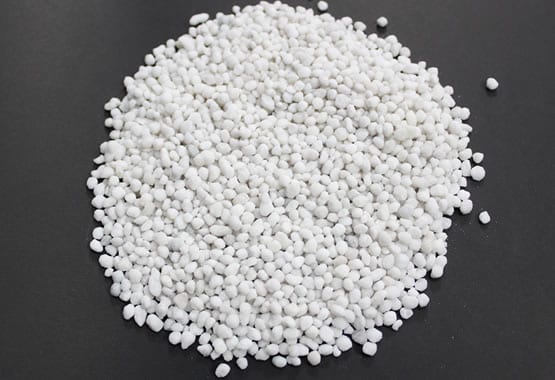
- Appearance: Generally supplied as a white or off-white powder or granular material.
- Nutrient composition: Provides magnesium and sulphur.
- Water content: Contains one molecule of water of crystallization.
- Solubility: Dissolves in water, with solubility influenced by temperature and product characteristics.
- Physical form: Available in different particle sizes depending on manufacturing and customer requirements.
Buyers should confirm the exact grade and specifications before selecting a product for a particular application.
Key Product Specifications to Evaluate
Product specifications determine whether magnesium sulfate monohydrate is suitable for a particular agricultural or industrial purpose. A reliable supplier should provide clear technical information and supporting test documentation.
1. Magnesium and Sulphur Content
Magnesium and sulphur are essential plant nutrients. Magnesium supports chlorophyll formation and photosynthesis, while sulphur contributes to amino acid and protein synthesis.
Agricultural buyers should verify the declared nutrient concentrations and confirm that the product meets the requirements of their fertilizer program. Nutrient values should be evaluated on a clearly stated analytical basis to avoid confusion when comparing different hydrated forms.
2. Magnesium Sulfate Purity
Purity is an important consideration for both agricultural and industrial applications. Buyers should review the declared magnesium sulfate content and any limits for unwanted substances.
Depending on the intended use, relevant parameters may include:
- Insoluble matter.
- Chloride content.
- Iron and other trace elements.
- Heavy metal limits.
- Other specified impurities.
The acceptable limits should reflect the application and applicable product standards rather than relying on a single specification for every use.
3. Moisture Content
Moisture content helps distinguish the monohydrate from other forms of magnesium sulfate and can influence product handling and formulation calculations.
Buyers should confirm that the stated hydration form is consistent with the technical documentation. Additional moisture specifications may be needed where the product is used in controlled manufacturing processes.
4. Particle Size and Physical Consistency
Magnesium sulfate monohydrate may be supplied as powder or granules. Particle size can influence blending, dissolution, transportation, and application.
For example, fertilizer manufacturers may require a particular particle-size distribution to improve blending consistency. Buyers should specify their preferred form and ask whether the supplier can maintain it across multiple production batches.
Common Applications of Magnesium Sulfate Monohydrate
The suitability of magnesium sulfate monohydrate depends on its grade and the requirements of the intended process.
Agricultural Fertilizer Production
Magnesium sulfate monohydrate supplies magnesium and sulphur, making it useful in fertilizer formulations designed to address deficiencies in these nutrients.
Magnesium supports chlorophyll production and enzyme activity, while sulphur contributes to protein formation and normal plant metabolism. The appropriate application rate depends on crop requirements, soil conditions, and the nutrient concentration of the finished fertilizer.
Soil Nutrient Management
In agricultural settings, magnesium sulfate monohydrate may be used where soil testing indicates insufficient available magnesium or sulphur. It can contribute to a balanced nutrient management program, although application decisions should account for soil pH and the availability of other nutrients.
Animal Nutrition
Certain magnesium sulfate products may be used in animal nutrition when they meet the applicable feed-grade specifications and regulatory requirements. Buyers must not assume that an agricultural or industrial grade is suitable for feed applications. Product grade, purity, labeling, and local regulations should be verified before use.
Industrial Processing
Selected industrial processes use magnesium sulfate as a chemical input or formulation component. In these applications, buyers may place greater emphasis on purity, particle size, moisture characteristics, and batch consistency.
How to Select a Reliable Magnesium Sulfate Monohydrate Supplier
Finding a suitable supplier involves evaluating both product quality and the company’s ability to fulfill orders consistently.
1. Review Quality Control Procedures
A professional supplier should have documented procedures for monitoring raw materials, production, and finished products.
Ask about:
- Incoming material inspection.
- Production process controls.
- Finished-product testing.
- Batch traceability.
- Procedures for managing nonconforming products.
- Quality complaint and corrective-action processes.
These practices help buyers understand how the supplier maintains product consistency.
2. Request a Certificate of Analysis
A Certificate of Analysis (COA) provides test results for a specific batch. It should identify the product, batch number, relevant chemical parameters, and measured values.
Compare the COA with the agreed technical specification rather than relying only on general product descriptions. For larger purchases or specialized applications, independent testing may provide additional assurance.
3. Check Production Capacity and Supply Stability
A supplier should be capable of meeting the required order volume within a realistic timeframe. This is especially important for fertilizer manufacturers, distributors, and businesses with seasonal purchasing patterns.
Confirm the following before placing an order:
- Available production capacity.
- Minimum order quantity.
- Standard preparation and dispatch time.
- Ability to support repeat orders.
- Inventory planning arrangements.
- Procedures for communicating delays.
Reliable supply planning can help businesses avoid unexpected shortages and maintain their production schedules.
4. Evaluate Industry Experience
Suppliers with experience in agricultural or industrial chemical markets may better understand the documentation, packaging, and specification requirements of different buyers.
Ask whether the supplier regularly handles the product grade you need and whether it can provide relevant technical information. Experience should be supported by clear specifications and consistent quality records.
5. Compare Packaging Options
Packaging affects product protection, transportation, and warehouse handling. Common options include:
| Packaging Type | Typical Application |
|---|---|
| 25 kg bags | Smaller buyers and agricultural distributors |
| 50 kg bags | Commercial and bulk fertilizer purchasing |
| Jumbo bags | Large-volume industrial and agricultural orders |
| Customized packaging | Buyers with specific handling or labeling requirements |
Buyers should confirm bag strength, liner materials, sealing quality, labeling, and palletization arrangements. Magnesium sulfate monohydrate should be stored in a clean, dry environment according to the supplier’s recommendations.
6. Assess Export and Delivery Capabilities
For international procurement, suppliers should be familiar with shipping procedures and destination-market documentation requirements.
Relevant considerations include production lead times, freight arrangements, shipment tracking, export experience, and communication during transportation.
Depending on the transaction and destination, buyers may require a commercial invoice, packing list, Certificate of Analysis, Safety Data Sheet, Certificate of Origin, and transport documents.
Comparing Supplier Quotations Effectively
Price comparisons are most useful when all suppliers quote against the same product specification and delivery conditions.
A complete purchasing assessment should include:
- Product price per metric ton.
- Declared purity and nutrient content.
- Packaging and loading costs.
- Domestic transportation.
- International freight and insurance, where applicable.
- Customs duties and handling charges.
- Payment terms.
- Delivery schedule.
For international orders, compare quotations using equivalent Incoterms, such as FOB, CFR, or CIF. This helps clarify the costs and responsibilities included in each offer.
A lower price may not represent better value if the product has inconsistent specifications, inadequate packaging, or unreliable delivery performance.
Common Purchasing Mistakes to Avoid
Buyers can improve procurement decisions by avoiding several common errors:
- Confusing different hydrated forms: Magnesium sulfate monohydrate and heptahydrate have different water contents and nutrient concentrations.
- Ignoring product grade: Agricultural, industrial, and feed applications may have different quality and regulatory requirements.
- Relying on general product claims: Request batch-specific analytical results.
- Overlooking particle size: Confirm that the physical form suits the intended blending or application process.
- Comparing prices without matching specifications: Ensure quotations cover equivalent product quality and delivery conditions.
- Failing to define acceptance criteria: Include chemical specifications, packaging, inspection procedures, and delivery terms in the purchase agreement.
Building a Long-Term Supplier Relationship
Once a suitable supplier has been identified, consistent communication can make future procurement more efficient. Buyers should share accurate demand forecasts, confirm specifications before each order, and establish clear procedures for quality inspections and delivery updates.
Periodic supplier reviews can assess product consistency, documentation accuracy, response times, and shipment performance. These evaluations help purchasing teams identify potential issues early and determine whether the supplier continues to meet their requirements.
Conclusion
Magnesium sulfate monohydrate is a valuable source of magnesium and sulphur for selected agricultural and industrial applications. Its suitability depends on factors such as chemical purity, nutrient concentration, moisture characteristics, particle size, and product grade.
Choosing the right supplier requires a careful review of technical specifications, quality control procedures, production capacity, packaging, documentation, and total purchasing costs. By requesting batch-specific Certificates of Analysis and confirming application requirements before ordering, buyers can make more informed decisions and establish a dependable supply arrangement for magnesium sulfate monohydrate.