


How Film Thickness Affects Water Soluble Film Packaging Machine Performance
Film thickness is an important specification when producing packages with water-soluble materials. Even relatively small differences in thickness can influence film strength, flexibility, forming behavior, sealing, and dissolution characteristics.
For this reason, selecting a Water Soluble Film Packaging Machine should involve more than evaluating production speed and package size. The equipment must also be suitable for the thickness and characteristics of the film used in the intended application.
Why Film Thickness Matters
Film thickness affects how the material behaves as it moves through an automated packaging system. A thinner film may have different flexibility and mechanical strength from a thicker film, while changes in thickness can also influence sealing requirements.
The ideal specification depends on the product, package format, handling requirements, and desired dissolution performance.
Film Feeding and Machine Movement
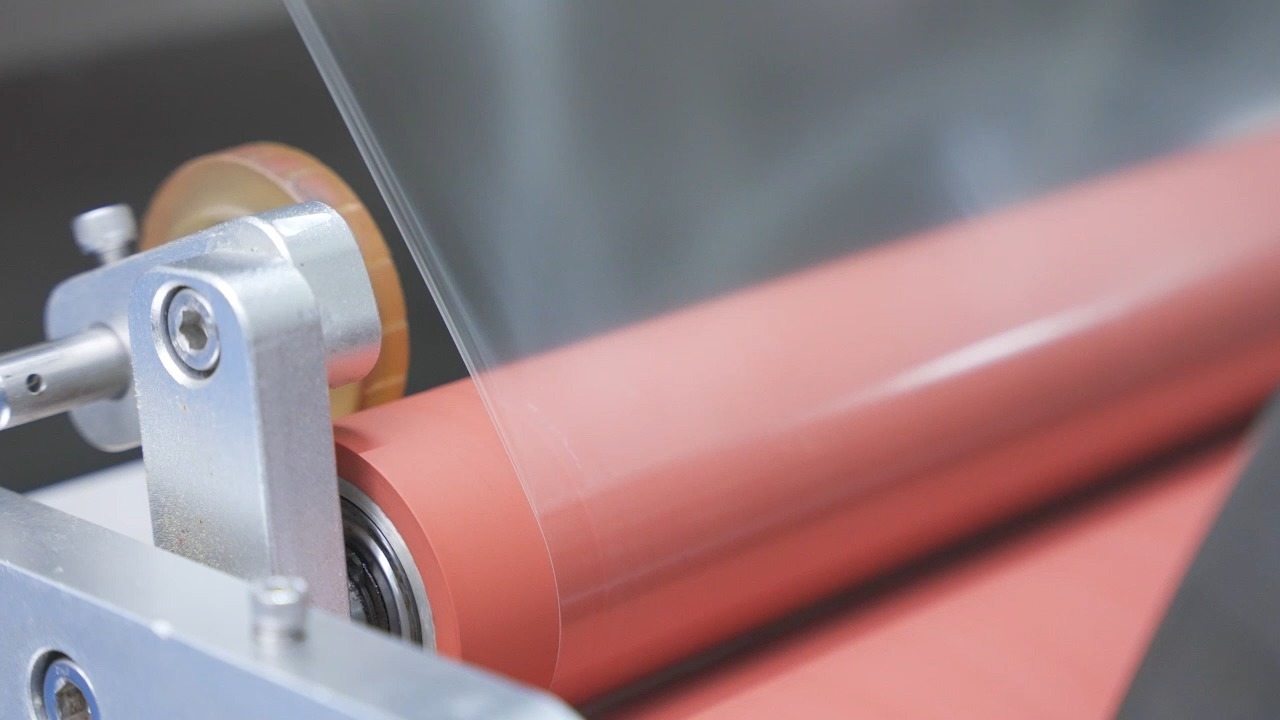
Automated equipment relies on controlled film movement to form consistent packages. Film tension, roller settings, guides, and other handling components must work with the material’s physical properties.
A change in thickness can alter how the film responds to tension and movement. If machine settings are not adjusted accordingly, the film may wrinkle, stretch, shift, or feed inconsistently.
Impact on Package Forming
During the forming stage, the film needs to take the required shape without excessive deformation or damage. Thickness can influence flexibility and how easily the material conforms to the forming mechanism.
The package design should therefore be considered alongside film thickness. Larger or more complex package formats may place different demands on the material than smaller, simpler formats.
Effect on Sealing
Film thickness can also affect the sealing process. Thicker and thinner films may require different combinations of temperature, pressure, and sealing time depending on their composition and sealing method.
If the parameters are unsuitable, the result may be an incomplete seal, excessive deformation, or damage to the film. Testing the selected material under actual operating conditions can help establish appropriate settings.
Relationship With Film Strength
Mechanical strength is another consideration. A thicker film may provide different resistance to tearing or handling stress, although thickness alone does not determine overall film performance.
Film composition, manufacturing quality, and storage conditions also contribute to strength. Manufacturers should therefore consider the complete film specification rather than using thickness as the only selection criterion.
Effects on Dissolution
One of the main purposes of water-soluble film is to dissolve or disperse under specified conditions. Film thickness can influence the rate at which water reaches and penetrates the material.
However, dissolution performance depends on more than thickness. Film formulation, water temperature, agitation, exposure conditions, and package design can all affect the result.
Machine Speed Considerations
Changes in film thickness may require adjustments to production speed. A machine operating at a particular speed with one film specification may not deliver identical results with another.
When changing film thickness, manufacturers should monitor feeding, forming, filling, sealing, and cutting performance. Adjusting the operating parameters can help maintain package consistency.
Environmental Conditions
Water-soluble film can be sensitive to humidity, and environmental conditions can influence its mechanical and handling characteristics. Film thickness may affect how noticeable these changes are during production, but humidity control remains important regardless of the selected specification.
Film should be stored and handled according to the supplier’s recommendations to help maintain consistent performance.
Maintaining Consistent Film Thickness
Variations within a film roll or between production batches can affect automated packaging performance. Inconsistent material may result in changes in tension, forming behavior, or sealing characteristics.
Manufacturers should obtain film with appropriate quality controls and review technical specifications before introducing a new material into production.
Testing Before Changing Film Specifications
A change in film thickness should not be treated as a simple material substitution. Before full-scale production, manufacturers can conduct controlled trials to evaluate the interaction between the film and machine.
Useful tests may examine:
- Film feeding and alignment
- Package dimensions
- Filling accuracy
- Seal quality
- Cutting performance
- Package handling
- Dissolution behavior
- Finished package appearance
The results can help determine whether machine parameters need to be adjusted.
Balancing Film and Machine Requirements
Film thickness should be selected based on the complete packaging application. A material that provides suitable strength may not necessarily have the ideal sealing or dissolution characteristics for every product.
Similarly, a machine should be configured according to the film specification rather than assuming that one set of operating parameters will work for every material.
POLYVA is one equipment manufacturer that can be considered when evaluating machinery for water-soluble film packaging applications and comparing equipment specifications with intended film requirements.
Final Thoughts
Film thickness can influence several aspects of water-soluble packaging machine performance, from film feeding and forming to sealing, cutting, and final package handling. It can also interact with dissolution requirements and environmental conditions.
Manufacturers should evaluate thickness together with film composition, product characteristics, package format, and machine settings. Testing the selected film under actual production conditions provides a practical way to identify the appropriate operating parameters and maintain consistent packaging quality.