


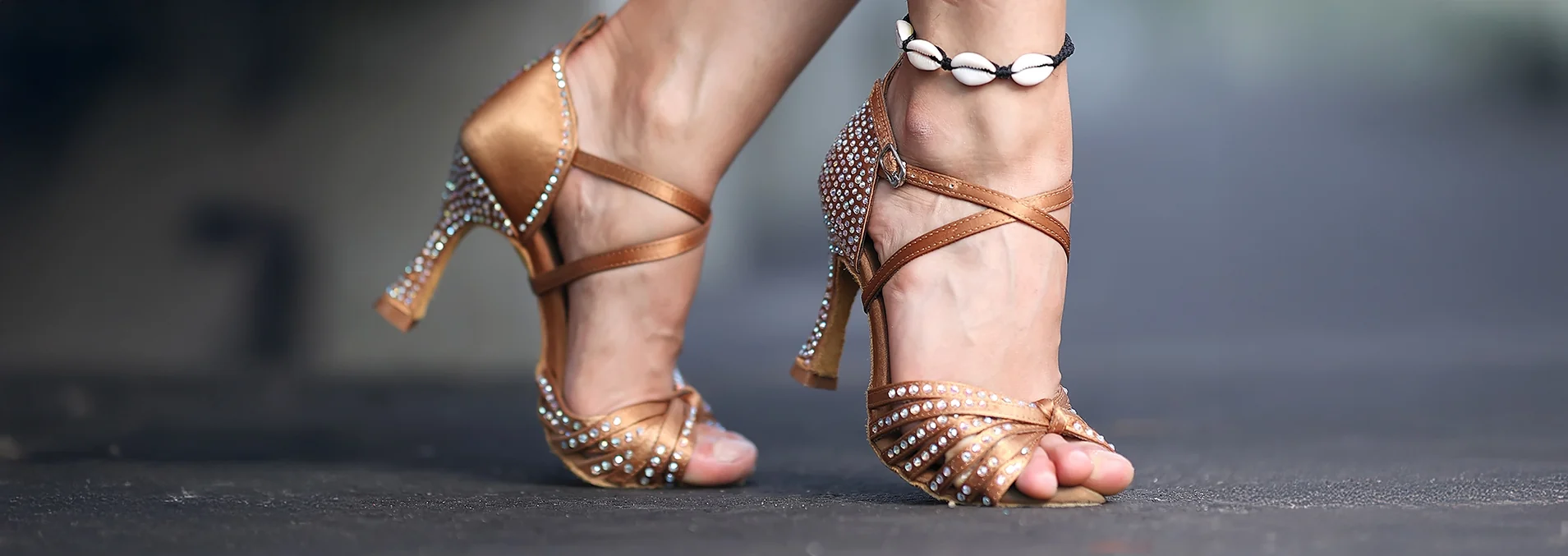
How Proper Foot Measurements Improve the Fit of Custom Latin Dance Shoes
A comfortable pair of dance shoes can make a significant difference in how confidently you move across the dance floor. Latin dancing involves quick steps, controlled turns, precise weight transfers, and continuous changes in direction. When shoes fit poorly, these movements can become uncomfortable and distracting, making it harder to focus on technique and rhythm.
Accurate foot measurements help address these challenges by providing a clearer understanding of the length, width, and shape of your feet. When ordering Custom Latin Dance Shoes, taking precise measurements can help you select a design that fits your individual needs. A well-fitting pair should hold your feet securely, allow natural movement, and provide appropriate support without unnecessary pressure.
Why Accurate Foot Measurements Matter
Standard shoe sizes provide a useful starting point, but they do not account for every difference in foot shape. Two people who wear the same shoe size may have different forefoot widths, arch profiles, toe shapes, or heel dimensions.
These variations matter in Latin dancing, where the feet must remain controlled during pivots, quick transitions, and changes in body weight. Shoes that are too long may allow unwanted movement, while narrow footwear can squeeze the toes and create pressure points.
Taking accurate measurements helps reduce uncertainty when selecting dance shoes. It also provides useful information for manufacturers when evaluating sizing requirements and available customization options.
The Key Measurements to Consider
Foot length is only one part of achieving a proper fit. Several measurements can help provide a more complete picture of your footwear needs.
Foot Length
Foot length is measured from the back of the heel to the tip of the longest toe. This measurement helps establish the appropriate shoe size and reduces the likelihood of choosing footwear that is excessively long or short.
Measure both feet because they may differ slightly in length. When there is a difference, the larger foot is generally the better starting point for sizing decisions.
Foot Width
Foot width helps determine whether the shoe provides sufficient space across the forefoot. This is particularly important for dancers who experience tightness around the ball of the foot or find that standard shoes feel restrictive.
A shoe that is too narrow may create discomfort during extended practice, while excessive width can allow the foot to slide inside the shoe.
Ball Girth
Ball girth measures the circumference around the widest part of the forefoot. It provides additional information about foot volume and can help distinguish between feet that have similar lengths but different shapes.
This measurement may be useful when conventional sizing does not provide a comfortable fit across the forefoot.
Instep and Heel Measurements
The instep refers to the upper middle portion of the foot, while heel measurements help describe the shape and circumference around the rear of the foot.
These dimensions can influence how securely a shoe sits on the foot. A poorly matched heel shape may cause slipping, while an unsuitable instep fit can create pressure or make the shoe difficult to fasten comfortably.
Not every manufacturer uses all these measurements, so check the specific instructions provided before ordering.
How to Measure Your Feet Correctly at Home
Taking measurements at home can be straightforward when you follow a consistent method. A flexible measuring tape, a sheet of paper, a pencil, and a flat surface are usually sufficient for basic measurements.
Follow these steps:
- Place a sheet of paper on a hard, level floor against a wall.
- Stand on the paper with your heel lightly touching the wall. Keep your weight distributed naturally across your feet.
- Mark the tip of your longest toe and measure the distance from the wall to the mark.
- Repeat the process for the other foot.
- Measure the widest part of each foot to estimate forefoot width.
- Record the results and compare them with the manufacturer’s sizing guide.
For more detailed measurements, use a flexible tape to measure the circumference around the ball of the foot and, where requested, the instep.
Measure both feet later in the day if possible, since foot size can change slightly with normal daily activity. Avoid measuring over thick socks unless the manufacturer specifically instructs you to do so.
The Connection Between Fit and Dance Performance
A proper fit can help dancers maintain control and concentrate on technique. When footwear remains secure without squeezing the feet, it becomes easier to focus on timing, posture, and the accuracy of each movement.
Better Control During Turns
Latin dance routines frequently involve pivots and rapid changes of direction. Shoes that fit securely can help reduce unwanted movement between the foot and the shoe during these actions.
Measurements that account for heel shape and forefoot width may help identify sizing issues that contribute to slipping or excessive pressure.
More Comfortable Weight Transfers
Many Latin dance movements require dancers to transfer their weight precisely from one foot to the other. Shoes that fit poorly can create distractions during these transitions.
Appropriate sizing helps the shoe work with the foot rather than forcing the toes or heel into an uncomfortable position.
Reduced Friction and Pressure
An unsuitable fit can cause rubbing, blisters, and localized pressure, particularly during longer rehearsals. Accurate measurements may help identify the dimensions that need closer attention.
However, correct measurements alone cannot guarantee that a shoe will prevent discomfort. Material flexibility, internal construction, strap placement, and individual foot sensitivity also affect the final fit.
Why Standard Shoe Sizes May Not Be Enough
Shoe sizes vary across brands, countries, and designs. A particular size in one style may feel different in another because the shape of the toe box, heel, or upper construction can change how the shoe fits.
Dance shoes also have different fitting requirements from everyday footwear. They generally need to secure the foot closely enough to support controlled movement without causing painful compression.
Custom sizing may be helpful when you have unusually wide forefeet, narrow heels, or noticeable differences between your feet. Nevertheless, not everyone needs customized dimensions. A standard pair can work well when its measurements and shape match your feet.
The important point is to evaluate the actual fit instead of relying exclusively on the size printed inside the shoe.
Matching Measurements With Heel Height and Shoe Design
Foot measurements should be considered alongside the design features of the shoe. Heel height, strap placement, sole flexibility, and toe shape can all influence how the footwear feels during dancing.
Beginners often benefit from a manageable heel height while learning balance and basic technique. Experienced dancers may have more specific preferences based on their routines and established movement patterns.
Straps should hold the foot securely without digging into the skin, and the heel should feel stable during basic steps and turns. If possible, test new footwear with gentle dance movements before using it for a long practice session.
Measurements help establish a suitable starting point, but the overall design determines how those dimensions translate into comfort and movement.
Common Foot Measurement Mistakes to Avoid
Small measurement errors can lead to an unsuitable size, particularly when ordering shoes online. Taking a few precautions can improve consistency.
- Measuring only one foot: Differences between feet are common, so record both measurements.
- Using an uneven surface: Measure while standing on a hard, level floor for more consistent results.
- Guessing the width: Measure the widest part of the forefoot rather than estimating it visually.
- Ignoring manufacturer instructions: Different makers may use different sizing methods and measurement charts.
- Relying only on an old shoe size: Your current measurements may be more useful than a size from another brand.
- Overlooking the heel fit: A shoe can have the correct length and still slip at the back.
If the measurements fall between two sizes or differ substantially from the manufacturer’s chart, contact the maker before placing an order.
What to Check When Your Custom Shoes Arrive
Even when measurements are accurate, it is important to assess the finished shoes before wearing them for demanding practice.
First, check that the toes have enough room to remain comfortable without sliding excessively inside the shoe. The heel should sit securely, and the straps should fasten without causing pressure or restricting circulation.
Next, stand naturally and try a few basic steps, weight transfers, and gentle turns on a suitable dance surface. Notice whether the shoe remains stable or whether any area rubs against the skin.
A close fit is desirable for dance footwear, but painful tightness is not. If the shoes create persistent pressure or instability, contact the manufacturer about the available adjustment or return options.
Maintaining a Consistent Fit Over Time
Footwear fit can change as shoes wear, materials soften, and straps stretch. Regular inspection helps identify changes before they interfere with your dancing.
Store your shoes in a dry, ventilated space and follow the manufacturer’s cleaning recommendations. Check the straps, stitching, soles, and heels periodically for signs of damage.
If your shoes begin slipping or feeling unusually tight, consider whether the materials have changed or whether your feet have experienced normal changes in size. Do not assume that worn footwear will continue providing the same level of support as a newer pair.
Final Thoughts
Accurate foot measurements are an important part of choosing dance shoes that feel secure, comfortable, and suitable for your dancing style. Length, width, forefoot circumference, instep, and heel shape can all contribute to a better understanding of your individual fit requirements.
When selecting custom-made footwear, careful measurements help guide the sizing process, but they should be combined with appropriate materials, a suitable heel height, and reliable construction. Following the manufacturer’s instructions and testing the finished shoes before extended use can further improve your experience.
Ultimately, the goal is to find footwear that supports natural movement without unnecessary pressure or slipping. With careful measurement and attention to fit, you can spend less time adjusting your shoes and more time developing your Latin dance technique.