


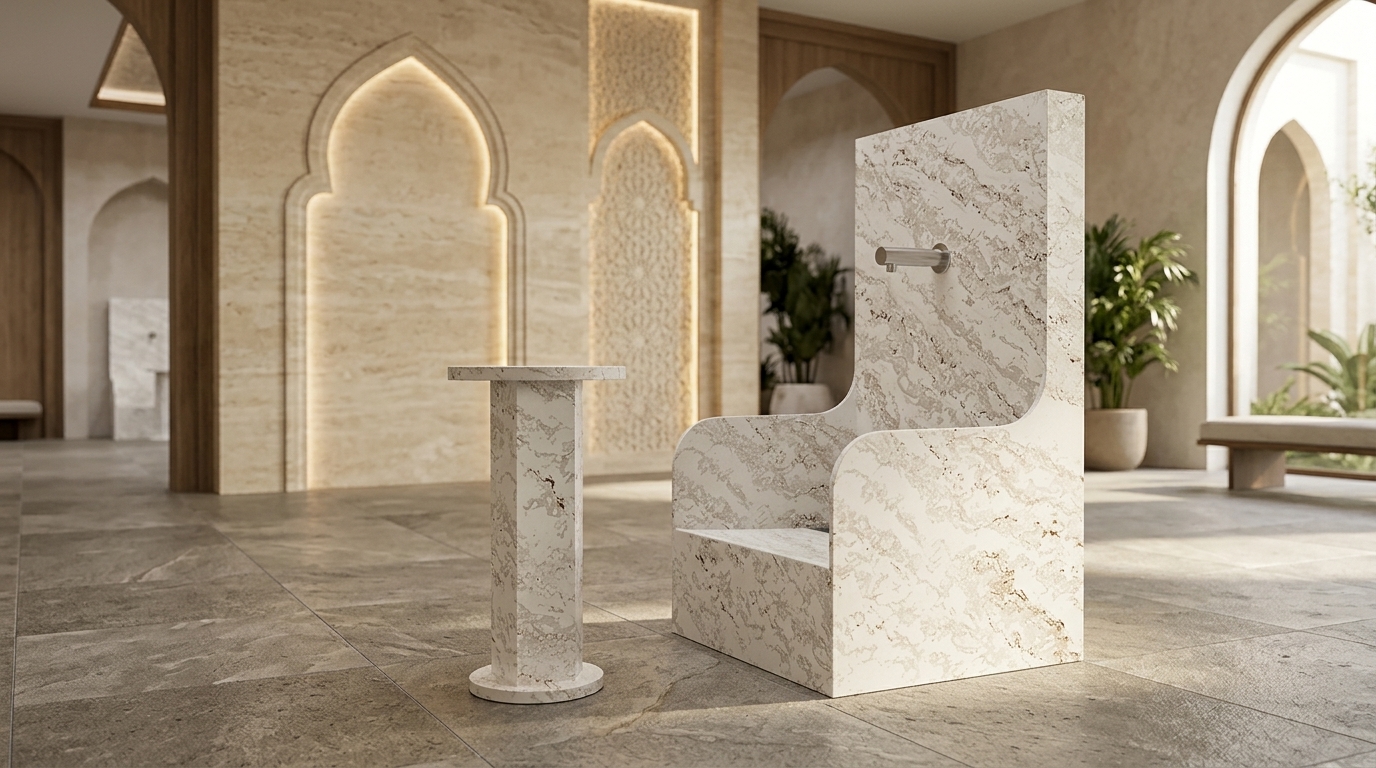
How To Select A Wudu Basin For High Traffic Ablution Areas
Ablution facilities in mosques, Islamic centers, schools, and public buildings often serve large numbers of people throughout the day. During busy periods, several users may need access to washing stations at the same time. A poorly planned setup can lead to long waiting times, water spilling onto the floor, and frequent maintenance problems.
Selecting the right Wudu basin for a high-traffic facility requires attention to more than appearance. The material, basin dimensions, drainage system, faucet design, and installation arrangement all affect how well the area handles regular use. A suitable choice helps maintain comfortable washing conditions and reduces the workload involved in daily cleaning and upkeep.
Why Do High-Traffic Ablution Areas Need Special Basin Designs?
A basin designed for a residential bathroom may not perform equally well in a busy public facility. High user numbers place greater demands on the washing stations, plumbing connections, surfaces, and drainage systems.
Several people may use the same area within a short period, especially before congregational prayers. This increases the need for durable materials, reliable water flow, and easy-to-clean surfaces.
A suitable design should address these requirements:
- Withstand repeated daily use without frequent repairs.
- Provide enough washing space for different users.
- Allow water to drain without creating standing pools.
- Support quick cleaning between busy periods.
- Reduce splashing and keep surrounding floors manageable.
- Provide comfortable access to every washing position.
These features help facilities maintain a practical ablution area even during periods of heavy use.
1. Choose A Material That Handles Frequent Use
Material selection has a direct effect on the basin’s lifespan and maintenance requirements. In a busy facility, the surface faces repeated contact with water, cleaning products, and everyday use.
Some materials are more suitable for these conditions than others.
Solid Surface
Solid surface is a practical option for modern commercial ablution areas. Its non-porous structure helps resist moisture absorption and makes routine cleaning easier.
Other useful characteristics include:
- Smooth surfaces that are easy to wipe clean.
- Flexibility in basin shapes and dimensions.
- Options for integrated or seamless designs.
- A consistent finish that suits modern interiors.
- The possibility of repairing minor surface scratches through refinishing, depending on the product.
Its design flexibility also makes it suitable for custom washing stations where standard basin dimensions may not meet the facility’s requirements.
Ceramic
Ceramic basins feature a hard glazed surface that handles regular water exposure and routine cleaning. They are available in several shapes and sizes, making them suitable for different bathroom layouts.
However, ceramic may chip or crack after a strong impact. Facilities should also consider the availability of replacement models and the difficulty of repairing damaged sections.
Stainless Steel
Stainless steel offers good resistance to moisture and is commonly used in demanding commercial environments. It is also relatively easy to clean.
However, its appearance may not suit every interior design. Scratches, water marks, and surface noise may also require consideration during selection.
The best material depends on the expected usage, cleaning routine, budget, and design requirements.
2. Select Dimensions That Support Multiple Users
Basin dimensions become especially important when several people use the facility throughout the day. A small washing area may create discomfort and slow down the movement of users.
Before choosing a model, consider the width, depth, and height of each station.
Basin Width
A wider basin gives users more room to wash their feet and move their hands without hitting the edges. It also helps reduce splashing during use.
For facilities with multiple stations, check the space available to each person rather than measuring only the total basin width.
Basin Depth
Depth affects both washing comfort and water control. A basin that is too shallow may allow water to splash onto the floor, whereas excessive depth may make the faucet difficult to reach.
Choose a design that provides enough clearance for foot washing without creating an awkward position.
Installation Height
The installation height should match the intended users and their washing positions. A height that works for standing users may not suit a seated ablution arrangement.
For public facilities, consider different user needs, including children, older adults, and people with limited mobility.
3. Consider The Number Of Washing Stations
The number of basins directly affects how efficiently a high-traffic ablution area operates. Too few stations may create queues during busy periods, while an excessive number may waste valuable floor space and installation costs.
Start by estimating how many people may use the facility during its busiest period. Then consider how long each person typically needs to complete ablution.
For example, a mosque serving a large congregation may experience a sudden increase in demand before prayer times. Its washing area needs enough capacity to handle this short period without unnecessary congestion.
When planning multiple stations:
- Provide enough width for each washing position.
- Maintain comfortable spacing between users.
- Position faucets for easy access.
- Avoid placing stations too close to entrances.
- Keep clear walkways for people entering and leaving.
A well-organized arrangement helps users move through the area without interfering with others.
4. Examine The Faucet Design And Water Flow
Faucets in public ablution areas receive frequent use. Their construction and operating mechanism need to withstand repeated opening and closing without becoming difficult to operate.
A suitable faucet should provide controlled water flow and easy access from the normal washing position.
Choose Durable Faucet Components
Low-quality faucets may develop leaks, loose handles, or inconsistent water pressure after regular use. These problems increase water consumption and create additional maintenance work.
Look for reliable components and finishes that tolerate frequent cleaning.
Consider Easy-To-Operate Handles
Lever handles are often easier to operate than small turning knobs. This feature can improve convenience for children, older adults, and users with limited hand movement.
Sensor-operated faucets may also suit some public facilities. However, their sensors need proper adjustment and regular maintenance to prevent unnecessary activation or interruptions.
Control Water Consumption
A strong water stream is not always necessary for effective washing. Flow regulators and suitable aerators help limit unnecessary water use.
The selected faucet should provide enough water for comfortable ablution without causing excessive splashing.
5. Prioritize An Efficient Drainage System
Drainage problems become more noticeable in high-traffic areas. When several people use the washing stations within a short period, the system needs to remove water efficiently.
A blocked or undersized outlet may cause water to collect inside the basin or spill onto the surrounding floor.
Check these drainage features before purchasing:
- Drain outlets that match the basin and plumbing specifications.
- Suitable pipe capacity for expected water flow.
- Removable drain covers for easier cleaning.
- Accessible plumbing connections for maintenance.
- Properly sloped basin interiors that direct water towards the outlet.
The floor drainage system deserves equal attention. Water from foot washing may reach the surrounding area, so the floor should direct it towards suitable drains.
6. Choose A Design That Makes Cleaning Easier
Cleaning requirements increase with the number of people using an ablution facility. Soap residue, mineral deposits, dirt, and standing water can build up on surfaces throughout the day.
A basin with a simple structure and smooth finish generally takes less effort to clean than one with several narrow corners or difficult-to-reach sections.
Consider the following design features:
Smooth internal surfaces: These help cleaning staff remove residue without spending extra time on complicated sections.
Fewer joints: Integrated designs reduce areas where dirt and moisture may collect.
Accessible drainage: Removable covers and accessible outlets make routine maintenance easier.
Stain-resistant finishes: Suitable materials help maintain their appearance despite repeated cleaning.
Also review the manufacturer’s cleaning instructions. Harsh chemicals and abrasive tools may damage certain finishes, even when the basin receives regular maintenance.
7. Look For Safety And Accessibility Features
A busy ablution area needs to remain comfortable and safe for people with different physical requirements. Water on the floor, unsuitable seating, and poorly positioned faucets may increase the risk of discomfort or accidents.
Pay attention to these details during selection.
Slip-Resistant Flooring
The area around the basin should provide adequate grip when wet. Suitable flooring and properly positioned drains help reduce slipping hazards.
Stable Seating
Seating should remain firmly supported during use. Loose or poorly installed seats may create problems for older adults and people who need additional support.
Comfortable Access
Users should be able to reach the faucet and position their feet without excessive stretching. Facilities serving people with limited mobility may need dedicated accessible washing stations.
Rounded Basin Edges
Rounded edges reduce sharp contact points and create a smoother washing area. They may also make certain basin designs easier to clean.
For public buildings, check applicable local accessibility and building regulations before finalizing the layout.
8. Check Installation Requirements Before Purchasing
A basin may meet all functional requirements yet create installation difficulties when the existing bathroom infrastructure cannot support it.
High-traffic facilities often need stronger attention to plumbing connections, wall support, water supply, and maintenance access.
Before ordering, confirm the following:
- The wall or floor can support the selected basin.
- Water supply connections match the faucet arrangement.
- Drain outlets align with the existing plumbing.
- The installation leaves enough room for cleaning.
- Replacement parts and maintenance support are available.
- The selected design meets the facility’s building requirements.
For custom installations, ask the supplier for technical drawings and detailed product specifications. This helps contractors prepare the site and identify potential installation issues before work begins.
9. Compare Initial Cost With Long-Term Maintenance
Budget is an important part of any commercial ablution project. However, selecting the cheapest basin may not provide the best value over time.
Frequent repairs, replacement costs, water leaks, and demanding cleaning routines can increase the total expense.
Compare products based on their overall ownership costs rather than the purchase price alone.
| Selection Factor | What To Check |
| Material quality | Resistance to regular use and moisture |
| Cleaning requirements | Suitable cleaning products and maintenance time |
| Faucet durability | Expected performance under frequent operation |
| Drainage | Compatibility with existing plumbing |
| Installation | Additional structural or plumbing work |
| Warranty | Coverage and availability of after-sales support |
A durable design with manageable maintenance requirements may offer better long-term value for a facility that receives daily public use.
Kingkonree is one option to explore when comparing solid surface basin designs for commercial bathroom and ablution installations.
Common Mistakes To Avoid When Selecting A Commercial Wudu Basin
Even a durable basin may create problems when the surrounding layout does not support its intended use.
Watch out for these common mistakes:
- Choosing based on appearance alone: A visually attractive basin may not provide enough space for foot washing.
- Underestimating user numbers: Too few stations may create queues during busy prayer periods.
- Ignoring drainage capacity: Poor drainage can lead to standing water and additional cleaning work.
- Selecting unsuitable materials: Some surfaces may require more maintenance than a busy facility can manage.
- Overlooking accessibility: A single fixed washing height may not suit all users.
- Forgetting maintenance access: Difficult-to-reach plumbing connections can make repairs more complicated.
- Ignoring faucet quality: Frequently used faucets need reliable components to reduce leaks and replacements.
Reviewing the complete installation plan helps avoid these problems before construction begins.
Frequently Asked Questions
Which Material Is Best For A High-Traffic Wudu Basin?
Solid surface, ceramic, and stainless steel are common options. Solid surface offers smooth finishes and design flexibility, ceramic provides a hard glazed surface, and stainless steel suits demanding commercial environments. The best material depends on maintenance needs, budget, and installation conditions.
How Many Ablution Stations Does A Mosque Need?
The number depends on the congregation size and the expected number of users during peak periods. Estimate demand before selecting the number of stations to reduce queues and avoid unnecessary construction costs.
How Do You Maintain Wudu Basins In Public Facilities?
Clean the basins regularly with suitable products, remove residue from drainage outlets, inspect faucets for leaks, and check plumbing connections. A consistent maintenance schedule helps prevent small problems from becoming expensive repairs.
Are Solid Surface Basins Suitable For Commercial Ablution Areas?
Yes. Solid surface basins offer smooth, non-porous surfaces and flexible design options. These characteristics make them worth considering for facilities that require regular cleaning and practical custom layouts.
What Features Help Prevent Slipping Around Ablution Stations?
Slip-resistant flooring, suitable floor slopes, and properly positioned drains help manage water around washing stations. Regular cleaning also prevents soap residue and standing water from creating additional hazards.
Final Thoughts
Selecting a basin for a high-traffic ablution area requires careful consideration of durability, user capacity, water control, drainage, and maintenance. A design that works well in a private bathroom may not provide the same convenience in a busy mosque or commercial facility.
Start by estimating daily usage and identifying the space available for installation. Then compare materials, dimensions, faucet quality, and drainage arrangements. A well-planned selection helps create an ablution area that remains practical, comfortable, and easier to maintain during years of regular use.