


Panel Printer Applications in Manufacturing and Automation
Manufacturing and automation systems depend on reliable equipment to monitor processes, document results, and support day-to-day production activities. Although many industrial operations are now digitally managed, printed records still have practical value in environments where operators need immediate, physical information.
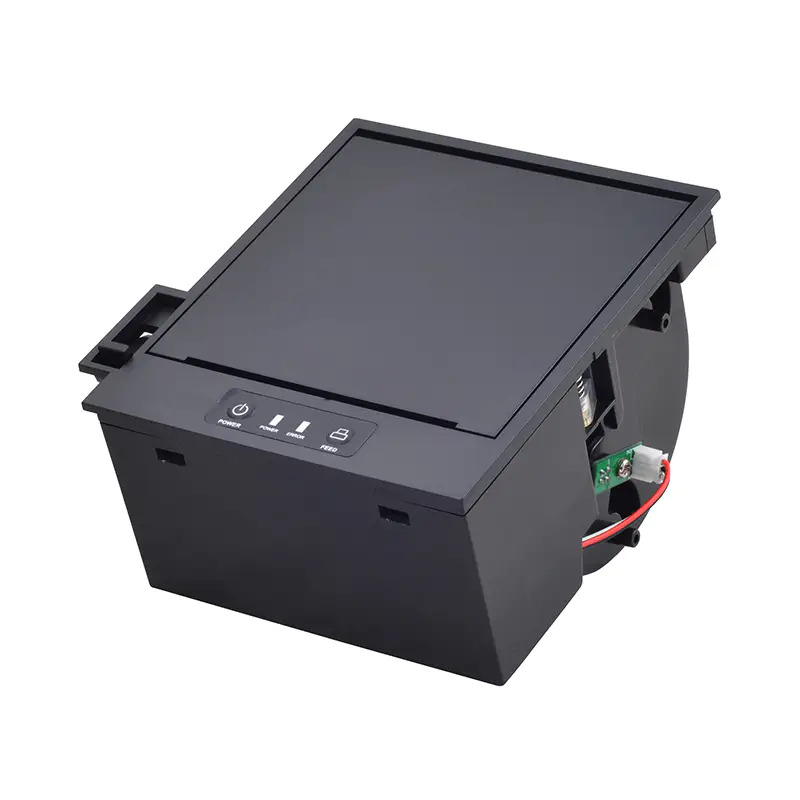
A Panel Printer is a compact printing device that can be integrated directly into industrial machines, control panels, measurement equipment, and automated systems. By providing printed information at the point of operation, it can help connect digital process data with practical manufacturing workflows.
What Is a Panel Printer?
A panel printer is designed for installation within equipment rather than for use as a conventional standalone office printer. Its compact construction makes it suitable for applications where available space is limited and printing needs to be built into a larger machine or system.
Many panel printers use thermal printing technology, which can provide fast output without traditional ink cartridges. This can be useful in manufacturing environments where equipment is expected to operate continuously and routine maintenance needs to be kept manageable.
Applications in Manufacturing
Production Monitoring
Manufacturing equipment can generate information about production quantities, operating cycles, processing times, and machine conditions. A built-in printer can produce selected information for operators or supervisors to review.
Printed production records can also support shift handovers and routine documentation, particularly when workers need a quick reference without accessing a separate computer system.
Quality Control
Quality control processes often involve recording measurements and inspection results. Integrated printing allows relevant data to be documented immediately after testing or inspection.
For example, a production machine may print measurement results or inspection details that can later be attached to a batch record or reviewed by quality personnel.
Machine Status and Maintenance
Industrial machines generate status information that can help maintenance teams identify operating issues. A printer can produce records of machine events, maintenance checks, or selected operating parameters.
Having a physical record can be especially useful during equipment inspections, troubleshooting, or scheduled servicing.
Applications in Automation Systems
Control Panels
Control panels provide operators with information about automated equipment and processes. Integrating a compact printer into the panel can allow important events or operating data to be printed directly from the control system.
This approach can reduce the need for operators to manually copy information from displays and can make records available at the location where the process is being controlled.
Sensors and Measurement Equipment
Automated systems frequently collect measurements from sensors and monitoring devices. When certain readings need to be documented, an integrated printer can generate a physical report based on information received from the connected equipment.
This can be useful in testing stations, process monitoring systems, laboratories, and other industrial applications where measurement records are important.
Alarm and Event Recording
Automation systems may generate alerts when equipment operates outside predefined conditions. Printing selected alarm information can provide operators with a convenient physical reference.
Depending on the system configuration, printed records may include information such as the event type, measurement values, date, and time.
Advantages of Integrated Printing
Using a compact printer within manufacturing or automation equipment can offer several operational benefits:
- Immediate documentation: Information can be printed at the point where it is generated.
- Space efficiency: Compact designs can fit into equipment with limited installation space.
- Reduced manual recording: Automated printing can reduce the need to copy data by hand.
- Easy reference: Physical records can be reviewed without opening a digital system.
- Process support: Printed information can assist with quality checks, maintenance, and production documentation.
Important Selection Considerations
Choosing a printer for an industrial application requires attention to both the printing requirements and the surrounding equipment.
Size and Installation
The printer must fit the available panel or machine space. Engineers should consider mounting dimensions, paper access, and how operators will replace media during routine use.
Communication Interfaces
The printer needs to communicate effectively with the equipment controlling it. Depending on the system, this may involve serial, USB, or other supported interfaces.
Printing Requirements
The required paper width, print speed, character format, and amount of information should be considered before selecting a device. Applications that print short event records may have different requirements from systems producing longer production reports.
Operating Environment
Manufacturing environments can expose equipment to dust, vibration, temperature changes, and frequent use. The printer should therefore be appropriate for the conditions in which it will be installed.
Integrating Printers With Digital Systems
A panel-mounted printer does not have to operate separately from a digital manufacturing system. It can work alongside programmable controllers, industrial computers, monitoring software, and other automation components.
For example, a system can store detailed production data electronically while sending only important measurements, alarms, or summaries to the printer. This creates a practical combination of digital storage and physical documentation.
The Future of Printing in Automation
As manufacturing becomes increasingly connected, most process information will continue to be collected and stored digitally. However, physical documentation remains useful for specific operational tasks.
Integrated printers can therefore complement modern automation rather than compete with digital systems. Their role is likely to remain focused on targeted information such as inspection results, event records, measurements, and production summaries.
Conclusion
Panel printers have a practical role in manufacturing and automation by providing compact, on-site printing for production data, measurements, machine events, quality records, and other operational information. Their ability to integrate with industrial equipment makes them useful where physical documentation is needed without adding a large standalone printer.
When selecting an integrated printing solution, manufacturers should consider installation space, communication compatibility, printing requirements, maintenance, and operating conditions. With the right configuration, printed output can become a useful part of an efficient and well-documented automated production process.