


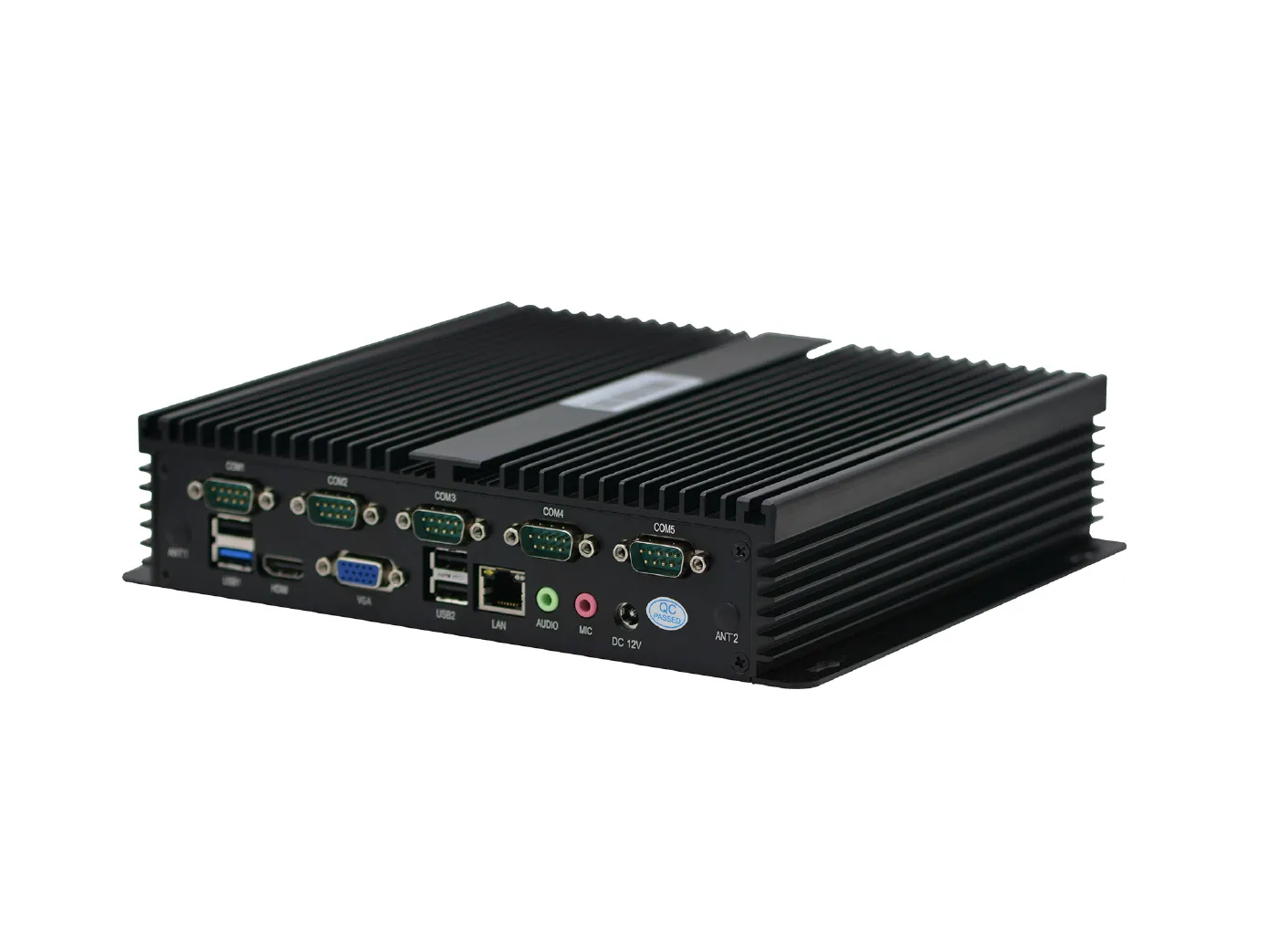
POS Hardware Supplier Services: Installation, Support, and Maintenance
A point-of-sale system is an essential part of many retail, hospitality, and service businesses. While selecting reliable hardware is important, getting that equipment installed correctly and keeping it operational over time can be equally significant.
A POS Hardware Supplier may provide more than individual devices. Depending on the supplier and business requirements, services can include installation guidance, system configuration, technical assistance, maintenance, and hardware replacement. Understanding these services can help businesses evaluate suppliers more effectively.
Why Installation Matters
POS hardware often consists of multiple connected components. Terminals, scanners, printers, cash drawers, payment devices, and displays may all need to communicate with software and network systems.
Incorrect configuration can lead to connectivity problems, printing errors, or devices failing to communicate properly. Professional installation or clear setup support can help businesses establish a more reliable system from the beginning.
Hardware Configuration and Setup
Installation may involve configuring individual devices and connecting them to the wider POS environment. The exact process depends on the hardware, software, and network configuration.
Businesses should clarify what installation services are included before purchasing. Some suppliers may provide complete setup, while others may offer documentation or remote assistance for internal teams.
Technical Support After Installation
Even properly installed equipment can occasionally experience technical issues. Responsive support can help businesses identify problems and restore normal operations more quickly.
When comparing suppliers, ask about support channels, response times, troubleshooting procedures, and the types of issues their teams can address. Clear support arrangements are particularly important for businesses that process transactions throughout the day.
Maintenance Helps Extend Hardware Life
Regular maintenance can help keep POS equipment functioning properly. Dust, frequent handling, software changes, cable problems, and general wear can gradually affect performance.
Simple maintenance practices may include keeping equipment clean, checking connections, inspecting cables, and ensuring devices receive appropriate software or firmware updates when required.
Managing Hardware Repairs
When a POS device develops a fault, businesses need to know how repairs are handled. A supplier may offer troubleshooting assistance, repair services, replacement units, or warranty-related support.
Before selecting a supplier, review the process for reporting faulty equipment. Understanding these procedures in advance can reduce uncertainty when an issue occurs.
Warranty and Replacement Services
Warranty coverage can provide additional protection against certain hardware failures. However, warranty terms vary between manufacturers and suppliers.
Businesses should check:
- Warranty duration
- Covered components
- Exclusions and limitations
- Repair procedures
- Replacement options
- Shipping or service arrangements
Clear warranty information makes it easier to estimate potential costs and understand what assistance is available.
Supporting Software and Hardware Integration
POS hardware does not operate independently. It typically works alongside POS software, payment systems, inventory platforms, and other business technologies.
A supplier with knowledge of hardware integration can help identify compatibility issues before they become operational problems. This can be especially useful when upgrading individual components within an existing POS system.
Maintenance for Different Business Environments
The maintenance requirements of POS equipment can vary depending on where it is used. A retail checkout may experience constant customer interaction, while restaurant equipment may face more demanding conditions during busy service periods.
Businesses should choose equipment and maintenance practices appropriate to their operating environment. Durable hardware, suitable placement, and routine inspections can all contribute to longer equipment life.
Preparing for Hardware Upgrades
Maintenance and support can also help businesses determine when equipment should be upgraded rather than repaired. Repeated failures, outdated technology, limited compatibility, or declining performance may indicate that replacement is more practical.
A supplier can help businesses assess available replacement options while considering compatibility with existing systems. Planning upgrades in advance can reduce disruption to daily operations.
What to Ask a POS Hardware Supplier
Before entering into a supplier relationship, businesses should ask practical questions about services as well as products.
Important questions include:
- Is installation available?
- What type of technical support is provided?
- How are hardware failures handled?
- What does the warranty cover?
- Are replacement units available?
- Is assistance available for system upgrades?
- Are maintenance services offered?
- Which hardware and software platforms are supported?
The answers can reveal whether a supplier is equipped to support the system beyond the initial purchase.
Choosing Support Over Price Alone
Price is an important consideration, but the cheapest hardware may not deliver the best overall value if support is limited. Downtime, difficult repairs, and replacement delays can create additional costs for a business.
Evaluating installation, technical assistance, warranty coverage, maintenance, and replacement services alongside hardware pricing provides a more complete view of the supplier’s value.
Final Thoughts
POS hardware requires ongoing attention to remain reliable and effective. Installation, technical support, maintenance, repairs, and upgrades can all influence the long-term performance of a POS system.
Businesses should therefore evaluate suppliers based on both equipment and service capabilities. Choosing a supplier that can support the hardware throughout its useful life can make POS management easier, reduce operational disruptions, and provide greater confidence as business technology evolves.