


PETG Film in Medical and Healthcare Applications Explained
In modern healthcare environments, material selection plays a critical role in ensuring safety, hygiene, and reliability. From medical packaging to device protection, every component must meet strict performance and regulatory requirements. Among the various polymer materials used today, PETG-based solutions have gained significant attention for their balance of clarity, strength, and processability. Their ability to maintain stability under sterilization conditions and provide excellent transparency makes them highly suitable for medical-grade applications.
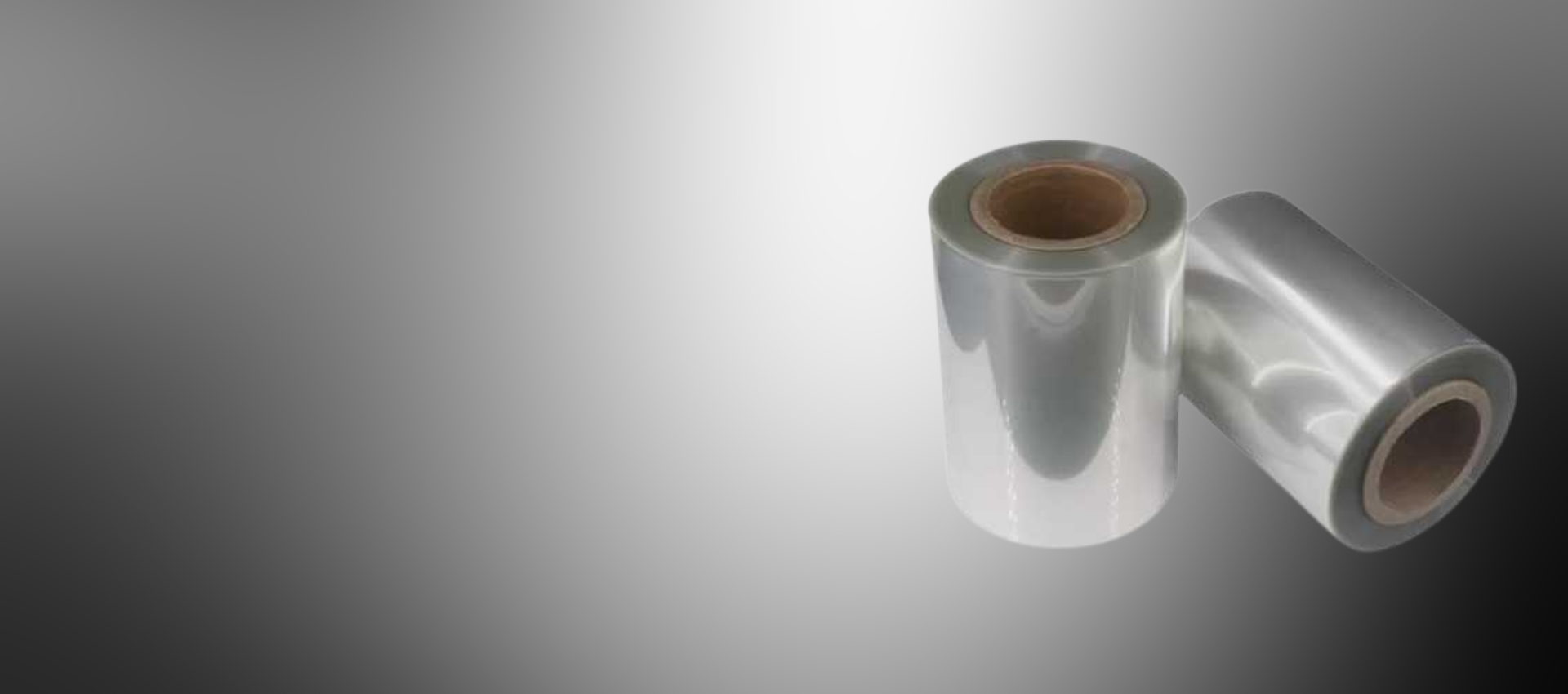
In many healthcare and pharmaceutical uses, manufacturers require materials that are not only safe but also easy to form and visually clear for inspection purposes. This is where advanced polymer solutions become essential. One widely used option in this field is PETG film, which is valued for its excellent impact resistance, chemical stability, and suitability for thermoforming into complex medical packaging structures. Its clarity allows medical staff to easily identify contents, while its toughness helps protect sensitive instruments during storage and transport, making it a reliable choice for both sterile and non-sterile environments.
Table of Contents
ToggleWhy PETG Film Is Suitable for Medical Use
Medical applications demand materials that can withstand strict hygiene protocols, including sterilization processes such as gamma radiation, ethylene oxide (EtO), and chemical disinfection. PETG performs well under these conditions compared to many conventional plastics, maintaining its structural integrity without significant degradation.
Another important factor is biocompatibility. PETG is widely recognized for its safety in indirect medical contact applications, making it suitable for packaging surgical tools, diagnostic kits, and disposable medical components. Its smooth surface also reduces the risk of particle accumulation, supporting cleaner handling conditions in controlled environments.
In addition, PETG offers excellent dimensional stability, ensuring that packaging retains its shape even after thermoforming or long-term storage.
Key Advantages in Healthcare Applications
PETG film offers a combination of physical and functional benefits that make it particularly valuable in the healthcare sector. These advantages include:
- High optical clarity for easy product identification
- Strong impact resistance to protect sensitive medical devices
- Excellent thermoformability for custom packaging designs
- Good chemical resistance for compatibility with disinfectants
- Stable performance under sterilization processes
These characteristics allow PETG to be used in a wide range of medical packaging and device protection applications where reliability is essential.
Medical Packaging and Sterile Barrier Systems
One of the most important uses of PETG in healthcare is sterile packaging. Medical devices and surgical instruments must remain contamination-free until the point of use, requiring packaging materials that can act as reliable barriers against moisture, dust, and microorganisms.
PETG is commonly used in thermoformed trays and blister packs designed for sterile barrier systems. Its rigidity helps maintain package shape, while its transparency allows quick visual inspection without opening the package. This is especially important in hospitals and clinical environments where efficiency and accuracy are critical.
Additionally, PETG can be sealed with compatible lid materials, creating secure packaging systems that maintain sterility throughout transportation and storage.
Thermoforming Performance in Medical Manufacturing
Thermoforming is a widely used manufacturing process in medical packaging production. PETG is particularly well-suited for this process because it softens at relatively low temperatures and forms easily into complex shapes.
This allows manufacturers to produce custom-designed trays for surgical kits, diagnostic tools, and implant packaging. The material retains its clarity even after forming, which is essential for visual inspection and labeling accuracy.
Benefits of PETG in thermoforming include:
- Reduced energy consumption during processing
- High repeatability in mass production
- Ability to form deep and detailed geometries
- Minimal risk of stress whitening or cracking
These advantages make PETG an efficient and cost-effective option for large-scale medical packaging production.
Chemical Resistance and Sterilization Compatibility
Healthcare environments rely heavily on cleaning agents and sterilization chemicals. PETG demonstrates strong resistance to many commonly used disinfectants, ensuring that its performance is not compromised during routine cleaning or sterilization cycles.
It is also compatible with multiple sterilization methods, including:
- Ethylene oxide (EtO) sterilization
- Gamma irradiation (within controlled exposure limits)
- Hydrogen peroxide vapor sterilization
This compatibility ensures that PETG-based medical packaging and components remain functional and safe after treatment, which is essential for maintaining hygiene standards.
Applications Across the Healthcare Sector
PETG is used in a wide variety of medical and healthcare applications due to its versatility and safety profile. Common uses include:
- Surgical instrument packaging
- Diagnostic kit trays and containers
- Medical device protective covers
- Pharmaceutical blister packaging
- Hospital storage and organization trays
Its adaptability allows it to serve both disposable and reusable medical applications, depending on design requirements.
Safety, Compliance, and Sustainability
In addition to performance, regulatory compliance is a key consideration in healthcare materials. PETG is widely accepted in medical packaging applications due to its safety profile and consistent manufacturing quality.
From a sustainability perspective, PETG also offers advantages over many traditional plastics. It can be recycled in certain waste streams and requires relatively low processing temperatures, which helps reduce energy consumption during production.
These factors align with the growing demand for more sustainable healthcare materials that do not compromise safety or performance.
Conclusion
PETG has established itself as a highly reliable material in medical and healthcare applications due to its clarity, strength, and excellent processing behavior. Its ability to perform under sterilization conditions, combined with strong thermoforming capabilities, makes it ideal for medical packaging, device protection, and diagnostic applications.
As healthcare standards continue to evolve, materials like PETG will play an increasingly important role in ensuring safety, efficiency, and sustainability across medical supply chains.