


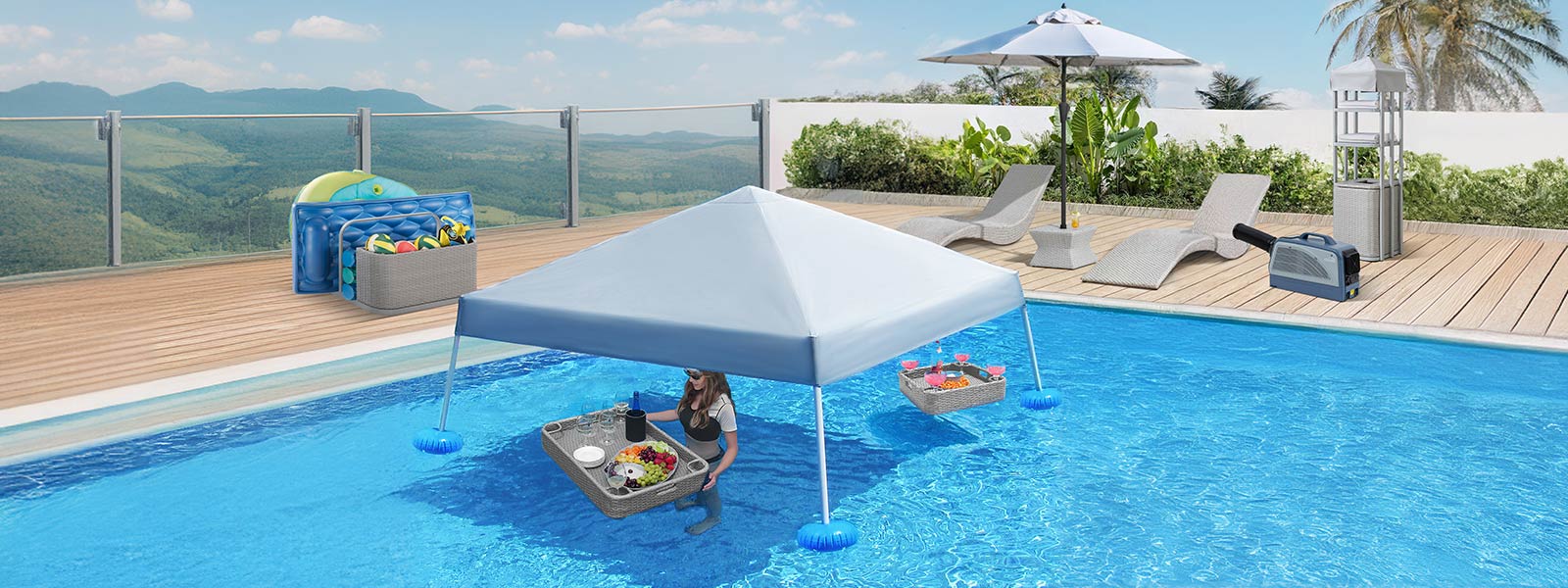
The Different Types of Swimming Pool Equipment and Their Uses
Swimming pools require a combination of equipment to keep the water clean, maintain comfortable temperatures, and provide a safe environment for swimmers. From circulation systems to cleaning tools, each component plays a specific role in keeping a pool functional and easy to maintain. Understanding how these products work can help pool owners make informed decisions and avoid unnecessary expenses.
Whether you own a small residential pool or a larger swimming facility, selecting the right swimming pool equipment and supplies can simplify routine maintenance and improve overall pool performance. Learning about the different equipment categories, their functions, and their maintenance requirements is a practical starting point for anyone responsible for a swimming pool.
1. Pool Pumps and Circulation Systems
Pool pumps are essential for moving water through the filtration system. They draw water from the pool, push it through the filter, and return the filtered water to the swimming area. This circulation helps distribute sanitizing chemicals and prevents water from becoming stagnant.
Types of Pool Pumps
Several types of pumps are available, depending on the pool’s design and operating requirements.
- Single-speed pumps: Operate at one fixed speed and are generally straightforward to use, although they may consume more energy than adjustable-speed alternatives.
- Two-speed pumps: Offer high and low operating speeds, allowing owners to adjust circulation for different tasks.
- Variable-speed pumps: Allow more precise speed adjustments and can reduce electricity consumption when configured correctly.
Choosing a pump requires considering pool volume, plumbing design, filter capacity, and required flow rate. Proper sizing helps maintain circulation without placing unnecessary strain on the system.
2. Pool Filters and Water Filtration Equipment
Filtration equipment removes suspended particles such as dust, dirt, and small debris from circulating water. Although filtration does not replace sanitation, it is an important part of maintaining clear and appealing pool water.
Common Types of Pool Filters
Sand filters use specially graded filter media to capture particles as water passes through. They are popular because they are relatively simple to operate and can be cleaned through backwashing when the system supports it.
Cartridge filters use pleated cartridges that trap debris. They are cleaned by removing and rinsing the cartridges, generally avoiding the need for routine backwashing.
Diatomaceous earth filters use a fine filtering medium to capture very small particles. They can provide excellent filtration but require careful maintenance and proper handling of the filter material.
The most suitable filter depends on the pool’s size, pump specifications, maintenance preferences, and budget. Regular inspection and cleaning help maintain performance and prevent restricted water flow.
3. Pool Cleaning Equipment
Even when circulation and filtration systems work correctly, debris can settle on pool surfaces or collect in corners. Cleaning equipment helps remove these materials before they affect water quality or become more difficult to remove.
Skimmers and Leaf Nets
Skimmers and leaf nets collect floating leaves, insects, and other debris from the water’s surface. Regular skimming reduces the amount of organic material that reaches the filter and helps keep the pool looking clean.
Long-handled nets are useful for reaching distant areas, while built-in skimmer baskets collect debris as water circulates through the system.
Pool Brushes
Pool brushes remove dirt, algae buildup, and residue from walls, floors, steps, and other surfaces. Brush materials should be selected according to the pool finish.
For example, nylon brushes are suitable for many vinyl and fiberglass pools, while some plaster surfaces can accommodate stainless-steel bristles. Always check the pool manufacturer’s recommendations before choosing a brush.
Pool Vacuum Cleaners
Pool vacuums remove debris that settles on the bottom of the pool. Manual vacuums offer direct control, while automatic models can reduce the time required for routine cleaning.
Automatic cleaners generally fall into three categories: suction-side, pressure-side, and robotic cleaners. Each operates differently, so buyers should consider pool dimensions, surface type, debris levels, and operating costs before making a selection.
4. Pool Heating Equipment
Pool heating equipment helps maintain a comfortable water temperature, allowing swimmers to enjoy the pool during cooler weather or for extended periods throughout the year.
Types of Pool Heaters
Gas heaters warm water relatively quickly and can be useful when rapid temperature increases are required. Their operating costs depend on fuel prices and usage.
Electric heat pumps transfer heat from the surrounding air into the pool water. They can be energy-efficient in suitable climates, although heating performance may decline as air temperatures drop.
Solar pool heaters use sunlight to warm circulating water. They can reduce ongoing energy expenses but depend on sunlight, available installation space, and local weather conditions.
When selecting a heater, consider the pool’s water volume, desired temperature, climate, installation costs, and expected frequency of use.
5. Water Testing Kits and Chemical Supplies
Maintaining clear water requires more than removing visible debris. Pool owners must also monitor chemical balance and ensure that the water receives appropriate sanitation.
Water Testing Equipment
Testing kits help measure important water parameters, including:
- pH: Indicates whether water is acidic or alkaline and influences sanitizer effectiveness.
- Free chlorine: Measures the chlorine available for disinfection in chlorine-treated pools.
- Total alkalinity: Helps stabilize pH levels.
- Calcium hardness: Helps manage the risk of scale formation and corrosion.
- Cyanuric acid: Helps protect chlorine from sunlight in outdoor pools that use stabilized chlorine.
Test strips provide a convenient option for routine checks, while liquid testing kits can offer more detailed results. Testing frequency should reflect pool usage, weather, and the sanitation system.
Pool Treatment Chemicals
Common treatment products include chlorine sanitizers, pH adjusters, alkalinity increasers, and calcium hardness products. The exact requirements depend on test results and the pool’s treatment method.
Saltwater pools also require sanitation because salt chlorine generators produce chlorine from dissolved salt. Saltwater systems therefore still need appropriate testing and maintenance.
Always follow product labels and never mix chemicals together. Store pool chemicals securely in accordance with manufacturer instructions.
6. Pool Safety Equipment
Safety equipment helps reduce risks and supports responsible swimming practices. The appropriate setup depends on the pool’s location, intended users, and applicable safety requirements.
Important safety products and features include:
- Pool barriers and secure gates: Help prevent unsupervised access to the swimming area.
- Rescue poles and suitable flotation devices: Provide equipment for responding to emergencies.
- Non-slip surfaces: Help reduce slipping risks around pool edges and steps.
- Pool alarms: May provide an additional warning when unauthorized entry or unexpected activity occurs, depending on the system.
- Safety covers: Certain specially designed covers can help prevent accidental access when properly installed and used.
Not every pool cover is designed to support a person’s weight, and alarms do not replace barriers or supervision. Children must be closely supervised around water, and owners should follow local safety regulations.
7. Pool Lighting and Electrical Accessories
Pool lighting improves visibility and can make swimming areas more practical to use during evening hours. Lighting also helps illuminate steps, entrances, and surrounding spaces.
Common options include underwater LED lights, wall-mounted fixtures, and landscape lighting around the pool deck. LED lighting is often preferred for its energy efficiency and long service life.
Electrical equipment installed near water must be appropriate for the environment and installed according to applicable electrical codes. Pool owners should use qualified professionals for electrical installation and repairs, including the required grounding, bonding, and protective devices.
8. Pool Covers and Maintenance Accessories
Pool covers serve several purposes, depending on their design. They can reduce evaporation, limit debris accumulation, and help retain heat when appropriate for the pool and climate.
Solar covers can help reduce heat loss and evaporation, while automatic covers offer convenience by opening and closing with a powered mechanism. Winter covers are designed for seasonal protection in suitable climates.
Additional accessories, such as thermometers, replacement filter cartridges, skimmer baskets, telescopic poles, and equipment storage containers, can make regular maintenance more convenient.
Before purchasing a cover or accessory, confirm that it fits the pool dimensions and meets the intended purpose. A heat-retaining cover should not automatically be assumed to provide drowning protection.
9. How to Choose the Right Swimming Pool Equipment
The best equipment setup depends on the pool’s specific characteristics rather than the number of products available. Understanding the main selection factors can help owners prioritize essential purchases.
Consider Pool Size and Design
Pool volume, depth, plumbing layout, construction material, and location all influence equipment requirements. A small above-ground pool may need a different pump and filtration system from a large in-ground installation.
Indoor pools may also require humidity management, while outdoor pools often need more frequent debris removal.
Compare Energy Efficiency and Maintenance
Equipment costs include more than the initial purchase price. Electricity, replacement parts, filter media, chemical treatments, and servicing can all contribute to long-term expenses.
Compare energy ratings, maintenance schedules, warranty terms, and the availability of replacement parts before deciding which products offer the best value.
Check Compatibility
Pumps, filters, heaters, and automatic cleaners must be compatible with the pool’s circulation system and plumbing. Incorrect sizing or installation can reduce performance and potentially damage equipment.
Review manufacturer specifications and consult a qualified pool professional when selecting or replacing major components.
Conclusion
Different types of swimming pool equipment work together to maintain water circulation, filtration, sanitation, comfort, and safety. Pumps move water through the system, filters capture particles, cleaning tools remove debris, heaters regulate temperature, and testing kits help maintain appropriate water chemistry.
Understanding the purpose of each category makes it easier to choose equipment that matches your pool’s requirements. By prioritizing compatibility, energy efficiency, proper maintenance, and safety, pool owners can create a reliable system that supports cleaner water and more enjoyable swimming.