


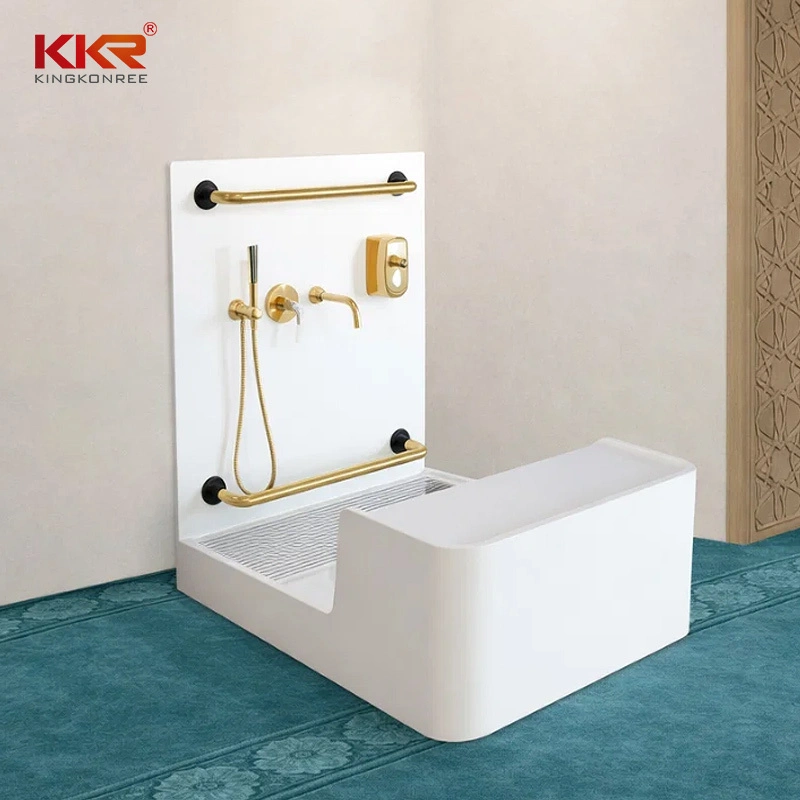
Wudu Basin Designs That Combine Practicality with Modern Style
Wudu Basin Designs That Combine Practicality with Modern Style
A wudu basin is an important feature in Muslim homes, mosques, and prayer facilities, providing a dedicated space for performing ablution before prayer. Modern designs combine traditional requirements with practical features that improve comfort, cleanliness, and the overall appearance of a bathroom or prayer area. Choosing the right basin involves considering its shape, material, installation style, and available space.
Today, homeowners and facility managers can select from a variety of designs that suit both contemporary and traditional interiors. A well-planned Wudu Basin can make daily ablution more convenient while maintaining a clean, organized environment. The ideal option balances ease of use, water management, durability, and visual appeal.
1. Wall-Mounted Wudu Basins for Space Efficiency
Wall-mounted basins are a popular choice for compact bathrooms and dedicated ablution areas. Because they are attached directly to the wall, they leave more floor space available and create a clean, uncluttered appearance.
These basins can also make floor cleaning easier, particularly in areas that experience frequent water splashes. When choosing a wall-mounted model, ensure the wall and mounting system can support its weight and that the plumbing connections are properly installed.
2. Minimalist Designs for Contemporary Interiors
Minimalist wudu basins feature simple lines, smooth surfaces, and understated shapes. Their restrained appearance works well in modern homes, apartments, and newly designed mosque facilities.
Neutral colors such as white, beige, and light gray can complement a wide range of interior styles. A minimalist basin can also be paired with simple faucets, subtle lighting, and practical storage to create a balanced and functional space.
3. Integrated Basins for Better Water Management
An integrated basin combines the washing area and surrounding surface into a coordinated design. Depending on its shape and configuration, it can help guide water toward the drain and reduce pooling around the washing area.
This design is useful in facilities where cleanliness and efficient maintenance are priorities. Look for a basin with a suitable slope, well-positioned drainage, and edges designed to help contain splashes. Proper installation remains essential for effective water management.
4. Durable Materials for Everyday Use
The material of a wudu basin affects its appearance, maintenance requirements, and long-term performance. Several options are available, each with distinct advantages.
- Ceramic: A familiar bathroom material with a smooth surface that is generally easy to clean.
- Porcelain: Often valued for its refined finish and resistance to everyday staining when properly maintained.
- Solid surface: Can offer a seamless, contemporary appearance and may allow repairs to certain surface imperfections, depending on the product.
- Natural stone: Provides a distinctive appearance but may require sealing and specialized care.
When comparing materials, consider how frequently the basin will be used, which cleaning products are suitable, and whether the finish can withstand the conditions of the installation area.
5. Ergonomic Designs for Comfortable Ablution
Comfort should be a central consideration when selecting a wudu basin. The basin’s height, depth, and reach should allow users to wash comfortably without excessive bending or stretching.
For facilities serving people of different ages and physical abilities, accessibility is especially important. Consider clear knee space where appropriate, easy-to-reach faucets, slip-resistant flooring nearby, and sufficient room for users to approach and leave safely.
Before purchasing, measure the installation area and review the manufacturer’s dimensions. A basin that looks attractive in a product image may not be comfortable if it is installed at an unsuitable height.
6. Compact Corner Basins for Small Bathrooms
Corner wudu basins can make use of areas that might otherwise remain unused. Their angled or triangular profiles are particularly helpful in small bathrooms, guest washrooms, and homes with limited floor space.
Although compact models save room, they should still provide enough space for washing without causing excessive splashing. Check the basin’s depth, faucet placement, and distance from nearby walls before installation.
A corner basin can also be paired with wall-mounted accessories to keep the surrounding area organized.
7. Traditional Designs with Modern Finishes
Not every wudu basin needs to follow a minimalist style. Traditional interiors may benefit from gently curved forms, decorative details, or materials that complement existing architectural features.
Modern manufacturing techniques make it possible to combine classic shapes with practical drainage systems and easy-to-maintain surfaces. Coordinating the basin with wall tiles, faucets, and other bathroom fixtures can create a consistent appearance without sacrificing usability.
The key is to choose decorative features that do not make cleaning difficult or interfere with comfortable washing.
8. Smart Faucet and Drainage Options
Faucets and drainage components influence how convenient a wudu basin is to use. Single-lever mixers allow users to adjust water temperature and flow with one hand, while sensor-operated faucets can reduce unnecessary contact in busy facilities.
Water-saving faucets and aerators may also help control consumption, provided they deliver enough flow for the intended washing tasks. Drainage should be sized appropriately, and the installation should include suitable plumbing connections to prevent leaks and standing water.
For mosques and other high-use locations, select components designed for frequent operation and ensure replacement parts are readily available.
9. Coordinated Basin and Storage Solutions
A well-designed ablution area should provide space for essential items without creating clutter. Depending on the layout, a basin may be paired with a compact shelf, towel holder, or enclosed storage unit.
Wall-mounted accessories can keep frequently used items within reach while leaving the floor easier to clean. In shared facilities, choose moisture-resistant storage materials and position accessories so they do not obstruct movement or create sharp edges near the washing area.
Keep the immediate basin area simple enough for routine cleaning and safe movement.
10. Choosing the Right Wudu Basin for Your Space
The best design depends on where the basin will be installed and how many people are likely to use it. A private home may prioritize appearance and compact dimensions, while a mosque may need multiple basins, durable components, and a layout that accommodates frequent use.
Before making a decision, consider the following factors:
- Available space: Measure the width, depth, and height of the intended installation area.
- User comfort: Choose dimensions that support natural movement and convenient access.
- Material quality: Compare durability, cleaning needs, and resistance to common bathroom conditions.
- Water management: Check the basin’s slope, drain position, and splash-control features.
- Installation requirements: Confirm wall support, plumbing access, and compatibility with existing fittings.
- Maintenance: Select a finish and design that can be cleaned without specialized effort.
- Overall style: Coordinate the basin with the surrounding tiles, fixtures, and interior design.
For shared ablution facilities, it is also important to plan adequate space between basins and provide flooring that remains safe when wet.
Conclusion
Wudu basin designs have evolved to accommodate modern interiors while supporting the practical needs of daily ablution. Wall-mounted models, integrated designs, compact corner basins, and durable surface materials each offer benefits for different settings.
By focusing on comfort, efficient drainage, easy maintenance, and appropriate dimensions, homeowners and facility managers can choose a basin that performs well over time. A thoughtful design brings together function and style, creating an ablution area that is comfortable, hygienic, and visually consistent with its surroundings.