


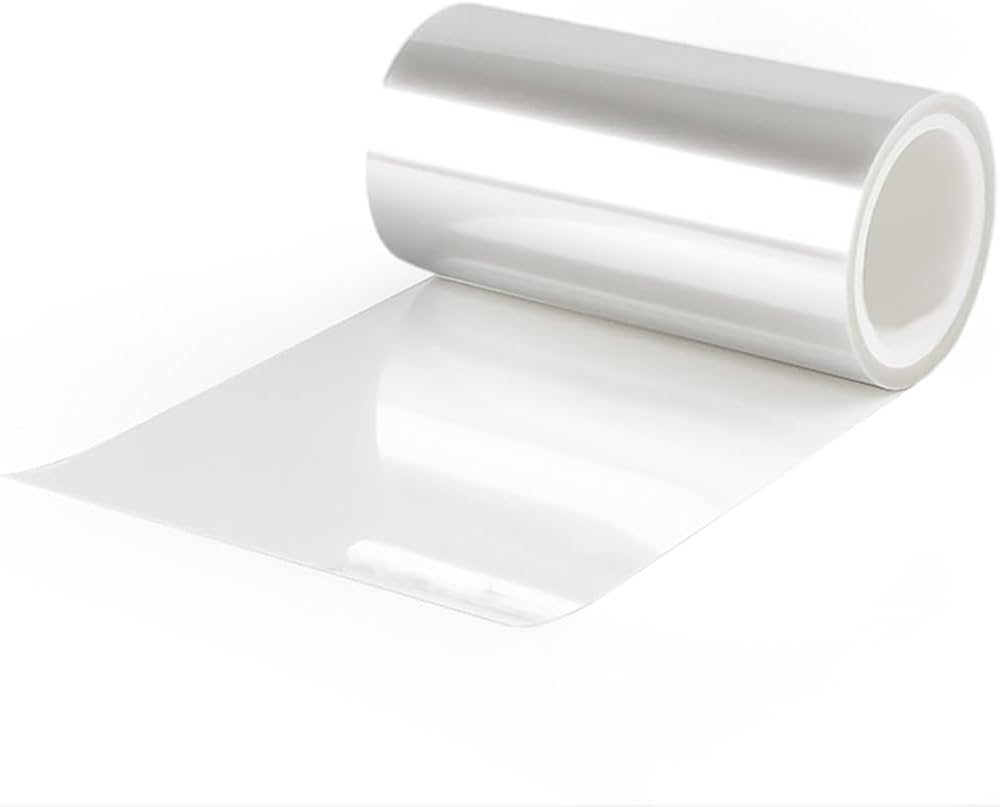
10 Important Factors to Consider When Selecting PVC Transparent Film Manufacturers
Selecting the right material supplier can have a significant impact on product quality, production efficiency, and overall business costs. For companies that use transparent PVC film in packaging, industrial manufacturing, or commercial products, choosing a dependable manufacturer is an important part of maintaining a stable supply chain.
Not all suppliers offer the same product specifications, production capabilities, or quality-control procedures. Comparing PVC Transparent Film Manufacturers requires businesses to look beyond pricing and consider factors such as material consistency, technical support, customization, and delivery reliability. Understanding these considerations can help purchasing teams make informed decisions and establish productive long-term supplier relationships.
1. Product Quality and Consistency
Product quality should be the first consideration when evaluating a PVC film manufacturer. Transparent PVC film is available in different grades and formulations, and its properties can vary depending on manufacturing methods and material composition.
A reliable manufacturer should be able to produce film that consistently meets agreed specifications.
Important quality characteristics include:
- Uniform thickness throughout the roll.
- Consistent transparency and surface appearance.
- Suitable flexibility for the intended application.
- Appropriate mechanical strength.
- Minimal visible defects, scratches, or contamination.
Ask the manufacturer how product quality is monitored during production. Consistency between batches is especially important for businesses that place repeat orders.
2. Manufacturing Experience and Industry Knowledge
A manufacturer’s experience can provide useful insight into its understanding of PVC film production and customer requirements.
Companies with relevant industry experience may be more familiar with the challenges associated with different applications, such as packaging, protective covers, stationery, and industrial components.
When reviewing a manufacturer’s background, consider:
- Years of experience in PVC film production.
- Industries and markets served.
- Knowledge of different film grades.
- Experience with customized specifications.
- Ability to provide application-related recommendations.
Experience should be considered alongside measurable product quality and production capabilities rather than treated as a guarantee of performance.
3. Available Thicknesses and Product Specifications
Different applications require different film thicknesses and physical properties. A material suitable for lightweight packaging may not be appropriate for a protective industrial cover.
Before choosing a manufacturer, confirm that its product range matches your technical requirements.
Review specifications such as:
- Film thickness and tolerance.
- Roll width and length.
- Transparency and haze.
- Flexibility and hardness.
- Tensile strength and elongation.
- Surface finish.
A manufacturer that offers several product grades may provide greater flexibility when your business serves different markets or develops new products.
4. Production Capacity and Equipment
Production capacity determines whether a manufacturer can fulfill your current orders and support future demand.
Businesses purchasing large quantities should evaluate the supplier’s manufacturing facilities, production processes, and ability to maintain consistent output.
Ask questions about:
- Available production lines.
- Monthly manufacturing capacity.
- Standard production lead times.
- Equipment maintenance and process monitoring.
- Ability to handle urgent or increased orders.
- Capacity for repeat production.
Suitable production equipment and effective process controls can help manufacturers maintain consistent thickness, appearance, and other important film characteristics.
5. Quality Control and Testing Procedures
A professional manufacturer should have a structured approach to quality assurance. Testing helps identify material variations and confirms whether the finished film meets the required specifications.
Depending on the product and application, quality checks may include:
| Quality Check | What It Evaluates |
|---|---|
| Thickness measurement | Uniformity and dimensional tolerance |
| Transparency testing | Clarity and optical performance |
| Surface inspection | Scratches, marks, and visible defects |
| Tensile testing | Resistance to pulling forces |
| Elongation testing | Stretching behavior |
| Thermal evaluation | Response to relevant processing temperatures |
Ask whether the manufacturer can provide technical data sheets, inspection records, and relevant test reports.
For regulated applications, verify that the specific film grade has the necessary approvals and supporting documentation.
6. Customization and Product Flexibility
Every business has different material requirements. Some buyers need standard film rolls, while others require specific dimensions, thicknesses, finishes, or formulations.
Customization can help manufacturers produce materials that fit particular production processes.
Before selecting a supplier, find out whether it offers:
- Customized roll widths.
- Different thickness options.
- Various flexibility levels.
- Specific surface finishes.
- Customized packaging.
- Application-specific formulations.
Also confirm minimum order quantities and additional costs associated with customized production.
A manufacturer that understands your technical requirements can help reduce the need for unnecessary material adjustments during production.
7. Pricing and Overall Purchasing Value
Price is an important consideration, particularly when purchasing PVC film in bulk. However, the lowest quotation does not necessarily offer the best overall value.
Inconsistent material quality can increase production waste, cause processing interruptions, and create additional expenses.
When comparing manufacturers, evaluate the complete purchasing cost, including:
- Unit price.
- Minimum order quantity.
- Shipping and transportation.
- Packaging expenses.
- Customization charges.
- Payment conditions.
- Potential costs associated with defective products.
Request quotations based on the same specifications to make supplier comparisons more accurate.
The objective should be to find a manufacturer that provides an appropriate balance between product quality, pricing, and service reliability.
8. Delivery Performance and Supply Reliability
Timely material delivery is essential for businesses that operate on regular production schedules. Delayed shipments can interrupt manufacturing and affect customer commitments.
Before choosing a manufacturer, review its ability to fulfill orders within agreed timelines.
Consider asking about:
- Average production lead times.
- Order scheduling procedures.
- Shipping arrangements.
- Export experience, if applicable.
- Inventory availability.
- Communication during unexpected delays.
It is also useful to discuss how the supplier manages changes in demand and whether it can support regular deliveries.
A dependable supply arrangement can help businesses plan inventory more effectively and reduce the risk of material shortages.
9. Technical Support and Customer Service
Good communication is an important part of a successful supplier relationship. Buyers may need assistance with material selection, processing conditions, product specifications, or quality concerns.
A responsive manufacturer should be able to answer technical questions clearly and provide relevant product information.
Evaluate whether the supplier:
- Responds promptly to inquiries.
- Explains product specifications accurately.
- Helps identify suitable film grades.
- Provides samples for evaluation.
- Handles complaints professionally.
- Offers support for repeat orders.
Technical support is especially valuable when introducing a new film grade or adjusting an existing manufacturing process.
10. Reputation, Compliance, and Long-Term Reliability
The final consideration is whether the manufacturer can be trusted as a long-term business partner.
Research the supplier’s reputation by reviewing independent customer feedback, industry references, and available business information.
You should also verify relevant regulatory and environmental documentation. If the film is intended for food-contact, medical, or other regulated applications, confirm that the exact product grade meets the requirements of the intended market.
PVC recycling possibilities also vary according to local facilities, formulation, and contamination. Manufacturers should be able to provide relevant material information to help buyers understand handling and end-of-life considerations.
Before entering a long-term agreement, establish clear written terms covering product specifications, order quantities, delivery schedules, payment conditions, and procedures for handling nonconforming goods.
Additional Tips Before Placing a Bulk Order
After evaluating potential manufacturers, take a few practical steps before confirming a large purchase.
- Request samples: Examine the material and test it under actual production conditions.
- Compare technical data: Check that all suppliers are quoting equivalent specifications.
- Confirm tolerances: Agree on acceptable variations in thickness and other key properties.
- Check documentation: Request relevant product data sheets and test reports.
- Start with a manageable order: Where practical, use an initial order to evaluate product and delivery consistency.
- Keep an approved reference sample: Use it to compare future batches.
- Confirm commercial terms: Make sure all specifications and delivery expectations are documented.
These steps can help reduce uncertainty and make supplier selection more systematic.
Conclusion
Choosing the right PVC transparent film manufacturer involves more than comparing product prices. Businesses should evaluate quality consistency, manufacturing experience, technical specifications, production capacity, testing procedures, customization options, and delivery performance.
Reliable technical support, clear documentation, and a strong business reputation are also important when establishing a long-term supply relationship.
By assessing these ten factors and testing samples before bulk purchasing, businesses can make more confident sourcing decisions, reduce material-related risks, and maintain dependable production operations.