


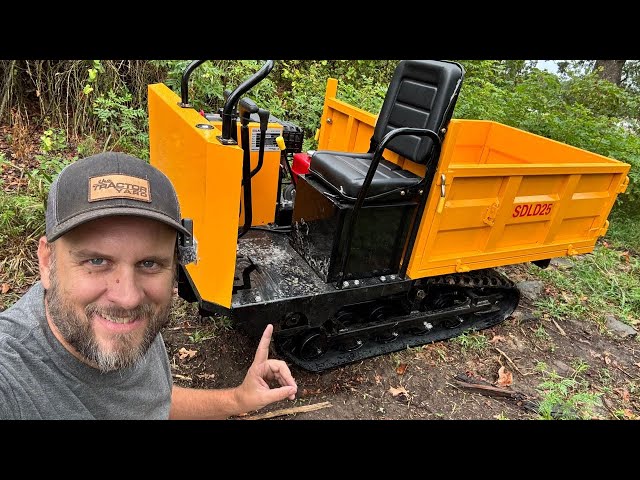
Choosing the Right Crawler Dumper Truck for Heavy-Duty Tasks
Selecting the right equipment for heavy-duty material handling is a crucial decision in construction, mining, landscaping, and infrastructure projects. The wrong machine can lead to inefficiency, higher operational costs, and increased downtime, while the right one significantly improves productivity and safety on site.
A crawler dumper truck is often chosen for demanding environments because of its strong load capacity, tracked mobility, and ability to operate on rough or unstable terrain. However, not all models are suitable for every task, so understanding key selection factors is essential before making an investment.
Table of Contents
ToggleUnderstanding Load Requirements
The first step in choosing the right crawler dumper truck is evaluating the required load capacity. Different projects involve different material weights, and selecting a machine that matches those needs ensures both safety and efficiency.
Key considerations include:
- Average weight of transported materials
- Maximum load per trip
- Frequency of transport cycles
- Type of materials being handled
Choosing a machine with appropriate capacity helps prevent overloading and reduces mechanical stress.
Terrain and Working Environment
Terrain conditions play a major role in determining the most suitable machine. Crawler dumper trucks are designed for off-road performance, but different models may perform better in specific environments.
Important terrain factors include:
- Soft or muddy ground conditions
- Rocky or uneven surfaces
- Sloped or hilly terrain
- Confined or narrow workspaces
Machines with wider tracks and reinforced undercarriages are typically better suited for more challenging environments.
Engine Power and Performance Needs
Engine capacity directly affects how well a crawler dumper truck performs under heavy loads. A more powerful engine is required for demanding applications, especially in steep or rugged terrain.
P=WtP = \frac{W}{t}P=tW
This expression helps illustrate power as work done over time, which is directly related to how efficiently a machine handles heavy-duty tasks.
Key performance factors include:
- Engine torque for uphill movement
- Fuel efficiency during continuous operation
- Cooling system reliability under load
- Ability to maintain consistent power output
Selecting the right engine ensures balanced performance and operational efficiency.
Hydraulic System Efficiency
The hydraulic system is essential for lifting and dumping operations. A well-designed system ensures smooth material handling and reduces strain on the machine.
Key hydraulic considerations include:
- Lifting capacity of the dump bed
- Smooth and controlled dumping speed
- Resistance to pressure loss or leakage
- Durability of hydraulic components
Efficient hydraulic systems improve both safety and productivity during operation.
Size and Maneuverability
In heavy-duty applications, size still matters. Some job sites require compact machines that can operate in confined spaces, while others need larger models for bulk transport.
Key factors include:
- Machine width for narrow pathways
- Turning radius for tight areas
- Overall length and transport flexibility
- Ground clearance for uneven terrain
Choosing the right size ensures better adaptability to job site conditions.
Durability and Build Quality
Heavy-duty tasks place significant stress on equipment, making durability a key selection factor. A well-built machine reduces maintenance costs and increases long-term reliability.
Important durability features include:
- Reinforced steel chassis
- Heavy-duty track systems
- Corrosion-resistant materials
- High-quality welding and assembly standards
Strong build quality ensures consistent performance in demanding environments.
Safety Features and Operator Control
Safety is a critical consideration when selecting construction machinery. Advanced safety features help protect both operators and equipment during operation.
Common safety features include:
- Stable low-center-of-gravity design
- Emergency stop systems
- Reliable braking mechanisms
- Clear operator visibility and controls
Good control systems also reduce operator fatigue and improve accuracy.
Maintenance and Service Support
Maintenance requirements and manufacturer support should also be considered when choosing equipment. Easy maintenance helps reduce downtime and keeps machines operating efficiently.
Key aspects include:
- Availability of spare parts
- Ease of routine maintenance
- Access to technical support
- Clear maintenance scheduling guidelines
Reliable support ensures long-term operational stability.
Conclusion
Choosing the right crawler dumper truck for heavy-duty tasks requires careful evaluation of load capacity, terrain conditions, engine performance, and machine durability. Each factor plays a role in ensuring safe, efficient, and cost-effective operation across demanding job sites.
By selecting a machine that matches specific project requirements, operators can improve productivity, reduce operational risks, and ensure long-term equipment reliability in construction, mining, and other heavy-duty industries.