


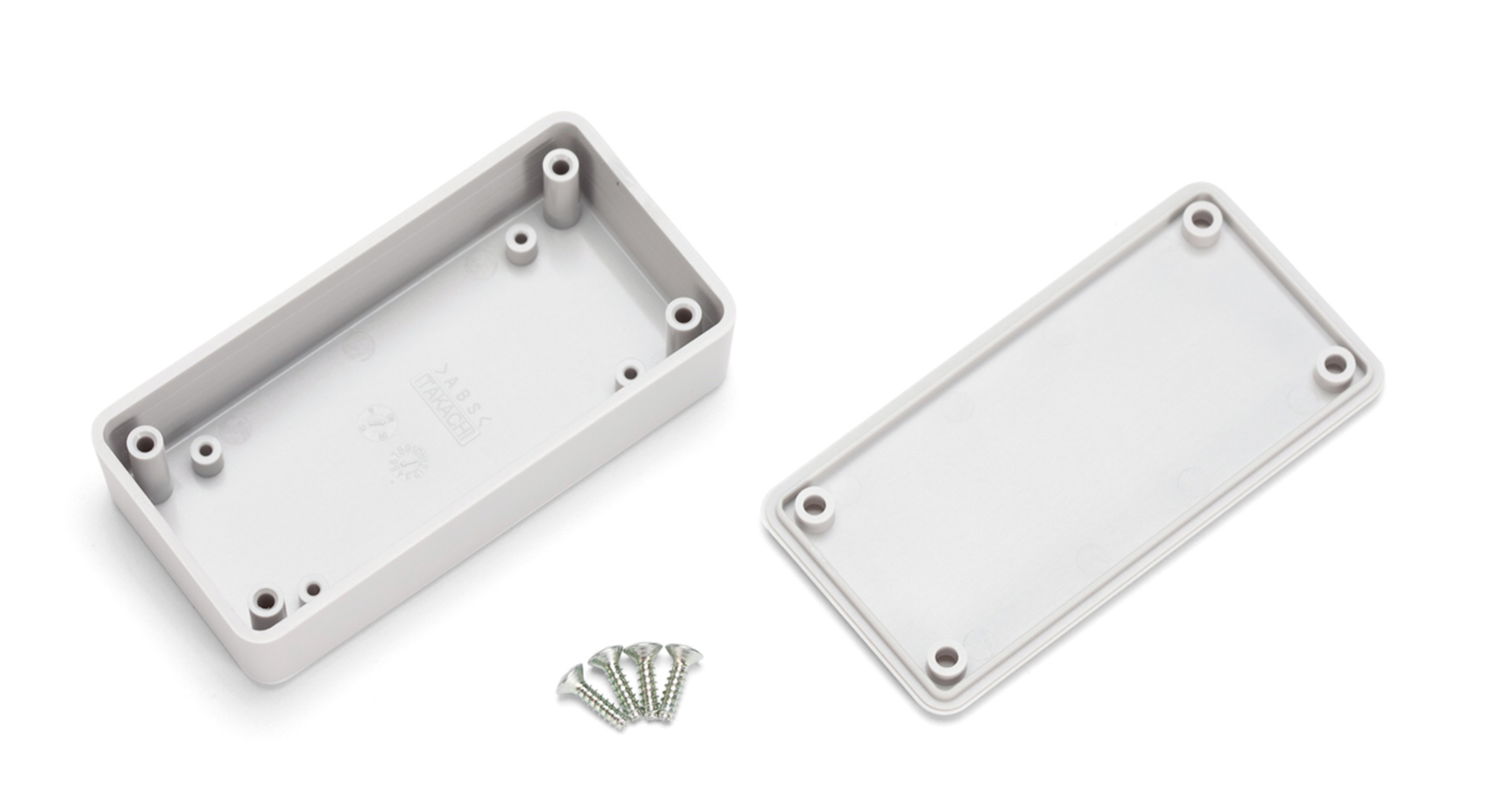
How ABS Plastic Enclosures Protect Electrical and Electronic Components
ABS plastic enclosures play a critical role in safeguarding electrical and electronic systems across a wide range of industries. From consumer gadgets to industrial automation equipment, these enclosures are designed to provide a strong protective barrier against physical damage, environmental exposure, and electrical hazards. Their growing popularity is driven by their balance of durability, affordability, and design flexibility.
In modern engineering and product design, choosing the right protective housing is essential for long-term performance and safety. An abs plastic enclosure is widely used because it offers reliable impact resistance while remaining lightweight and easy to customize for different applications. This makes it suitable for both simple and complex electronic systems that require consistent protection without adding unnecessary weight or cost.
Table of Contents
ToggleThe Role of ABS Plastic Enclosures in Component Protection
Electrical and electronic components are highly sensitive to external conditions such as dust, moisture, and mechanical stress. ABS plastic enclosures act as a protective shell that isolates these components from harmful environmental factors.
They are commonly used to house circuit boards, sensors, control units, and power supplies. By providing a stable and secure casing, they reduce the risk of short circuits, corrosion, and accidental damage. This ensures that devices operate efficiently and maintain a longer service life.
Key Protective Features of ABS Plastic
ABS (Acrylonitrile Butadiene Styrene) is a thermoplastic material known for its strong mechanical properties. Its unique composition gives it several protective advantages that make it suitable for electronic enclosures.
Some of the key protective features include:
- High impact resistance that prevents cracking or breakage under stress
- Strong structural integrity for long-term durability
- Electrical insulation properties that reduce the risk of current leakage
- Resistance to moderate heat, making it suitable for internal electronic environments
- Lightweight construction that does not compromise strength
These characteristics make ABS enclosures a reliable choice in both consumer and industrial applications.
Protection Against Environmental Factors
One of the major advantages of ABS plastic enclosures is their ability to withstand various environmental conditions. While they are not fully waterproof by default, they can be designed with seals and gaskets to improve protection against dust and moisture.
They also perform well in indoor environments where temperature fluctuations and humidity may affect electronic performance. In addition, ABS material is resistant to many common chemicals, reducing the risk of surface degradation in industrial settings.
This level of environmental protection helps ensure consistent device performance, even in challenging operating conditions.
Applications Across Industries
ABS plastic enclosures are used in a wide variety of industries due to their versatility and adaptability. Their ability to be molded into different shapes and sizes makes them suitable for customized electronic designs.
Common applications include:
- Industrial automation systems and control panels
- Consumer electronics such as routers, adapters, and smart devices
- Medical equipment housings requiring safe and stable protection
- Communication systems and networking devices
- Automotive electronics and sensor modules
In each of these applications, the enclosure serves as a critical barrier that enhances product reliability and safety.
How to Choose the Right ABS Plastic Enclosure
Selecting the appropriate enclosure requires careful consideration of the application environment and device requirements. Engineers and designers typically evaluate several key factors before making a decision.
Important considerations include:
- Required size and internal component layout
- Level of protection against dust, moisture, or impact
- Mounting style and installation method
- Ventilation needs for heat dissipation
- Customization options such as cutouts or mounting holes
By selecting the right design, manufacturers can ensure optimal performance and extended product lifespan.
Conclusion
ABS plastic enclosures are an essential solution for protecting electrical and electronic components in a wide range of applications. Their combination of strength, insulation, and adaptability makes them ideal for modern electronic systems that require reliable housing solutions. As technology continues to advance, these enclosures will remain a key part of ensuring safety, durability, and efficiency in electronic design.