


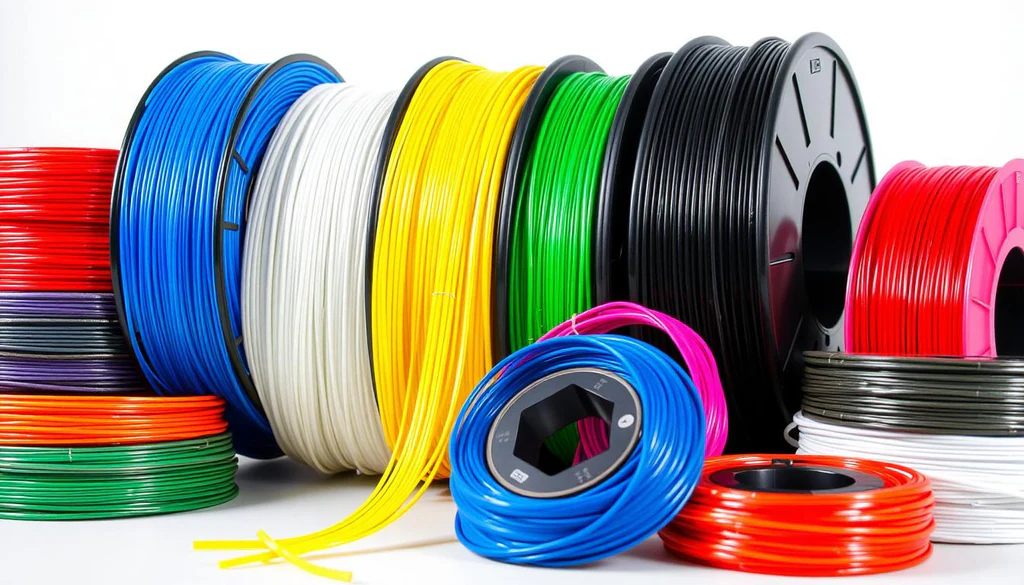
Choosing PETG for Your Project: Strength, Clarity, and Performance
Selecting the right material is a critical step in any 3D printing or manufacturing project. PETG has become a preferred choice for many users because it offers a strong balance between durability, visual quality, and ease of use. Whether you are creating functional parts or aesthetic designs, PETG delivers consistent and reliable results.
One of the key advantages of PETG is its versatility across different applications. It combines the user-friendly nature of PLA with the strength of more advanced materials, making it suitable for both beginners and experienced professionals. This adaptability makes it a practical option for a wide range of projects.
Table of Contents
ToggleUnderstanding PETG as a Material
PETG (Polyethylene Terephthalate Glycol) is a thermoplastic polymer modified to enhance flexibility and reduce brittleness. This modification improves its durability and allows it to withstand mechanical stress without cracking.
Unlike some other materials, PETG offers a smooth and often glossy finish. It can also produce semi-transparent or clear prints, making it ideal for projects where appearance is as important as performance.
Strength: Reliable for Functional Applications
PETG is known for its excellent strength and durability. It performs well in situations where parts must handle stress, movement, or repeated use.
Why Strength Matters
- High impact resistance compared to PLA
- Strong layer bonding in 3D printing
- Suitable for load-bearing parts
- Reduced risk of cracking or breaking
This makes PETG ideal for mechanical components, brackets, and protective enclosures that require long-term reliability.
Clarity: Ideal for Visual and Transparent Designs
One of PETG’s standout features is its ability to produce clear or semi-transparent prints. This makes it a popular choice for applications where visibility or aesthetics are important.
Applications Benefiting from Clarity
- Light covers and diffusers
- Display cases and packaging
- Fluid containers and tubes
- Decorative and design elements
The glossy finish also enhances the overall appearance of printed parts, giving them a professional look.
Performance: Balanced and Consistent
PETG offers well-rounded performance across multiple factors, making it a dependable material for diverse use cases.
Ease of Printing
PETG is easier to print than ABS and less prone to warping. It adheres well to the print bed and does not require a fully enclosed printing environment.
Temperature Resistance
While not as heat-resistant as ABS, PETG performs better than PLA in moderately warm conditions. It maintains its shape and strength in everyday environments.
Chemical and Moisture Resistance
PETG resists exposure to water, chemicals, and humidity. This makes it suitable for outdoor use and environments where materials may come into contact with liquids.
Flexibility
Its slight flexibility helps absorb stress and prevents sudden breakage. This is especially useful for parts that experience movement or pressure.
When to Choose PETG for Your Project
PETG is a strong choice when your project requires a balance of strength, appearance, and ease of use.
Best Use Cases
- Functional prototypes
- Mechanical parts and enclosures
- Outdoor components
- Food-safe containers (depending on filament quality)
- Transparent or semi-transparent designs
It is particularly useful when you need durability without the complexity of printing materials like ABS.
Limitations to Keep in Mind
Although PETG offers many advantages, it is important to consider its limitations:
- Can be prone to stringing during printing
- Slightly more flexible than rigid materials
- Surface can scratch more easily
- Not suitable for very high-temperature applications
By adjusting print settings and understanding these factors, you can achieve better results.
Tips for Getting the Best Results with PETG
To maximize PETG’s performance, consider the following tips:
- Use a nozzle temperature between 220°C and 250°C
- Set the bed temperature around 70°C to 90°C
- Adjust retraction settings to reduce stringing
- Use moderate cooling for better layer adhesion
Proper setup ensures smoother prints and stronger final parts.
Conclusion
PETG is an excellent material choice for projects that demand strength, clarity, and balanced performance. Its ability to combine durability with visual appeal makes it suitable for a wide range of applications, from functional components to aesthetically refined designs.
For users looking for a reliable and versatile material, PETG offers a practical solution that delivers both performance and ease of use.