


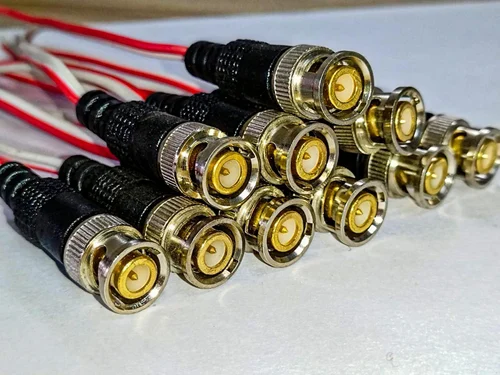
CCTV BNC Cables: Types, Lengths, and Common Applications
Reliable cabling is one of the most important parts of any surveillance system. While cameras and recording devices often receive the most attention, the quality of the cable connection directly affects video clarity and system stability. In traditional analog surveillance systems, BNC cables remain a widely used solution for transmitting video signals between CCTV cameras and recording equipment.
Designed for secure connectivity and efficient signal transfer, cctv bnc cables are commonly found in residential, commercial, and industrial monitoring systems. Their durable structure and compatibility with various CCTV technologies make them suitable for both small and large-scale installations.
Table of Contents
ToggleUnderstanding CCTV BNC Cables
BNC stands for Bayonet Neill-Concelman, a connector type developed for coaxial cable systems. These connectors use a locking mechanism that helps maintain a secure connection even in environments where vibration or movement may occur.
CCTV BNC cables are primarily used in analog and HD-over-coax surveillance systems. They transfer video data from the camera to a DVR or monitor while helping reduce signal interference.
The cable structure usually includes:
- A center conductor for transmitting signals
- Insulation to protect the signal path
- Metal shielding to minimize interference
- An outer jacket for physical protection
This layered construction contributes to stable and consistent video transmission.
Main Types of CCTV BNC Cables
Different CCTV systems require different cable configurations depending on installation size, transmission distance, and environmental conditions.
RG59 Coaxial Cable
RG59 is one of the most common choices for CCTV installations. It is lightweight, flexible, and suitable for shorter cable runs. Many residential and small office systems rely on RG59 because it offers dependable performance for standard surveillance setups.
RG6 Coaxial Cable
RG6 cables feature thicker insulation and stronger shielding than RG59. They are often selected for larger installations or areas where electromagnetic interference may affect signal quality.
Because of their lower signal loss, RG6 cables are preferred for longer-distance video transmission.
Siamese BNC Cable
Siamese cables combine video and power wiring into a single cable assembly. This design simplifies installation by reducing cable clutter and minimizing setup time.
These cables are especially useful for installations involving multiple cameras.
Choosing the Right Cable Length
Cable length plays an important role in surveillance performance. Excessive cable distance can weaken the signal and reduce image quality.
Short-Distance Installations
For homes, small shops, or offices, shorter cable runs are typically sufficient. RG59 cables often perform well in these situations without noticeable signal degradation.
Medium-Distance Installations
Commercial buildings and warehouses may require moderate cable lengths between cameras and recording systems. In such cases, better-shielded cables can help maintain consistent video quality.
Long-Distance Installations
Industrial facilities, parking areas, and outdoor surveillance systems may require extended cable runs. Choosing higher-quality coaxial cables with strong shielding becomes more important for maintaining stable signals over longer distances.
Signal amplifiers or repeaters may also be used when necessary.
Common Applications of BNC Cables
BNC cables continue to be widely used across various surveillance environments because of their reliability and ease of installation.
Home Security Systems
Many homeowners use analog CCTV systems to monitor entry points, garages, and outdoor areas. BNC cables provide a stable connection that supports continuous recording and monitoring.
Retail and Commercial Spaces
Retail stores, office buildings, and shopping centers often depend on CCTV systems for security and operational monitoring. Reliable cabling helps ensure uninterrupted footage for safety and loss prevention.
Manufacturing and Industrial Sites
Factories and industrial environments may expose cables to dust, heat, or vibration. Durable BNC cables with proper shielding help maintain system performance under challenging conditions.
Transportation and Public Areas
Bus stations, parking facilities, and public infrastructure frequently use surveillance systems that require dependable long-distance signal transmission.
Advantages of Using BNC Cables
Despite the rise of IP-based surveillance systems, BNC cables remain popular for several practical reasons.
Stable Signal Transmission
Coaxial cable shielding helps protect video signals from electrical interference, reducing image distortion.
Easy Installation
BNC connectors are simple to connect and secure, making installation and maintenance more manageable.
Strong Compatibility
Many DVRs, analog cameras, and HD-over-coax systems support BNC connectivity.
Cost-Effective Upgrades
Existing analog systems can often be upgraded to higher-definition cameras without replacing the entire cable infrastructure.
Tips for Proper Installation
Correct installation helps improve system performance and extend cable lifespan.
Important installation practices include:
- Avoid placing cables near high-voltage electrical lines
- Protect outdoor cables from moisture and sunlight
- Use secure connectors to prevent signal interruptions
- Label cables for easier maintenance
- Test all connections before final setup
Proper cable management also improves troubleshooting efficiency in larger surveillance systems.
Conclusion
CCTV BNC cables remain an essential component in many video surveillance systems due to their durability, signal stability, and broad compatibility. From short residential installations to large industrial projects, these cables support reliable video transmission across different environments.
Understanding the various cable types, selecting the correct length, and following proper installation practices can help ensure long-term surveillance performance. As security technology continues to evolve, BNC cables continue to provide a dependable foundation for many monitoring systems.