


How Lab Grown Diamond Manufacturers Support Jewelry Retailers and Wholesalers
The growing popularity of lab grown diamonds has created new opportunities for jewelry retailers and wholesalers. As more consumers explore alternatives to mined diamonds, businesses need reliable suppliers who can provide consistent quality, competitive pricing, and a dependable supply of products. Manufacturers play an important role in helping jewelry businesses respond to these changing market expectations.
A trusted Lab Grown Diamond Manufacturer can support retailers and wholesalers through a combination of production expertise, product variety, quality control, and flexible business services. Understanding how manufacturers contribute to the jewelry supply chain can help businesses make better sourcing decisions and build stronger customer relationships.
1. Providing a Consistent Supply of Lab Grown Diamonds
Reliable inventory is essential for both jewelry retailers and wholesalers. Retailers need enough products to meet customer demand, while wholesalers must maintain stock to serve multiple business clients.
Manufacturers help address these needs by managing production schedules and maintaining organized supply processes. A dependable production partner can make it easier for businesses to plan orders, manage inventory, and reduce disruptions.
Consistent availability is particularly important during seasonal shopping periods and promotional campaigns, when demand may increase quickly.
2. Offering a Wide Range of Diamond Options
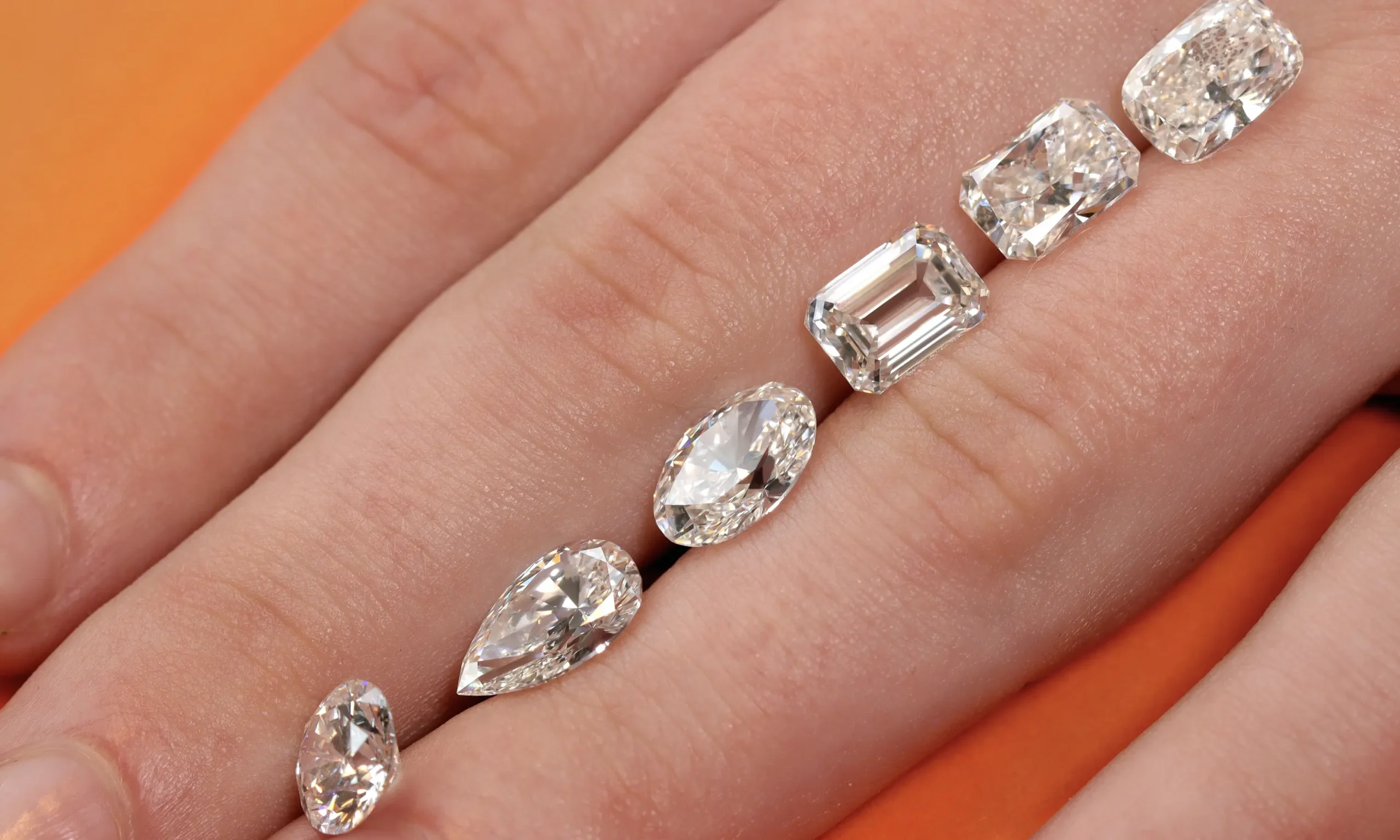
Jewelry businesses serve customers with different preferences, budgets, and design requirements. Manufacturers support this variety by producing lab grown diamonds in different shapes, sizes, colors, and clarity grades.
Common options include:
- Round brilliant: A popular choice for engagement rings and classic jewelry.
- Oval: Often selected for its elongated appearance.
- Emerald: Known for its step-cut facets and clean geometric look.
- Pear: A distinctive shape used in both modern and traditional designs.
- Princess: A square shape that suits contemporary jewelry styles.
Access to a broad selection allows retailers to create diverse collections and gives wholesalers more flexibility when supplying different types of jewelry businesses.
3. Supporting Quality Control and Product Consistency
Quality plays a major role in customer satisfaction and business reputation. Retailers need confidence that the diamonds they purchase meet the specifications advertised to customers. Wholesalers also depend on consistent standards when distributing products to their own clients.
Manufacturers support quality management through inspection procedures at different stages of production. These may include checking diamond dimensions, evaluating cut quality, reviewing clarity characteristics, and verifying that products match order specifications.
Independent grading reports can also provide additional information about a diamond’s characteristics. Businesses should understand which grading documentation is available and confirm that it corresponds to the specific stones being purchased.
4. Helping Businesses Manage Costs
Pricing is an important consideration for jewelry retailers and wholesalers. Lab grown diamonds can offer different pricing opportunities compared with mined diamonds, allowing businesses to develop products for a range of customer budgets.
Manufacturers contribute by managing production processes, sourcing materials, and offering pricing based on factors such as diamond specifications, order quantities, and customization requirements.
For wholesalers, purchasing in larger quantities may create opportunities for more favorable unit pricing. Retailers can use suitable supplier arrangements to build collections at different price points while maintaining their desired quality standards.
However, businesses should evaluate more than the initial purchase price. Shipping, certification, customization, and return policies can also affect the overall cost of sourcing.
5. Offering Customization for Jewelry Collections
Retailers often want products that reflect their brand identity and appeal to their target customers. Manufacturers can support these goals by offering customization options for diamond specifications and jewelry-related requirements.
Depending on their capabilities, manufacturers may accommodate requests involving:
- Specific diamond shapes and carat weights.
- Particular color and clarity ranges.
- Custom dimensions for jewelry settings.
- Matching pairs or coordinated diamond selections.
- Special production requirements for unique collections.
This flexibility can help retailers differentiate their product ranges. Wholesalers may also benefit when they need products tailored to the requirements of specific business clients.
Before placing a custom order, businesses should confirm production timelines, minimum order quantities, available specifications, and approval procedures.
6. Improving Supply Chain Efficiency
An organized supply chain helps jewelry businesses operate more efficiently. Delays, unclear communication, and inconsistent order fulfillment can affect sales and customer relationships.
Experienced manufacturers can support smoother operations by providing clear order information, realistic production schedules, and updates throughout the fulfillment process.
For wholesalers handling multiple orders, reliable coordination can make inventory planning easier. Retailers can also benefit from knowing when products are expected to arrive, allowing them to manage customer expectations more effectively.
Clear communication is especially valuable when businesses place repeat orders or require products with specific technical characteristics.
7. Supporting Retailers with Product Knowledge
Jewelry retailers need accurate product information to answer customer questions and explain the differences between available diamonds. Manufacturers can contribute by sharing details about production methods, diamond characteristics, available specifications, and quality documentation.
This information helps retailers communicate confidently and responsibly. It can also support staff training, product descriptions, and educational materials used in stores or online.
Customers may ask how lab grown diamonds are created, whether they have the same physical properties as mined diamonds, or how grading reports should be understood. Access to accurate supplier information makes it easier for retail teams to provide clear answers.
8. Helping Wholesalers Scale Their Operations
As wholesale businesses grow, their sourcing requirements often become more complex. They may need larger quantities, a wider selection of diamond specifications, and more structured order management.
Manufacturers can help wholesalers expand by supporting repeat production, coordinating larger orders, and discussing supply arrangements suited to ongoing business needs.
A strong manufacturer relationship may also make it easier to introduce new product categories or respond to changing customer preferences. Before increasing order volumes, wholesalers should assess the manufacturer’s production capacity and ability to maintain consistent standards.
9. Building Long-Term Business Relationships
A successful supplier relationship involves more than completing individual transactions. Retailers and wholesalers benefit from working with manufacturers that communicate clearly, provide accurate product information, and handle issues professionally.
When evaluating a potential manufacturing partner, businesses should consider:
- Product quality and consistency.
- Range of available diamond specifications.
- Pricing transparency and payment terms.
- Production capacity and delivery schedules.
- Customization capabilities.
- Documentation and quality assurance procedures.
- Responsiveness to questions and after-sales concerns.
Comparing these factors can help businesses identify suppliers that support their long-term objectives rather than focusing only on short-term pricing.
Conclusion
Lab grown diamond manufacturers play an important role in supporting jewelry retailers and wholesalers. Through consistent production, product variety, quality control, competitive sourcing, customization, and supply chain coordination, they help businesses meet customer expectations and manage their operations more effectively.
Choosing the right manufacturing partner requires careful evaluation of product standards, communication, pricing, and production capabilities. With a dependable supplier relationship, retailers and wholesalers can build stronger collections, maintain reliable inventory, and respond more confidently to the evolving lab grown diamond market.