


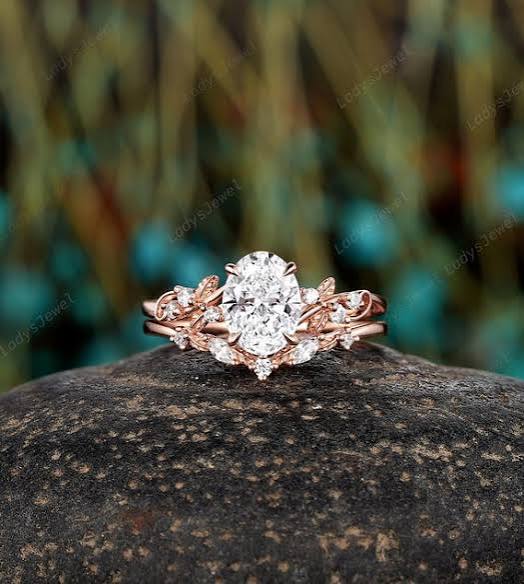
How to Choose the Right Diamond Size for a Custom Lab Grown Diamond Ring
Choosing the right diamond size is one of the most important decisions when designing an engagement ring. The center diamond often becomes the main visual feature, influencing the ring’s overall appearance, proportions, and style. While some buyers prefer a noticeable center stone, others appreciate a smaller diamond that creates a more understated and balanced look.
When planning a Custom Lab Grown Diamond Ring, buyers have the flexibility to select a diamond based on their preferences, budget, and intended design. However, choosing the right size involves more than comparing carat weights. Diamond shape, face-up dimensions, finger proportions, setting style, and personal lifestyle all play a role in determining which stone will look and feel suitable.
1. Understand What Diamond Carat Weight Means
Carat is the standard unit used to measure a diamond’s weight. One carat equals 200 milligrams, or 0.2 grams.
Carat weight is often associated with diamond size, but the two terms do not mean exactly the same thing. Two diamonds with identical carat weights may have different visible dimensions because of variations in shape, cut proportions, and depth.
For example, a well-proportioned oval diamond may appear larger from the top than a round diamond of the same weight. A deeper diamond may have more of its weight concentrated below the surface, making its face-up appearance smaller.
Therefore, buyers should consider both carat weight and the diamond’s actual measurements before making a decision.
2. Compare Common Diamond Sizes
Different carat weights create different visual effects. Understanding approximate dimensions can help buyers develop an initial idea of the size they prefer.
The following measurements are typical examples for round brilliant diamonds. Actual dimensions vary depending on proportions and cutting.
| Carat Weight | Approximate Diameter |
|---|---|
| 0.50 carat | 5.0–5.2 mm |
| 0.75 carat | 5.7–5.9 mm |
| 1.00 carat | 6.3–6.5 mm |
| 1.25 carat | 6.8–7.0 mm |
| 1.50 carat | 7.2–7.5 mm |
| 2.00 carats | 8.0–8.2 mm |
| 2.50 carats | 8.7–8.9 mm |
| 3.00 carats | 9.1–9.4 mm |
These figures are approximate, not guaranteed dimensions. When comparing diamonds, request the exact length, width, and depth measurements of each stone.
3. Consider the Wearer’s Finger Size
Finger size can influence how large or small a center diamond appears. A particular diamond may look prominent on a smaller finger but more subtle on a wider finger.
For example, a one-carat round diamond may create a noticeable focal point on a smaller hand, while a larger center stone may be preferred by someone who wants stronger visual impact.
However, there is no universal rule connecting ring size to diamond carat weight. Personal taste matters more than following a fixed measurement guide.
To make a better decision, consider:
- The wearer’s ring size.
- The width of the finger.
- The preferred band thickness.
- Whether the diamond should dominate the design.
- How the ring looks from different angles.
Viewing sample rings on a hand with similar proportions can provide a more realistic impression than looking at product photographs alone.
4. Choose a Diamond Shape That Matches the Desired Appearance
Diamond shape has a major influence on how large a stone looks when viewed from above. Some shapes have elongated outlines, while others have compact or square proportions.
Round Brilliant
Round diamonds have a balanced, symmetrical outline and are known for their light performance. Their appearance is familiar and works with many setting styles.
Oval
Oval diamonds have an elongated outline that can create a larger-looking face-up appearance compared with some other shapes of the same carat weight.
Pear
Pear-shaped diamonds combine a rounded end with a pointed tip. Their distinctive outline can create a graceful appearance and draw attention along the length of the finger.
Emerald
Emerald-cut diamonds have a rectangular outline and step-cut facets. Their open appearance emphasizes clarity and symmetry rather than the intense sparkle associated with brilliant cuts.
Cushion
Cushion diamonds have a square or rectangular outline with rounded corners. Their proportions can vary, so comparing actual measurements is especially useful.
Marquise
Marquise diamonds have an elongated shape with pointed ends. Their length can make them appear visually prominent relative to their carat weight.
The best shape depends on the desired style, the setting, and how the diamond looks when worn.
5. Understand the Difference Between Diamond Size and Cut Quality
A larger diamond is not automatically more attractive. Cut quality plays an important role in how effectively a diamond reflects and returns light.
For round brilliant diamonds, cut grading can help buyers evaluate factors such as brightness, fire, and overall light performance. Fancy shapes, including oval, pear, and emerald cuts, may not have the same standardized cut-grade system.
When comparing diamonds, examine:
- Light return and brightness.
- Symmetry and proportions.
- Polish and surface finish.
- Shape-specific visual characteristics.
- Any visible dark areas or uneven reflections.
A well-cut diamond with a balanced appearance may be more appealing than a heavier stone with less attractive proportions.
6. Set a Budget Before Selecting the Diamond
The center diamond can account for a significant part of the total ring cost. Establishing a budget early helps buyers compare realistic options without focusing only on carat weight.
Lab grown diamonds generally cost less than comparable natural diamonds, although prices vary according to size, shape, quality, grading documentation, and supplier.
A practical approach is to decide on a total ring budget first, then consider how much should be allocated to the center diamond, metal, setting, and additional design features.
Buyers may also compare diamonds slightly below popular weight milestones. For example, a stone just under one carat may offer a similar visual appearance to a one-carat option, depending on its measurements and proportions.
The important point is to compare actual appearance and quality rather than selecting a diamond based only on a rounded carat number.
7. Match Diamond Size with the Ring Setting
The setting influences how prominent the center diamond appears. A carefully selected setting can enhance the stone without making the ring look unbalanced.
Solitaire Setting
A solitaire setting places attention on the center diamond. Because there are few additional decorative elements, the stone’s size and shape become especially noticeable.
Halo Setting
A halo surrounds the center diamond with smaller accent stones. This creates a wider overall appearance and can make the center look more prominent.
Three-Stone Setting
Three-stone rings combine a center diamond with two side stones. The additional stones create a broader design and can influence how large the center diamond appears.
Bezel Setting
A bezel uses a metal rim around the diamond. It creates a clean outline and may make the center stone look slightly different in size compared with an exposed prong setting.
Pavé Band
A pavé band includes small diamonds along the ring’s surface. These accents add sparkle and can complement the center stone, although the band should remain proportionate.
Before finalizing the diamond, ask the manufacturer to show how the selected stone will look within the proposed setting.
8. Consider Band Width and Thickness
The band can change the visual balance of the ring. A narrow band may make the center diamond appear more prominent, while a wider band can create a stronger overall profile.
A delicate band is often paired with smaller or medium-sized center diamonds for an understated appearance. Larger diamonds may require a more substantial band to provide suitable structural support.
However, visual proportion and physical durability should both be considered. A very thin band may not be appropriate for every center-stone size or setting design.
The manufacturer should recommend suitable dimensions based on the diamond’s weight, setting structure, metal type, and intended use.
9. Think About Everyday Comfort and Lifestyle
A large diamond may create an impressive appearance, but it can also sit higher above the finger depending on the setting.
People who frequently work with their hands may prefer a smaller stone or a lower-profile design. A high setting can catch on clothing, hair, and other objects, particularly when the ring has exposed prongs.
Consider these lifestyle factors:
- Active routines: Choose a secure setting that protects the diamond.
- Frequent hand use: Avoid unnecessarily high or protruding designs.
- Office environments: A moderate center stone can provide an elegant appearance without feeling excessive.
- Special-occasion wear: More elaborate settings may suit rings worn less frequently.
- Daily wear: Prioritize comfort, secure construction, and practical maintenance.
The right diamond size should complement the wearer’s routine rather than create inconvenience.
10. Evaluate the Diamond’s Face-Up Measurements
Face-up measurements describe the visible length and width of a diamond when viewed from above. These measurements are especially important when comparing stones of different shapes.
For example, two oval diamonds with the same carat weight may have different length-to-width ratios. One may appear longer and narrower, while another may look wider and fuller.
Request the following information when comparing diamonds:
- Carat weight.
- Length measurement.
- Width measurement.
- Depth measurement.
- Length-to-width ratio.
- Cut or proportion information where available.
This information provides a more complete picture of the diamond’s appearance than carat weight alone.
11. Use Visual Comparisons Before Making a Decision
Photographs can make a diamond look larger or smaller depending on camera distance, magnification, and lighting. It is better to compare diamonds using consistent images or videos.
Useful comparison methods include:
Actual-size images: These can help show the approximate face-up dimensions, provided the display is calibrated correctly.
Side-by-side videos: Comparing stones under similar lighting makes differences in shape and appearance easier to notice.
Digital ring previews: Computer-aided design models can show how the diamond may look in a proposed setting.
Physical samples: When available, viewing rings on the hand provides a clearer sense of proportion and comfort.
Do not rely on enlarged product images as an accurate representation of how a diamond will look in everyday use.
12. Balance Center Diamond Size with Side Stones
Some buyers prefer a design that includes smaller diamonds around or beside the center stone. In these cases, the size of the center diamond should be balanced with the accent stones.
For a three-stone ring, side diamonds should complement the center without competing with it. In a halo setting, the surrounding stones should create a consistent border while keeping the center diamond visually distinct.
For pavé designs, small accent diamonds can add sparkle along the band without requiring a larger center stone.
The ideal proportions depend on the overall design and the visual effect the buyer wants to achieve.
13. Consider Long-Term Style Preferences
Diamond size trends can change, but a ring is often intended to remain meaningful for many years. Buyers should consider whether their preferred size will continue to suit their personal style.
A very large center diamond may create a bold appearance, while a moderate stone may feel more versatile across different occasions.
Think about:
- Whether the ring will be worn every day.
- The wearer’s usual clothing and accessories.
- Preference for understated or noticeable jewelry.
- Comfort with the ring’s overall weight and dimensions.
- Whether the design will remain appealing over time.
Selecting a size based on personal preference rather than short-term trends can lead to a more satisfying purchase.
14. Questions to Ask Before Finalizing the Diamond Size
Before approving the final design, buyers should ask the manufacturer or supplier a few practical questions.
- What are the exact face-up measurements of the diamond?
- How will its shape and proportions affect its visible size?
- Is the selected stone suitable for the proposed setting?
- Will the band provide sufficient support?
- Can the manufacturer provide a digital design preview?
- What grading documentation is available?
- How will the ring’s height and overall proportions affect comfort?
- What maintenance or inspection services are available?
Clear answers can help buyers understand what they are purchasing and avoid choosing a stone based only on its carat weight.
Conclusion
Choosing the right diamond size for a custom lab grown diamond ring involves balancing visual appearance, carat weight, shape, budget, setting, and everyday comfort. A larger stone may create a stronger statement, but a smaller diamond with attractive proportions and excellent light performance can be equally appealing.
Buyers should compare actual measurements, consider finger proportions, and review how the diamond works with the selected band and setting. By focusing on overall design rather than carat weight alone, it becomes easier to create a ring that reflects personal preferences and remains comfortable and meaningful for years.