


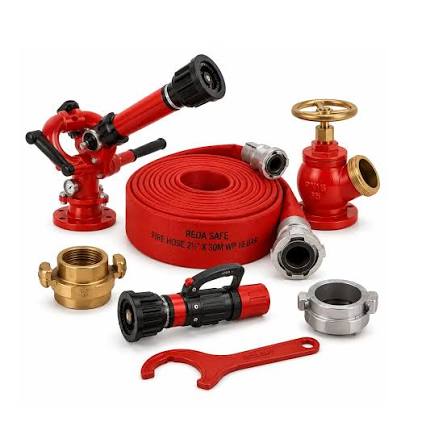
Fire Nozzle: Understanding Its Role in Firefighting Equipment
A hose transports water or another approved extinguishing medium, but the nozzle determines how that medium is released at the outlet. Its design can influence stream shape, spray distribution, flow control, and the operator’s ability to direct the discharge. In firefighting equipment, these characteristics must be matched to the task and the rest of the system. Understanding the nozzle’s role helps equipment buyers avoid selecting components based on appearance when their performance depends on precise design details.
A Fire Nozzle is a discharge device fitted to a hose, branch pipe, or other firefighting assembly to direct the flow of an extinguishing medium. Depending on its intended use, it may provide a fixed stream, an adjustable pattern, or a specific spray configuration. The correct nozzle must be compatible with the hose, coupling, pump, and operating pressure. It should also meet the relevant standards and be approved for the application in which it will be used.
How nozzle design influences discharge
The internal passage and outlet geometry affect the way fluid leaves the nozzle. A smooth, appropriately shaped passage can help manage flow, while the outlet dimensions influence the resulting stream. Some nozzles are designed for a concentrated discharge, whereas others create a broader spray or provide selectable patterns.
These options serve different operational purposes. A focused stream may be used where reach and concentrated delivery are required. A wider spray may be appropriate for other applications, depending on the equipment design and fire conditions. No pattern is universally best; the appropriate choice depends on the intended task and the approved operating procedure.
Fixed and adjustable configurations
A fixed-pattern nozzle is designed to produce a defined discharge characteristic. Its relative simplicity can make operation straightforward, provided users understand its limitations. Adjustable models may allow the operator to change the discharge pattern or regulate flow through a control mechanism.
The presence of adjustment features introduces additional components that require inspection. Moving parts must operate smoothly, and markings should remain clear enough for users to identify the selected setting. Operators should be trained on the specific model because control arrangements and performance can differ between products.
Flow rate and pressure requirements
Nozzle performance is closely linked to the pressure and flow available from the supply. A nozzle selected without considering the pump, hose diameter, hose length, and system design may not deliver the intended result. Excessive pressure can create handling difficulties or exceed equipment limits, while insufficient pressure can reduce discharge performance.
Technical data should identify the nozzle’s operating range and flow characteristics. The nozzle rating must be compatible with the connected hose and fittings. System designers should assess the complete hydraulic arrangement rather than treating the nozzle as an isolated purchase.
Materials and construction quality
Fire nozzles may be made from aluminium alloys, brass, stainless steel, engineered polymers, or combinations of materials. The selection depends on the required strength, weight, corrosion resistance, temperature tolerance, and operating environment.
A nozzle used frequently in demanding conditions may need particular resistance to impact and abrasion. Outdoor installations may require attention to corrosion and weather exposure. Material choice should be verified through manufacturer documentation, including any limitations on chemicals, temperature, and maintenance methods.
Ergonomics and operator control
The nozzle is the part of the assembly that personnel may handle directly during discharge. Grip shape, weight distribution, control position, and ease of adjustment can influence handling. A design that is difficult to operate with protective gloves may create unnecessary complications.
Training should cover connection, safe handling, pattern selection where applicable, and correct shutdown. Personnel should also understand the risks associated with hose reaction forces and pressurized water. Equipment should be operated only within the procedures and training provided for the system.
Maintenance and inspection
Before use, inspect the nozzle for cracks, dents, corrosion, blocked openings, loose controls, and damaged connection threads. Check seals and moving parts according to the manufacturer’s guidance. Deposits and dirt should be removed using suitable cleaning methods without damaging the internal passage.
A nozzle that has suffered impact or shows signs of structural damage should be assessed by qualified personnel. Do not enlarge openings, reshape the outlet, or attempt unapproved repairs. Such changes can affect flow characteristics and pressure performance.
Select the complete discharge solution
A nozzle performs best when it is selected as part of a compatible firefighting assembly. The application, flow requirement, pressure range, hose connection, material, and operating method should all be reviewed. With suitable specifications and regular maintenance, the nozzle can help deliver a controlled and dependable discharge while supporting the wider objectives of fire protection equipment.