


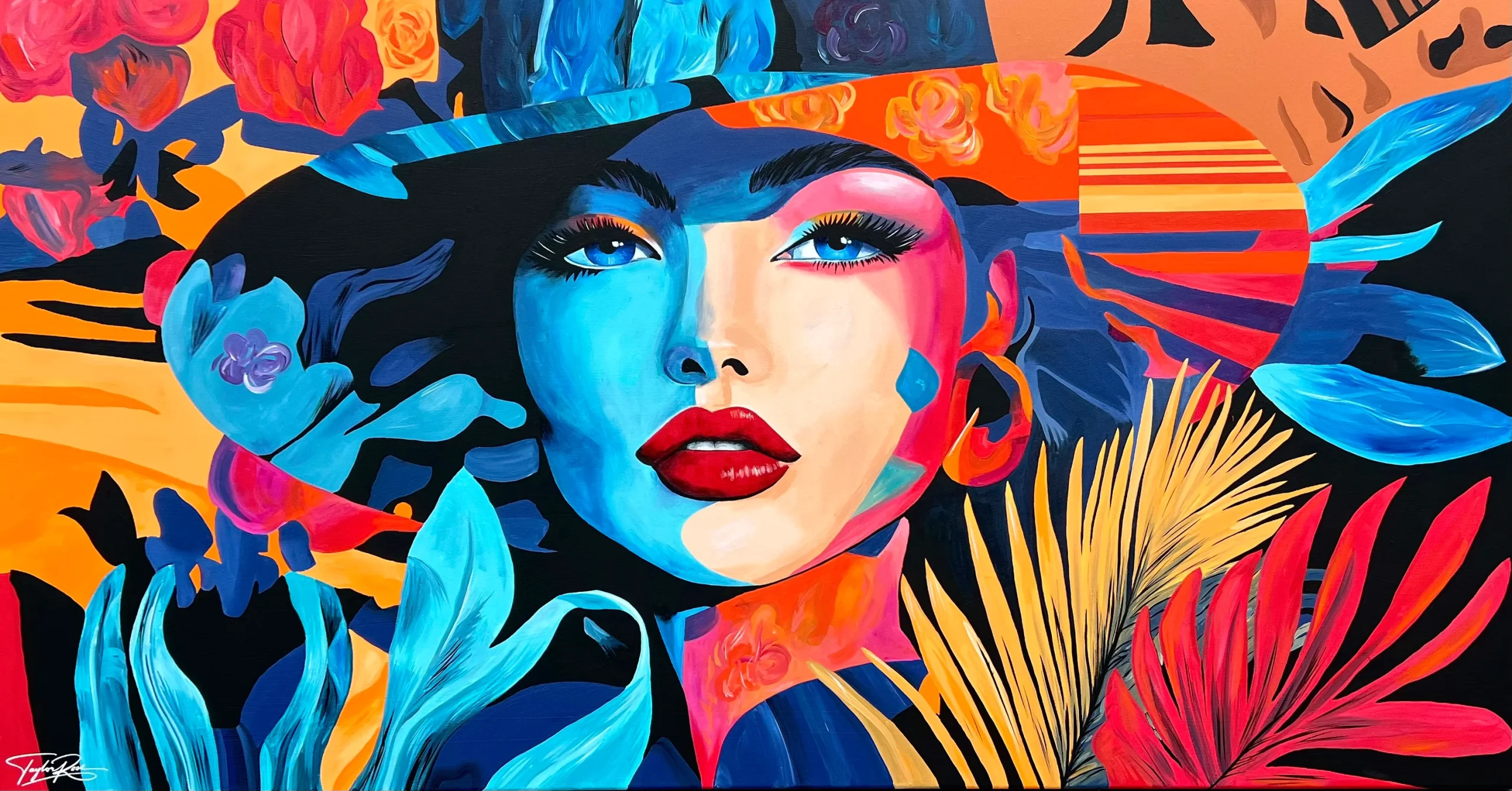
Why Pop Art Oil Painting Remains a Popular Choice for Modern Art Lovers
Modern art continues to evolve as artists explore new ways to express creativity, interpret culture, and connect with audiences. Among the many artistic styles that have maintained their appeal over the years, Pop Art stands out for its vibrant colors, recognizable imagery, and connection to everyday life. Its ability to combine familiar subjects with imaginative compositions makes it especially attractive to people who appreciate contemporary visual expression.
One reason for its lasting appeal is the way Pop Art Oil Painting combines the energetic appearance of popular culture with the traditional qualities of oil painting. This artistic approach brings together bold graphic elements, rich colors, layered textures, and expressive brushwork. The result is artwork that feels modern while retaining the depth and craftsmanship associated with classical painting techniques.
The Unique Appeal of Pop Art
Pop Art became widely recognized during the 1950s and 1960s as artists began incorporating elements of mass culture into their work. Advertisements, comic books, celebrities, consumer products, and entertainment imagery became important sources of inspiration.
Unlike traditional artistic styles that often focused on historical or classical subjects, Pop Art embraced familiar elements of everyday life. It transformed ordinary objects and commercial images into visually interesting compositions.
This connection with popular culture makes the style accessible to a broad audience. Viewers can often recognize the subjects immediately, creating an engaging experience without requiring extensive knowledge of art history.
Why Oil Painting Adds More Artistic Value
Oil painting has been appreciated for centuries because of its flexibility, durability, and expressive possibilities. Its ability to produce rich colors and layered surfaces makes it suitable for a wide range of artistic styles.
When applied to Pop Art, oil painting introduces qualities that distinguish original painted artwork from purely digital or printed imagery.
Rich and Vibrant Colors
Oil paints are known for their strong pigmentation and ability to create complex color relationships. Artists can use contrasting shades to achieve the bold visual impact associated with Pop Art.
They can also adjust colors through blending and layering, creating subtle variations that add depth to otherwise simplified compositions.
Texture and Brushwork
One of the most appealing qualities of an oil painting is its physical surface. Visible brushstrokes, thicker applications of paint, and layered details give artwork a distinctive character.
These textures create an interesting contrast with the clean outlines and graphic shapes commonly found in Pop Art.
Greater Creative Flexibility
Oil paints allow artists to work gradually, refine details, and make adjustments as a composition develops. This flexibility supports experimentation with different colors, shapes, and visual effects.
Artists can maintain the recognizable appearance of Pop Art while introducing their own interpretations and techniques.
A Connection Between Contemporary Culture and Fine Art
Pop Art remains relevant because it reflects the cultural environment in which people live. Its subjects often come from entertainment, advertising, fashion, technology, and consumer behavior.
Modern artists continue to explore these themes through new visual references, including digital media, social platforms, and contemporary celebrity culture.
This makes the style particularly interesting for modern art lovers. It offers an opportunity to engage with familiar cultural imagery while appreciating the artistic decisions involved in composition, color selection, and painting techniques.
The Influence of Famous Pop Art Artists
The popularity of Pop Art is closely connected to several influential artists who helped establish its visual identity.
Andy Warhol
Andy Warhol became famous for transforming consumer products and celebrity images into recognizable works of art. His repeated compositions and distinctive use of color explored the relationship between commercial culture and artistic expression.
Roy Lichtenstein
Roy Lichtenstein drew inspiration from comic strips and commercial printing. His paintings featured bold outlines, dramatic expressions, and Ben-Day dots, giving everyday visual language a new artistic context.
Richard Hamilton
Richard Hamilton played an important role in the early British Pop Art movement. His work incorporated advertising imagery and consumer products to examine the growing influence of mass culture.
These artists helped establish a foundation that contemporary painters continue to reinterpret through traditional and experimental techniques.
Why Modern Art Lovers Appreciate Pop Art Oil Paintings
The popularity of this style comes from several qualities that make it visually distinctive and culturally meaningful.
1. Strong Visual Impact
Bright colors, contrasting shapes, and recognizable imagery naturally attract attention. These elements allow Pop Art compositions to stand out in galleries and contemporary living spaces.
2. A Wide Range of Subjects
Artists are not limited to a particular theme. They can explore portraits, music, entertainment, fashion, advertising, everyday objects, and social issues.
This variety gives viewers many opportunities to find subjects that reflect their personal interests.
3. A Balance of Modernity and Tradition
Pop Art introduces contemporary cultural references, while oil painting preserves traditional artistic qualities. This combination appeals to people who appreciate both modern design and established painting methods.
4. Personal Expression
Although Pop Art often uses familiar imagery, each artist can interpret a subject differently. Changes in composition, color, scale, and texture create opportunities for individual expression.
5. Cultural and Emotional Connections
Certain images can remind viewers of particular decades, cultural movements, music, films, or personal experiences. This sense of recognition can make Pop Art more engaging than purely abstract imagery for some audiences.
The Role of Pop Art in Modern Interior Design
Pop Art has become an influential element in contemporary interior decoration. Its bold appearance can introduce color and personality into spaces that otherwise rely on neutral shades and simple furniture.
In residential settings, these paintings can work well in living rooms, bedrooms, home offices, and creative studios. In commercial environments, they can contribute to the visual identity of restaurants, entertainment spaces, and modern workplaces.
A few design considerations can help create a balanced display:
- Choose complementary colors: Consider how the artwork interacts with the room’s existing color scheme.
- Select an appropriate size: Larger paintings can become focal points, while smaller pieces work well in carefully arranged collections.
- Consider the surroundings: Simple furniture and uncluttered walls can help bold artwork stand out.
- Pay attention to lighting: Proper illumination reveals color variations and surface details.
- Maintain visual balance: Allow enough surrounding space so the artwork does not compete with other decorative elements.
The goal is to create an environment where the artwork contributes to the overall atmosphere without making the space feel overcrowded.
How Contemporary Artists Are Reinventing Pop Art
Although the movement has a long history, contemporary artists continue to find new ways to develop its visual language.
Some incorporate digital references into traditional painting, while others experiment with unusual color combinations, mixed media, and unconventional subjects. Modern interpretations may address social media, technological developments, changing lifestyles, and global consumer culture.
Oil painting remains useful in these explorations because it allows artists to introduce texture and expressive details into compositions inspired by modern imagery.
This ongoing experimentation helps prevent Pop Art from becoming limited to a particular historical period. Instead, it remains an evolving style that responds to contemporary experiences.
What to Consider When Appreciating Pop Art Oil Painting
Understanding a few artistic elements can make viewing this style more rewarding.
Pay attention to how the artist uses color to guide the viewer’s attention. Notice whether the composition relies on repetition, contrast, simplified shapes, or recognizable cultural references.
It is also worth examining the painting’s surface. The relationship between smooth color areas and visible brushwork can reveal how traditional oil techniques contribute to the overall design.
Finally, consider the meaning behind the subject. Some works celebrate popular culture, while others question consumerism, celebrity influence, or the role of mass media in everyday life.
Conclusion
Pop Art oil painting remains a popular choice for modern art lovers because it combines cultural familiarity with traditional artistic craftsmanship. Its bold colors, recognizable subjects, expressive textures, and creative flexibility make it an enduring form of contemporary visual expression.
From its historical roots in the 1950s and 1960s to its modern interpretations influenced by digital culture, Pop Art continues to evolve while retaining its distinctive identity. Its ability to connect everyday experiences with established painting techniques ensures that it remains an engaging and influential part of the modern art world.