


Voice Coil Actuator Maintenance and Reliability Considerations
Modern automation systems depend heavily on precise, fast, and reliable motion control components. As industries move toward higher productivity and tighter tolerances, understanding how to maintain and evaluate actuator reliability becomes increasingly important. Proper maintenance practices not only extend equipment life but also ensure consistent performance in demanding applications.
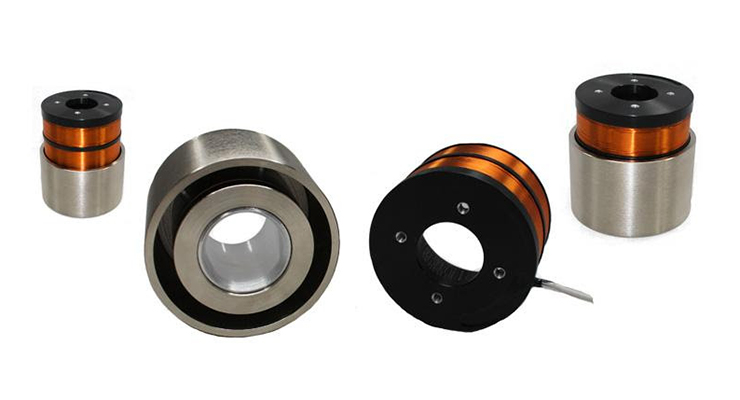
A voice coil actuator is a direct-drive linear motion device that generates force through electromagnetic interaction between a coil and a permanent magnetic field. Because it eliminates mechanical transmission components such as gears and screws, it offers smooth motion and reduced wear. A closer look at a voice coil actuator highlights why its simplified structure also influences maintenance needs and long-term reliability.
Table of Contents
ToggleSimplified Design and Its Impact on Maintenance
One of the key advantages of voice coil technology is its minimal mechanical complexity. With fewer moving parts compared to traditional linear systems, there are fewer components that require lubrication, adjustment, or replacement.
This simplified design leads to:
- Reduced mechanical wear over time
- Lower frequency of scheduled maintenance
- Fewer points of mechanical failure
- Improved system uptime in continuous operation environments
Because motion is generated directly through electromagnetic force, there is no reliance on gears, belts, or lead screws that typically degrade with use.
Common Maintenance Requirements
Although voice coil actuators are low-maintenance devices, they are not completely maintenance-free. Proper care ensures optimal performance and extends operational life, especially in industrial environments.
Electrical System Inspection
The coil and wiring should be regularly checked for signs of overheating, insulation damage, or connection loosening. Since performance depends on consistent current flow, any electrical irregularities can directly affect motion accuracy and force output.
Thermal Management Monitoring
Heat generation is a key operational consideration. Continuous high-load operation can increase coil temperature, which may reduce efficiency if not properly managed. Cooling systems, duty cycle adjustments, or thermal sensors are often used to maintain stable operating conditions.
Mechanical Alignment and Cleanliness
Even though the actuator has no contact-based transmission system, maintaining proper alignment is essential for consistent performance. Dust, debris, or magnetic contamination can interfere with smooth motion and should be controlled through protective housings or clean operating environments.
Reliability Factors in Industrial Applications
Reliability is a critical metric in automation systems, especially in environments where downtime can lead to production losses. Voice coil actuators are known for their high reliability due to their non-contact operation and simple mechanical structure.
Reduced Wear and Tear
Because there is no friction-based transmission, mechanical degradation is significantly reduced. This contributes to a longer service life compared to traditional actuators that rely on physical contact between moving parts.
Consistent Performance Over Time
The absence of mechanical backlash ensures stable and repeatable motion throughout the actuator’s lifecycle. This consistency is particularly valuable in precision industries such as semiconductor manufacturing and optical alignment.
High Cycle Life Capability
Voice coil systems are capable of extremely high cycle rates. Their electromagnetic operation allows them to perform millions of cycles with minimal performance degradation, provided thermal conditions are properly managed.
Factors That Can Affect Reliability
While generally robust, certain external factors can influence long-term performance if not properly addressed.
- Excessive heat buildup during continuous operation
- Inadequate power supply regulation
- Environmental contamination such as dust or moisture
- Mechanical misalignment in the mounting structure
- Improper duty cycle selection for high-frequency applications
Addressing these factors during system design and installation significantly improves overall reliability.
Best Practices for Long-Term Operation
To ensure consistent performance and durability, engineers often implement several best practices in industrial environments.
- Use proper thermal management solutions such as heat sinks or airflow systems
- Implement real-time monitoring for temperature and current levels
- Maintain clean operating environments to prevent contamination
- Select appropriate duty cycles based on workload demands
- Perform periodic electrical inspections to ensure stable operation
These practices help maintain actuator efficiency and prevent unexpected failures.
Conclusion
Voice coil actuators offer a highly reliable solution for precision motion systems due to their simple, non-contact design and excellent dynamic performance. While they require less maintenance than traditional mechanical actuators, proper attention to electrical, thermal, and environmental factors is still essential for long-term stability.
By following best maintenance practices and understanding key reliability considerations, engineers can maximize the lifespan and performance of a voice coil actuator in demanding industrial applications.