


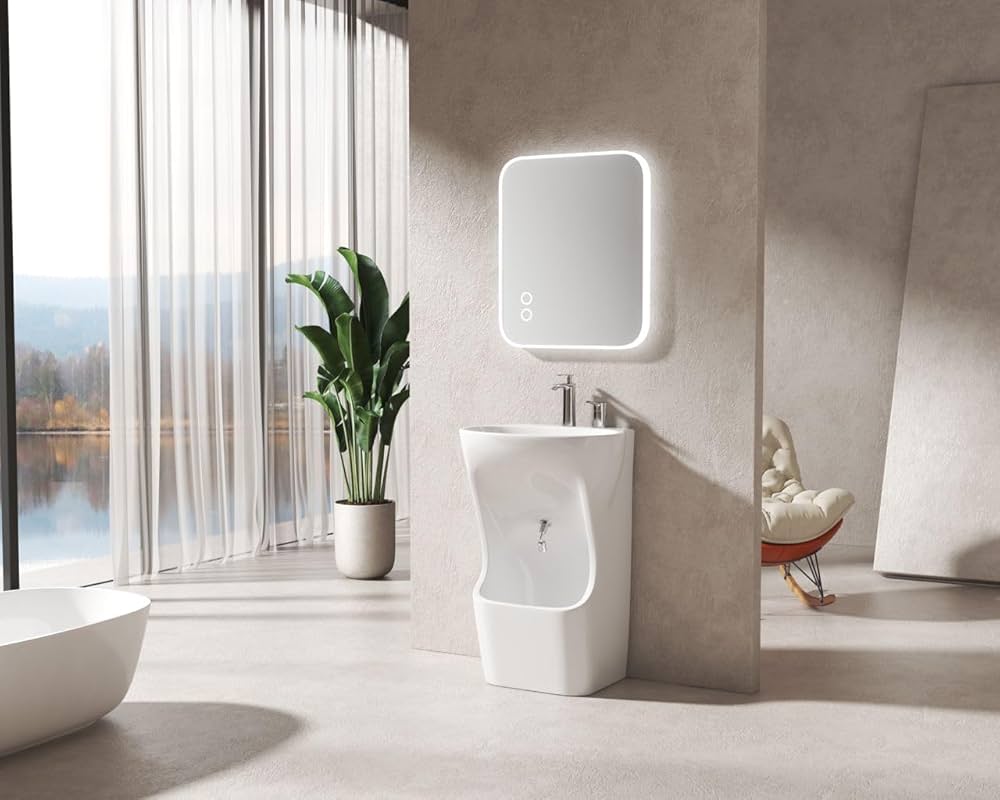
Advantages of KingKonree Solid Surface Technology in Wudu Sink Design
Modern Islamic architecture increasingly focuses on combining functionality, durability, and aesthetic value in essential facility components. Among these, ablution areas require special attention due to their continuous usage and strict hygiene expectations. As mosques, Islamic centers, airports, and public prayer spaces expand globally, the demand for advanced material solutions in wash areas has significantly increased.
Manufacturers are now prioritizing engineered surfaces that offer long-term performance, easy maintenance, and design flexibility. This is where solid surface technology has transformed ablution facility design, especially in high-traffic environments that require both resilience and visual harmony. In many modern construction projects, the Wudu Sink from KingKonree Solid Surface is being integrated as a preferred solution due to its seamless construction, hygienic properties, and adaptability to custom architectural requirements.
Table of Contents
ToggleWhy Solid Surface Technology Matters in Ablution Areas
In wudu spaces, constant exposure to water, soap, and frequent usage creates challenges for traditional materials such as ceramic or stone. Cracks, stains, and microbial buildup can quickly become issues if the material is not designed for heavy-duty use.
Solid surface technology addresses these challenges by offering:
- Non-porous structure that prevents water absorption
- Seamless joints that eliminate bacteria-prone gaps
- High resistance to stains and discoloration
- Smooth finish for easy cleaning and maintenance
These features make it particularly suitable for large-scale mosque installations where hygiene and durability are top priorities.
Design Flexibility and Architectural Integration
One of the strongest advantages of modern solid surface materials is their design adaptability. Architects and developers can customize shapes, sizes, and configurations based on spatial requirements and user capacity.
This flexibility allows for:
- Multi-user ablution stations in compact layouts
- Curved or linear basin designs depending on mosque architecture
- Integration with modern drainage systems
- Consistent visual design across large facilities
Such adaptability is especially important in export-driven projects where different regions require different architectural styles and cultural considerations.
Hygiene and Maintenance Efficiency
Hygiene is a core requirement in all Islamic facilities, and ablution areas must meet the highest cleanliness standards. Solid surface technology supports this by reducing contamination risks and simplifying cleaning processes.
Key hygiene benefits include:
- Seamless surfaces that prevent dirt accumulation
- Resistance to mold and bacterial growth
- Easy repair of surface scratches through refinishing
- Reduced need for harsh chemical cleaning agents
For facility managers, this translates into lower maintenance costs and improved long-term sanitation control.
Durability for High-Traffic Environments
Mosques and public prayer spaces often experience peak usage before and after prayer times, especially on Fridays and during religious events. This high frequency of use requires materials that can withstand continuous stress without degradation.
Solid surface ablution systems provide:
- Impact resistance against heavy usage
- Long service life with minimal wear and tear
- Structural stability under constant water exposure
- Reliable performance in both indoor and semi-outdoor environments
This durability makes them a preferred choice for large-scale infrastructure projects and international construction tenders.
Enhancing Export Opportunities Through Material Innovation
For manufacturers and exporters, material innovation plays a key role in gaining competitive advantage in global markets. Buyers are increasingly looking for solutions that combine aesthetics, sustainability, and long-term cost efficiency.
Solid surface wudu systems help exporters:
- Differentiate products in competitive B2B markets
- Meet international hygiene and safety standards
- Attract architects and contractors for premium projects
- Strengthen positioning in large-scale mosque developments
These advantages are particularly relevant in regions such as the Middle East, Southeast Asia, and Africa, where mosque construction and Islamic infrastructure investment continue to grow.
Marketing Strategies for Global Reach
To fully leverage export potential, manufacturers must invest in strong digital visibility and targeted marketing strategies. Buyers in the construction and religious infrastructure sectors often conduct extensive online research before procurement decisions.
Effective marketing approaches include:
- SEO-optimized product pages targeting ablution and mosque infrastructure keywords
- High-quality project portfolios showcasing real installations
- Participation in global construction and Islamic architecture exhibitions
- B2B advertising on international trade platforms
Combining technical content with visual storytelling helps build trust and improves conversion rates among international buyers.
Conclusion
Solid surface technology has significantly improved the design and functionality of modern ablution systems, offering a balance of durability, hygiene, and architectural flexibility. In large-scale Islamic facilities, these advantages are essential for maintaining efficient and sanitary environments. As global demand for advanced mosque infrastructure continues to grow, manufacturers that focus on innovative materials like Wudu Sink from KingKonree Solid Surface are well-positioned to expand their export presence and strengthen their competitiveness in international markets.