


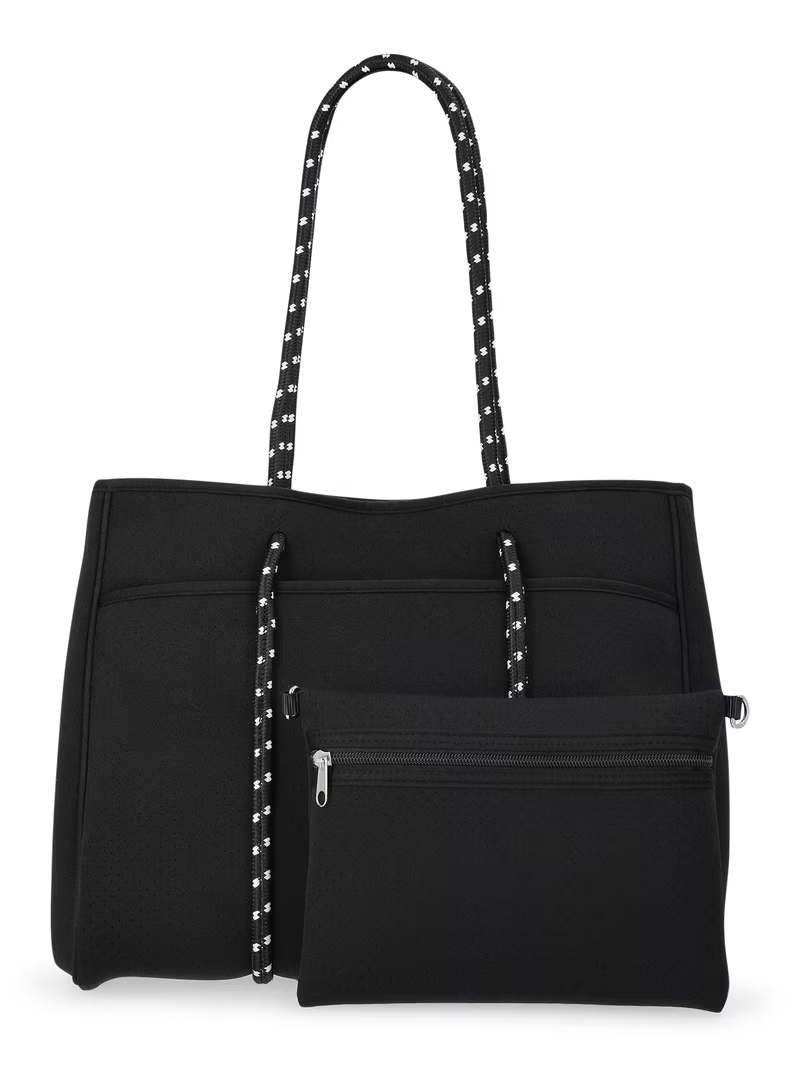
Are Neoprene Beach Bags Waterproof? Understanding Their Water-Resistant Properties
When choosing a bag for beach trips, swimming pool visits, or other outdoor activities, protection from moisture is an important consideration. Towels, swimwear, sunscreen, and personal accessories may come into contact with water throughout the day. This makes the material and construction of a beach bag particularly important.
A Neoprene Beach Bag is often selected for its flexible structure and moisture-resistant properties. However, there is an important difference between being water-resistant and being completely waterproof. Understanding how neoprene handles moisture can help buyers decide whether this type of bag provides the protection they need.
What Is Neoprene and Why Is It Used in Beach Bags?
Neoprene is a synthetic rubber material known for its flexibility, cushioning, and resistance to moisture. It is used in various products, including wetsuits, protective cases, sports accessories, and bags.
Its structure makes it suitable for products that may encounter damp conditions. In beach bags, neoprene can provide a soft, flexible body while helping resist water exposure during everyday activities.
Manufacturers use different neoprene thicknesses and construction methods depending on the intended product. Some bags are designed to remain lightweight and flexible, while others have additional reinforcement or structured sections.
Are Neoprene Beach Bags Waterproof?
Neoprene itself has good water-resistant properties, but this does not automatically make an entire beach bag waterproof.
A finished bag contains several components, including seams, handles, openings, pockets, and sometimes zippers. Water can enter through these areas even when the main material resists moisture.
For example, an open-top neoprene tote may handle splashes effectively, but water can easily reach its contents if the bag is exposed to rain or submerged. Similarly, stitched seams may allow water to pass through under certain conditions.
Therefore, most standard neoprene beach bags should be considered water-resistant rather than fully waterproof unless the manufacturer specifically confirms and tests their waterproof construction.
How Neoprene Provides Water Resistance
The properties of neoprene make it useful in environments where occasional moisture exposure is expected.
Moisture-Resistant Material Structure
Neoprene is a synthetic rubber that does not absorb water in the same way as many untreated woven fabrics. Its surface can help resist splashes and contact with damp objects.
This characteristic makes it suitable for carrying items around beaches and swimming pools.
Flexible and Protective Construction
Neoprene can bend and adapt to different contents without becoming excessively rigid. Its cushioned structure may also provide some protection against minor bumps and everyday handling.
Suitable for Damp Environments
A neoprene bag can be useful when carrying wet swimwear, towels, or pool accessories. However, wet items should be removed after use so moisture does not remain trapped inside the bag.
Factors That Affect Water Resistance
Not every neoprene beach bag offers the same level of moisture protection. Several design and manufacturing details can influence its performance.
1. Material Thickness
Neoprene thickness affects the bag’s structure, flexibility, and overall feel. Thicker material may provide more body and cushioning, but thickness alone does not guarantee waterproof performance.
2. Seam Construction
Stitched seams can create small openings through which water may enter. Seam design, stitching methods, and additional sealing techniques can influence how well the finished product handles moisture.
3. Zippers and Closures
Zippers, snaps, and open-top designs provide different levels of protection. A standard zipper does not necessarily create a waterproof seal, so buyers should examine the closure specifications carefully.
4. Bag Design
A bag with an open main compartment may be convenient for quick access, but it offers limited protection from rain or splashes entering from above. Covered compartments or specially designed closures may provide additional protection.
5. Manufacturing Quality
Uneven stitching, damaged material, and poorly finished edges can affect the performance of a bag. Consistent manufacturing and quality inspection are important for maintaining reliable product construction.
Water-Resistant vs. Waterproof: Understanding the Difference
These terms are sometimes used interchangeably in product descriptions, but they do not mean the same thing.
| Feature | Water-Resistant Bag | Waterproof Bag |
|---|---|---|
| Splash protection | Generally suitable | Suitable |
| Light moisture exposure | Can provide protection | Provides protection when properly constructed |
| Heavy rain | Depends on design | Designed for stronger water protection |
| Submersion | Not generally suitable | Only suitable if tested and rated for the specified conditions |
| Seams | May allow water through | Usually sealed or specially constructed |
| Closures | Standard openings or zippers may be used | Requires suitable waterproof closure design |
Buyers should look for specific test results or manufacturer claims when waterproof performance is essential. A material’s natural resistance to moisture should not be treated as proof that the complete bag can prevent water entry.
Everyday Situations Where Neoprene Beach Bags Are Useful
Although standard neoprene bags may not provide complete waterproof protection, their moisture-resistant properties can be beneficial in many everyday situations.
Beach Visits
Beach bags frequently come into contact with damp towels, sunscreen, sand, and occasional splashes. Neoprene can be a practical material for these conditions.
Swimming Pool Activities
Users can carry goggles, swimwear, towels, and other pool accessories. Removing wet belongings after swimming helps keep the interior clean and dry.
Gym and Fitness Sessions
Neoprene bags can carry workout clothing, towels, and personal accessories. Their flexible structure makes them convenient for regular activities.
Outdoor Shopping and Travel
A neoprene tote may also be useful for shopping trips, picnics, and short journeys. Its moisture resistance can help when belongings encounter minor spills or damp surfaces.
How to Protect Belongings Inside a Neoprene Beach Bag
If you plan to carry items that should remain completely dry, additional protection is recommended.
Consider these simple practices:
- Use waterproof pouches for phones, cameras, and documents.
- Keep electronic devices in protective cases.
- Place wet swimwear in separate waterproof compartments or bags.
- Avoid leaving the bag exposed to heavy rain.
- Keep the opening closed when the design includes a suitable closure.
- Remove damp items after returning from the beach or pool.
These measures can reduce the risk of moisture damage, especially when the bag is used in unpredictable outdoor conditions.
How to Maintain a Neoprene Beach Bag
Regular maintenance helps preserve the material and overall appearance of a neoprene bag.
After each outing, empty the bag and remove sand, dirt, and loose debris. Wipe the surface with a soft, damp cloth and use mild soap if the manufacturer’s care instructions allow it.
Allow the bag to dry completely in a well-ventilated area before storing it. Avoid prolonged exposure to direct heat, harsh chemicals, or abrasive cleaning tools.
Pay particular attention to seams, pockets, and interior sections where moisture may remain. Proper drying helps prevent unpleasant odors and supports long-term usability.
What to Check Before Buying a Water-Resistant Neoprene Bag
If moisture protection is a priority, review the product specifications instead of relying only on its material description.
Check the following details:
- Material information: Confirm that the bag is made from neoprene and review its thickness.
- Construction: Examine the seams, edges, and reinforcement.
- Closure design: Determine whether the bag has an open top, standard zipper, or specialized waterproof closure.
- Compartment layout: Look for separate sections that can help protect sensitive belongings.
- Manufacturer information: Ask whether the finished bag has undergone water-resistance or waterproof testing.
- Intended use: Make sure the product is designed for the level of moisture exposure you expect.
For wholesale buyers, requesting a physical sample is particularly useful. It allows businesses to inspect material quality, finishing, closures, and overall construction before placing a larger order.
Conclusion
Neoprene beach bags offer useful water-resistant properties that make them suitable for beach visits, poolside activities, and everyday outdoor use. Their synthetic rubber material helps resist moisture, while their flexible construction provides convenient storage for personal belongings.
However, a standard neoprene bag should not automatically be considered waterproof. Seams, zippers, and openings can allow water to enter, even when the main material resists moisture. Buyers should evaluate the complete bag design and look for specific waterproof testing when stronger protection is required.
By understanding these differences and choosing a product with suitable construction, users can find a neoprene beach bag that matches their activities and moisture-protection needs.