


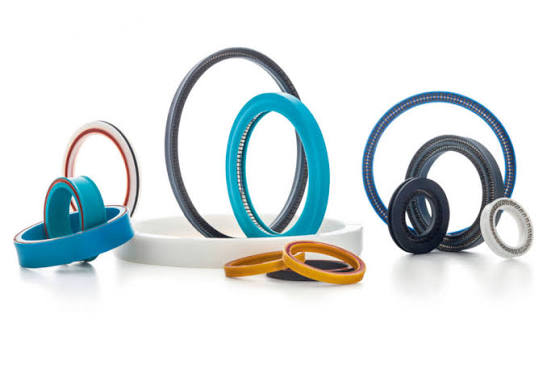
The Importance of Proper Installation for Long-Lasting DMS Seals
Industrial sealing components play an important role in protecting machinery from fluid leakage, pressure loss, dust, and other forms of contamination. However, even a well-designed seal may not deliver its expected performance if it is installed incorrectly. Small installation mistakes, such as twisting, stretching, or damaging the sealing surface, can lead to premature wear and unexpected equipment problems.
Proper installation is essential for achieving reliable performance and extending the service life of DMS Seals in industrial applications. Correct handling, suitable tools, clean installation areas, and accurate positioning help ensure that seals function as intended. Following appropriate procedures also reduces the risk of early failure and unnecessary maintenance costs.
Why Proper Seal Installation Matters
Seals are designed to create a controlled barrier between components, preventing unwanted movement of fluids, gases, or contaminants. Their effectiveness depends on maintaining the correct contact with surrounding surfaces.
Incorrect installation can affect this contact and create gaps, excessive friction, or uneven pressure distribution. These problems may result in leakage, deformation, or accelerated wear during equipment operation.
Proper installation helps ensure that the sealing element fits its designated groove, maintains the intended orientation, and operates within the equipment’s specified conditions. It is therefore an important part of machinery maintenance and component selection.
Common Installation Mistakes That Reduce Seal Life
Several installation errors can shorten the working life of industrial seals. Understanding these mistakes helps technicians avoid preventable failures.
Twisting or Rolling the Seal
Some seals must maintain a specific shape and orientation to create an effective sealing interface. Twisting or rolling during installation can cause uneven contact and reduce sealing effectiveness.
This problem is particularly important when installing O-rings and other elastomeric sealing components in confined spaces.
Stretching the Seal Excessively
Applying too much force during installation may stretch an elastomeric seal beyond its intended limits. The component may not return to its original dimensions, potentially affecting its fit and sealing performance.
Technicians should follow the recommended installation method and avoid unnecessary pulling or stretching.
Using Sharp or Unsuitable Tools
Screwdrivers, sharp metal objects, and rough tools can scratch or cut sealing surfaces. Even small cuts may create leakage paths once the equipment is pressurized.
Dedicated installation tools and suitable protective sleeves can help reduce the risk of accidental damage.
Installing the Wrong Seal Size
A seal that is too large or too small may not fit correctly within its designated groove. Incorrect dimensions can lead to insufficient compression, excessive friction, or seal displacement.
Always verify the part number, dimensions, and equipment specifications before installation.
Preparing the Installation Area
Preparation is one of the most important steps in achieving a reliable seal installation. Dirt, metal fragments, old seal material, and other contaminants can interfere with the sealing interface.
Before installing a replacement seal, technicians should clean the relevant components and inspect the surrounding area. Grooves, shafts, housings, and mating surfaces should be free from debris and visible damage.
Particular attention should be given to:
- Scratches or scoring on metal surfaces.
- Burrs and sharp edges around grooves.
- Corrosion or surface deterioration.
- Residue from previously installed seals.
- Foreign particles that could become trapped beneath the new component.
A clean and properly prepared installation area helps the seal sit correctly and reduces the risk of early damage.
Selecting the Correct Installation Tools
Using suitable tools makes the installation process safer and more consistent. Different seal types and machinery designs may require different equipment, so technicians should follow the relevant manufacturer instructions.
Common tools and accessories include:
- Seal installation mandrels for controlled fitting.
- Protective sleeves for covering sharp edges.
- Non-sharp positioning tools for accurate placement.
- Cleaning materials that do not damage the seal or equipment.
- Measuring tools for checking dimensions and groove conditions.
Tools should be clean and in good condition before use. Improvised equipment should be avoided when it may damage the sealing element or surrounding components.
The Importance of Correct Lubrication
Lubrication can make installation easier and help reduce friction during initial equipment operation. It may also prevent damage caused by excessive resistance when a seal moves across a shaft or enters a housing.
However, not every lubricant is suitable for every seal material. An incompatible product may cause swelling, softening, hardening, or other forms of material deterioration.
Technicians should use only lubricants approved for the specific seal material and application. In some cases, the equipment manufacturer may recommend a particular assembly lubricant or specify that a component should be installed without additional lubrication.
Excessive lubricant should also be avoided because it may interfere with proper positioning or contaminate nearby components.
Maintaining Correct Seal Orientation and Position
Many industrial seals are designed to work in a particular direction or position. Installing them incorrectly can prevent them from performing their intended function.
For example, lip seals may need to face the pressure or fluid side according to their design. Piston seals, rod seals, and other hydraulic sealing elements also have specific installation requirements.
Before fitting a seal, technicians should check:
- The seal’s design and orientation requirements.
- The correct position within the housing or groove.
- The direction of pressure or fluid movement.
- The required installation depth and alignment.
- Whether any supporting rings or additional sealing elements are needed.
Following these details helps maintain the intended contact and prevents unnecessary stress on the component.
Checking Equipment Surfaces Before Installation
A new seal cannot compensate for damaged equipment surfaces. Scratches, corrosion, excessive roughness, and incorrect dimensions may cause leakage even when the replacement component is installed correctly.
For this reason, technicians should inspect shafts, cylinders, housings, and grooves before fitting a new seal.
Surface finish is especially important in dynamic applications where the seal moves against another component. A surface that is too rough may accelerate abrasion, while an unsuitable finish can also affect lubrication and sealing contact.
If a component is damaged beyond its acceptable limits, it may need repair or replacement before a new seal is installed.
Following Application-Specific Installation Procedures
Installation requirements vary according to seal type, machinery design, operating pressure, temperature, and movement conditions. A procedure suitable for a static gasket may not be appropriate for a hydraulic rod seal or rotating shaft seal.
For example, hydraulic applications often require careful attention to seal orientation, groove dimensions, extrusion gaps, and the condition of moving surfaces. Pneumatic systems may have different friction and lubrication requirements, while rotary applications must account for shaft speed and alignment.
Technicians should consult equipment documentation and relevant seal installation instructions rather than relying on a single procedure for every application.
Inspecting the Seal After Installation
Installation should not be considered complete until the component has been checked. A final inspection can reveal positioning problems or visible damage before the machinery returns to normal operation.
Useful checks include:
- Confirming that the seal is fully seated in its groove.
- Checking for twisting, cuts, or deformation.
- Verifying that supporting components are correctly positioned.
- Ensuring that mating parts are properly aligned.
- Confirming that no tools or foreign materials remain in the assembly.
Where appropriate, the equipment should be tested under controlled conditions before being returned to full service. Technicians can monitor pressure, movement, and leakage to identify potential installation issues.
How Proper Installation Reduces Maintenance Costs
Premature seal failure often results in additional labor, replacement components, equipment downtime, and fluid loss. In industrial environments, these problems can interrupt production and affect overall operating efficiency.
Correct installation helps reduce preventable failures and supports longer service intervals. It also protects surrounding machinery components by maintaining effective sealing and limiting exposure to leakage or contamination.
Although careful installation may require additional preparation time, it can reduce the likelihood of repeated repairs and unexpected maintenance expenses.
Best Practices for Long-Lasting Seal Performance
Consistent installation practices can improve reliability across different types of industrial equipment. Organizations can establish standard procedures to help technicians perform the work accurately.
Important practices include:
- Verify seal dimensions and material compatibility before installation.
- Store replacement seals in clean, suitable conditions.
- Avoid excessive bending, stretching, or compression during handling.
- Clean and inspect all relevant equipment surfaces.
- Use recommended tools and compatible assembly lubricants.
- Follow the correct orientation and installation sequence.
- Test equipment under controlled conditions after assembly.
- Record replacement dates and any recurring sealing problems.
Training maintenance personnel is also valuable. Technicians who understand seal materials, installation requirements, and common failure causes are better equipped to prevent avoidable damage.
Conclusion
Proper installation is a key factor in achieving long-lasting performance from industrial sealing components. Incorrect positioning, contaminated surfaces, unsuitable tools, and incompatible lubricants can all reduce seal effectiveness and contribute to premature failure.
By following application-specific procedures, preparing equipment surfaces carefully, and inspecting components before and after installation, maintenance teams can improve sealing reliability. These practices help reduce leakage, limit downtime, and support the dependable operation of industrial machinery.