


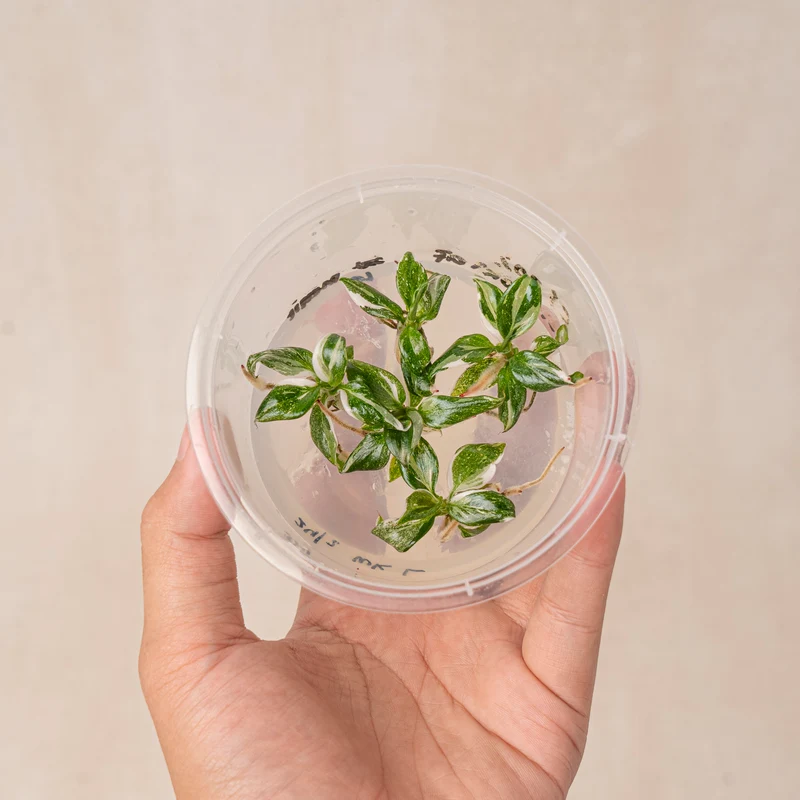
Popular Varieties to Consider When Searching for Philodendron Tissue Culture for Sale
Philodendrons are highly valued in the ornamental plant industry for their distinctive foliage, attractive colors, and wide range of growth habits. From compact houseplants to large climbing varieties, these tropical plants offer options for collectors, garden centers, and commercial nurseries. Tissue culture propagation has also made it possible to produce selected Philodendron varieties in larger quantities under controlled laboratory conditions.
When exploring Philodendron Tissue Culture for Sale, buyers should consider more than appearance alone. Leaf characteristics, growth requirements, customer demand, and availability can all influence which varieties are suitable for a collection or nursery business. Understanding the differences between popular options makes it easier to select plants that match specific growing goals.
1. Philodendron Pink Princess
<AsyncImage query=”Philodendron Pink Princess plant pink green variegated leaves” aspectRatio=”16:9″ width=”100%”/>
Philodendron Pink Princess is one of the most recognizable decorative Philodendrons. Its dark green to nearly black leaves feature pink variegation, creating a striking contrast that attracts houseplant collectors.
The amount and distribution of pink coloration can vary between individual plants. This natural variation makes it important for buyers to understand the supplier’s product specifications rather than assume every plant will develop identical foliage.
Why consider it:
- Distinctive pink and green leaf patterns.
- Strong visual appeal for collectors.
- Suitable for decorative indoor plant collections.
- Recognizable name in the specialty houseplant market.
Pink Princess generally benefits from bright, indirect light and a well-draining growing medium. Stable growing conditions help support healthy foliage development.
2. Philodendron White Knight
<AsyncImage query=”Philodendron White Knight plant white variegated leaves red stems” aspectRatio=”16:9″ width=”100%”/>
Philodendron White Knight is appreciated for its dark foliage, contrasting white variegation, and reddish stems. The combination of these features gives the plant a distinctive appearance.
Its visual characteristics make it attractive to collectors interested in variegated tropical plants. However, variegation can differ between plants, so buyers should ask suppliers about the expected characteristics of the available material.
Why consider it:
- Contrasting white and green foliage.
- Distinctive stem coloration.
- Strong appeal among specialist collectors.
- Decorative climbing growth habit.
Like many climbing Philodendrons, White Knight benefits from suitable support as it matures. A moss pole or another stable climbing structure can encourage more organized growth.
3. Philodendron White Wizard
<AsyncImage query=”Philodendron White Wizard white green variegated foliage plant” aspectRatio=”16:9″ width=”100%”/>
Philodendron White Wizard is another popular variegated variety. It is often recognized by its green leaves with white or cream-colored patterns and its attractive overall structure.
Collectors sometimes compare White Wizard with White Knight and White Princess because they share similar foliage coloration. Their differences in stem and petiole appearance can help distinguish them.
Why consider it:
- Attractive white and green leaf patterns.
- Decorative foliage for indoor collections.
- Interest among variegated plant enthusiasts.
- Suitable for climbing plant displays.
When purchasing tissue culture material, accurate labeling is especially important for closely related or visually similar varieties.
4. Philodendron Gloriosum
<AsyncImage query=”Philodendron gloriosum large heart shaped velvety leaves white veins” aspectRatio=”16:9″ width=”100%”/>
Philodendron Gloriosum stands out because of its large, heart-shaped leaves and velvety surface. Its prominent pale veins create an elegant pattern against the deep green foliage.
Unlike many climbing Philodendrons, Gloriosum has a creeping growth habit. Its stems spread horizontally across the growing medium, so it needs suitable container space as it develops.
Why consider it:
- Large, attractive heart-shaped leaves.
- Distinctive velvety foliage texture.
- Prominent leaf veining.
- Suitable for collectors who appreciate unusual growth habits.
A loose, airy substrate and careful watering are useful for supporting healthy root development.
5. Philodendron Melanochrysum
<AsyncImage query=”Philodendron melanochrysum dark velvety elongated leaves golden veins” aspectRatio=”16:9″ width=”100%”/>
Philodendron Melanochrysum is known for its elongated, dark green leaves with a velvety appearance and contrasting lighter veins. Mature foliage can become particularly impressive when the plant receives appropriate support and growing conditions.
This variety is often selected by collectors who prefer dramatic foliage rather than colorful variegation.
Why consider it:
- Long, elegant leaves.
- Dark foliage with contrasting veins.
- Attractive climbing growth habit.
- Strong decorative value in tropical plant collections.
Providing a suitable climbing support can help the plant develop more mature foliage over time.
6. Philodendron Micans
<AsyncImage query=”Philodendron hederaceum micans heart shaped velvety bronze green leaves trailing” aspectRatio=”16:9″ width=”100%”/>
Philodendron Micans is a popular choice for indoor plant enthusiasts because of its soft, heart-shaped leaves and subtle bronze, green, or reddish tones. Its trailing growth habit makes it suitable for hanging containers and shelves.
Compared with some rare collector varieties, Micans is often considered a more approachable option for general indoor plant collections.
Why consider it:
- Attractive velvety leaf texture.
- Trailing growth suitable for decorative displays.
- Subtle changes in foliage color.
- Useful for mixed indoor plant selections.
Regular pruning can help maintain a fuller appearance, while suitable light conditions support healthy leaf development.
7. Philodendron Birkin
<AsyncImage query=”Philodendron Birkin compact green leaves white pinstripe variegation” aspectRatio=”16:9″ width=”100%”/>
Philodendron Birkin is valued for its compact growth and distinctive white or cream-colored pinstripes on green leaves. Its upright structure makes it a practical choice for indoor plant displays and retail collections.
The striped pattern may vary as new leaves develop, giving individual plants slightly different appearances.
Why consider it:
- Distinctive striped foliage.
- Compact growth habit.
- Suitable for tabletops and indoor displays.
- Recognizable ornamental variety.
Birkin can be a useful addition to a nursery’s selection when customers are looking for decorative plants that do not require extensive climbing space.
8. Philodendron Florida Beauty
<AsyncImage query=”Philodendron Florida Beauty variegated lobed leaves tropical plant” aspectRatio=”16:9″ width=”100%”/>
Philodendron Florida Beauty is admired for its unusual lobed leaves and attractive variegation. Its foliage can display a mixture of green, cream, and yellow tones, depending on the individual plant.
The distinctive leaf shape helps separate it from many other popular Philodendron varieties.
Why consider it:
- Unusual lobed foliage.
- Attractive variegated patterns.
- Interest among specialist collectors.
- Decorative climbing growth habit.
Because variegation can vary, buyers should confirm the characteristics of the supplied plants and understand that future leaves may not all display identical patterns.
9. Philodendron Burle Marx
<AsyncImage query=”Philodendron Burle Marx tropical plant elongated glossy green leaves” aspectRatio=”16:9″ width=”100%”/>
Philodendron Burle Marx is known for its elongated, glossy green leaves and spreading growth habit. It is often used in tropical plant collections and landscape-inspired indoor displays.
Its relatively manageable growth and attractive foliage make it a useful option for buyers seeking variety beyond highly variegated collector plants.
Why consider it:
- Distinctive elongated leaves.
- Attractive glossy green foliage.
- Spreading growth habit.
- Suitable for tropical ornamental collections.
It can grow well in a warm environment with bright, indirect light and an appropriate growing medium.
10. Philodendron Prince of Orange
<AsyncImage query=”Philodendron Prince of Orange plant orange copper new leaves green mature foliage” aspectRatio=”16:9″ width=”100%”/>
Philodendron Prince of Orange is valued for the changing colors of its new foliage. Emerging leaves can display orange, copper, or golden tones before gradually developing greener shades as they mature.
Its upright growth habit and colorful new leaves make it a visually interesting option for indoor plant retailers.
Why consider it:
- Colorful new leaf development.
- Upright and relatively compact structure.
- Decorative foliage throughout different growth stages.
- Appeal to buyers who enjoy changing leaf colors.
Adequate indirect light and consistent care help maintain healthy growth and attractive foliage.
How to Choose the Right Philodendron Tissue Culture Varieties
Selecting varieties should depend on the intended market, available growing space, and experience level of the buyer. A collector may prioritize unusual foliage, while a commercial nursery may need a balanced selection of plants with different price points and customer appeal.
Consider these factors before placing an order:
Match Varieties with Customer Demand
Research which Philodendrons are popular in your target market. Variegated varieties may attract specialist collectors, while compact and easy-to-display plants can appeal to general houseplant buyers.
Check Cultivar Identification
Some varieties have similar appearances, especially when plants are young. Confirm the botanical or cultivar name and request clear product information from the supplier.
Understand Variegation Characteristics
Variegated Philodendrons can display different patterns between individual plants. Ask whether the supplier can provide information about the expected foliage characteristics and the consistency of the available batch.
Review Plant Growth Requirements
Consider whether your facilities can support climbing, trailing, or creeping varieties. Different growth habits may require different containers, support structures, and growing media.
Confirm the Tissue Culture Stage
Ask whether plants are supplied in-vitro, ex-vitro, or hardened off. The growth stage determines how much acclimatization and additional care will be needed after delivery.
Tips for Buying Philodendron Tissue Culture in Bulk
For nurseries and wholesale buyers, variety selection is only one part of the purchasing process. Plant health, supplier reliability, and delivery arrangements also influence the success of an order.
Before confirming a purchase:
- Request recent photographs or videos of available plantlets.
- Verify variety names and batch labeling.
- Ask about plant size, root development, and growth stage.
- Review the supplier’s quality control procedures.
- Confirm minimum order quantities and delivery schedules.
- Check international plant import requirements when applicable.
- Prepare suitable facilities for acclimatization and early growth.
Starting with a smaller trial order can be useful when working with a new supplier. It allows buyers to assess product quality and plant performance before committing to larger quantities.
Conclusion
Philodendrons offer a wide range of foliage styles, colors, and growth habits, making them valuable additions to both private collections and commercial nursery inventories. Varieties such as Pink Princess, White Knight, Gloriosum, Melanochrysum, Micans, and Florida Beauty provide different visual characteristics and growing requirements.
When choosing tissue culture plants, buyers should evaluate cultivar identity, plantlet condition, supplier experience, and the needs of their target market. A carefully selected combination of varieties can help create a more attractive and diverse plant collection while supporting long-term nursery growth.