


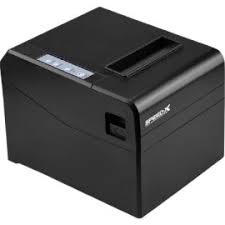
Factors That Influence Receipt Printer Manufacturing Costs and Delivery Times
Receipt printers are essential equipment for businesses that process daily transactions, including retail stores, restaurants, supermarkets, hotels, and transportation services. When purchasing these devices, businesses often compare more than product features and technical specifications. Manufacturing costs and delivery times are equally important because they affect procurement budgets, inventory planning, and the ability to maintain uninterrupted operations.
Several factors influence how much it costs to produce receipt printers and how long an order takes to complete. These include component prices, product design, customization requirements, production volume, quality inspections, and shipping arrangements. Working with an experienced Receipt Printer Manufacturer can help businesses understand these factors, prepare realistic purchasing plans, and manage their supply requirements more effectively.
1. Raw Material and Component Costs
The materials and electronic components used in receipt printers represent a significant part of manufacturing expenses. Different models require different combinations of plastic housings, thermal printheads, control boards, rollers, motors, sensors, power supplies, and connectors.
The cost of these components can change according to material availability, supplier pricing, manufacturing complexity, and market demand.
How Materials Affect Manufacturing Costs
The choice of housing material, printhead quality, and mechanical components can influence both product cost and expected service life. Components designed for frequent operation or demanding environments may have different costs from those used in basic models.
Manufacturers must balance component quality, product performance, and production expenses when selecting materials.
How Component Availability Affects Delivery
If important components are unavailable, production may be delayed while the manufacturer waits for new supplies. Specialized electronic parts can sometimes have longer procurement lead times than commonly available components.
Maintaining suitable inventory and working with reliable suppliers can help reduce these delays.
2. Printer Design and Technical Specifications
Receipt printers are available in different designs and configurations. Basic desktop models may have relatively simple construction, while advanced models can include additional connectivity, automatic cutters, wireless functions, and specialized paper-handling mechanisms.
More complex designs generally require additional engineering work, components, and assembly procedures.
Design Complexity and Production Expenses
Product features influence the number of components and the processes required during manufacturing. A printer with several communication interfaces or advanced mechanical functions may require more extensive assembly and testing than a simpler model.
Manufacturers must also consider housing dimensions, internal component placement, heat management, and mechanical alignment during product development.
Technical Approval and Development Time
New or modified designs may require engineering reviews, prototypes, and performance evaluations before mass production begins.
Businesses that finalize technical specifications early can help reduce repeated design changes and avoid unnecessary delays.
3. Order Quantity and Production Volume
The number of printers ordered can influence the unit price and overall production schedule. Larger orders may allow manufacturers to distribute certain setup and production expenses across more units.
However, large orders also require sufficient materials, production capacity, labor, and inspection resources.
Benefits of Bulk Orders
Bulk purchasing can offer several potential advantages:
- More efficient use of production equipment.
- Better planning for component procurement.
- Reduced setup expenses per unit.
- Opportunities for quantity-based pricing.
- More consistent product configurations across locations.
The actual savings depend on the product specifications, order size, supplier agreements, and production conditions.
Minimum Order Quantities
Manufacturers may establish minimum order quantities for standard models, customized products, or private-label projects. Custom tooling and specialized component procurement can make small production runs less economical.
Businesses should confirm minimum quantities before beginning negotiations, especially when testing a new product line.
4. Customization and OEM or ODM Requirements
Customization can increase manufacturing costs and extend delivery schedules. Businesses may request different housing colors, logos, packaging, labels, interfaces, or product specifications.
The level of customization determines how much additional engineering and production work is required.
Branding and Packaging Customization
Applying a logo or changing packaging may involve design preparation, printing, labeling, and approval procedures. These modifications are generally less complex than developing new printer hardware, but they can still influence production planning.
Hardware and Structural Modifications
Changes to housing dimensions, paper-feeding mechanisms, internal layouts, or electronic components may require engineering assessments and additional tooling.
The manufacturer must confirm that the requested modifications are technically feasible before estimating the final cost and delivery schedule.
Firmware and Software Adjustments
Some projects require changes to firmware settings, printer commands, or software compatibility. These requirements may involve additional development and testing.
Businesses should clearly identify their software and hardware requirements before production starts to avoid costly revisions.
5. Tooling and Equipment Requirements
Manufacturing equipment and tooling influence both initial production expenses and the time needed to prepare a product for manufacturing.
For example, a new plastic housing design may require dedicated molds. Developing these molds involves design work, material selection, machining, testing, and possible adjustments.
Initial Tooling Investment
Tooling costs can be higher for customized products than for standard models. The expense depends on the complexity, dimensions, material requirements, and expected production quantity.
For large orders, these costs may be distributed across more units. For smaller projects, the tooling expense can have a greater effect on the final unit price.
Tooling Preparation and Approval
Before mass production, manufacturers may need to test sample parts produced with new tooling. If the samples do not meet dimensional or appearance requirements, adjustments may be necessary.
Approving tooling and prototype samples promptly can help prevent unnecessary delays.
6. Manufacturing Capacity and Production Planning
A manufacturer’s available production capacity affects how quickly an order can be completed. Production schedules depend on machinery, workforce availability, component inventory, assembly processes, and existing customer orders.
A factory operating near full capacity may need additional time to schedule a new project.
Production Scheduling
Manufacturers coordinate several activities, including component preparation, assembly, inspection, and packaging. Poor coordination between these stages can create bottlenecks.
Effective production planning helps allocate labor and machinery according to order priorities and expected completion dates.
Automation and Production Efficiency
Automated assembly equipment can improve consistency and reduce the time required for repetitive tasks. Digital production monitoring can also help identify delays and equipment problems.
However, automation does not eliminate all production constraints. Customized designs, manual assembly operations, and specialized inspections may still require additional time.
7. Quality Control and Product Testing
Quality control is necessary to ensure that finished receipt printers meet their technical specifications. Testing adds time and cost to production, but it helps reduce the risk of defective products reaching customers.
Manufacturers may perform inspections at several stages.
| Quality Control Stage | Purpose |
|---|---|
| Incoming inspection | Verify the quality of materials and components |
| Assembly inspection | Check component placement and mechanical accuracy |
| Printing tests | Evaluate print clarity, consistency, and speed |
| Connectivity tests | Confirm supported communication interfaces |
| Durability testing | Assess performance during repeated operation |
| Final inspection | Verify product condition before packaging |
The complexity of testing depends on the product type, customer requirements, and applicable market regulations.
For customized or high-volume orders, buyers may request additional inspection procedures or sample approval. These requirements should be agreed upon before production begins.
8. Regulatory Compliance and Certification Requirements
Receipt printers sold in different markets may need to comply with specific electrical safety, electromagnetic compatibility, and other applicable product requirements.
The required documentation and testing depend on the destination country and product configuration.
How Compliance Affects Costs
Testing, technical documentation, conformity assessments, and certification-related activities can contribute to development and manufacturing expenses.
Products intended for multiple markets may require additional evaluation to confirm that they meet the relevant requirements in each region.
How Compliance Affects Delivery Schedules
If testing or documentation is incomplete, shipment may need to be delayed until the necessary requirements are addressed.
Businesses should identify their target markets early and confirm which standards and documents apply to the selected printer models.
9. Labor and Operational Expenses
Labor remains an important part of receipt printer production. Workers and technicians handle activities such as component preparation, assembly, inspection, equipment maintenance, and packaging.
Labor expenses vary according to production location, workforce skills, operating schedules, and manufacturing complexity.
Skilled Technical Labor
Customized receipt printers may require additional engineering and technical expertise. Employees may need to configure electronic components, evaluate prototypes, or resolve production issues.
The availability of experienced technicians can influence how efficiently a manufacturer completes specialized orders.
Factory Operating Costs
Electricity, machinery maintenance, facility management, and other operational expenses also contribute to production costs.
Manufacturers may improve efficiency through preventive maintenance, better equipment utilization, and coordinated production planning.
10. Packaging and Transportation Costs
Manufacturing expenses do not end when the printers are assembled. Products must be inspected, packed, stored, and transported to their destinations.
Packaging requirements depend on printer dimensions, accessories, shipping distance, and protection needs.
Product Packaging
A standard package may include the printer, power adapter, cables, user documentation, and other accessories, depending on the model.
Customized packaging can involve additional printing, labeling, and material costs. Protective packaging is also important because electronic equipment can be damaged by impact, vibration, or moisture during transportation.
Shipping Method and Delivery Time
Transportation choices affect both cost and delivery schedules.
- Air freight: Often suitable for urgent shipments or smaller orders, but generally more expensive.
- Sea freight: Commonly used for larger shipments where lower transportation costs are more important than speed.
- Express courier: Useful for samples, documents, and smaller deliveries requiring faster transportation.
The most suitable option depends on order size, destination, budget, customs procedures, and required arrival date.
11. Supplier Reliability and Supply Chain Conditions
The reliability of component suppliers and logistics partners can significantly influence manufacturing schedules. Delays involving thermal printheads, electronic boards, power supplies, or other critical parts may affect the entire production process.
External conditions such as transportation disruptions, customs delays, and changes in material availability can also influence delivery performance.
Managing Supply Chain Risks
Manufacturers may reduce these risks by maintaining relationships with multiple approved suppliers, monitoring inventory levels, and planning procurement in advance.
Businesses can also request information about component availability and production readiness before confirming large orders.
12. Seasonal Demand and Market Conditions
Receipt printer demand may increase during periods when businesses prepare for major retail seasons, holidays, or expansion projects. Higher order volumes can place additional pressure on manufacturing capacity and component supplies.
During busy periods, manufacturers may receive more orders than their normal production schedules can accommodate.
Businesses that anticipate seasonal demand should discuss purchasing plans early. Placing orders with sufficient lead time can help reduce the risk of stock shortages and urgent shipping expenses.
How Businesses Can Manage Manufacturing Costs and Delivery Times
Although buyers cannot control every production factor, careful procurement planning can make costs and delivery schedules more predictable.
Finalize Product Specifications Early
Prepare a clear specification sheet covering printing speed, resolution, paper width, connectivity, power requirements, operating environment, and accessories.
A complete specification reduces the need for repeated discussions and design changes.
Compare Complete Quotations
Evaluate quotations based on more than the unit price. Consider tooling, customization, packaging, inspection, shipping, warranty coverage, and payment terms.
A lower initial price may not represent the lowest overall purchasing cost.
Request Samples Before Bulk Production
Testing a sample allows buyers to verify printing quality, software compatibility, connectivity, and physical construction before approving a large order.
Sample approval also helps establish a clear reference for subsequent production batches.
Confirm Production and Shipping Schedules
Ask the manufacturer to separate the estimated time for material procurement, production, inspection, packaging, and transportation.
This makes it easier to identify potential delays and plan inventory requirements.
Maintain Clear Communication
Regular communication helps both parties address specification changes, component shortages, and approval requirements quickly.
Written records of product specifications, sample approvals, and agreed delivery conditions can reduce misunderstandings.
Questions to Ask a Receipt Printer Manufacturer Before Ordering
Before confirming a purchase, businesses should discuss the following points with their potential supplier:
- What is the minimum order quantity for the selected model?
- Are the required components currently available?
- Does the quotation include customization and packaging?
- How long will production take after sample approval?
- What quality inspections are performed before shipment?
- Are additional tooling or development charges required?
- Which shipping methods are available?
- How are production delays or defective products handled?
- What warranty and after-sales services are provided?
Obtaining clear answers helps businesses evaluate suppliers and establish realistic expectations.
Conclusion
Receipt printer manufacturing costs and delivery times depend on several interconnected factors, including component prices, product specifications, order quantities, customization, tooling, production capacity, quality testing, and transportation arrangements. Changes in any of these areas can influence the final quotation or expected delivery date.
Businesses can manage these variables more effectively by preparing detailed specifications, approving samples early, comparing complete quotations, and maintaining clear communication with suppliers. Understanding how manufacturing and supply chain decisions affect costs and lead times helps buyers plan procurement more accurately and establish dependable long-term supplier relationships.