


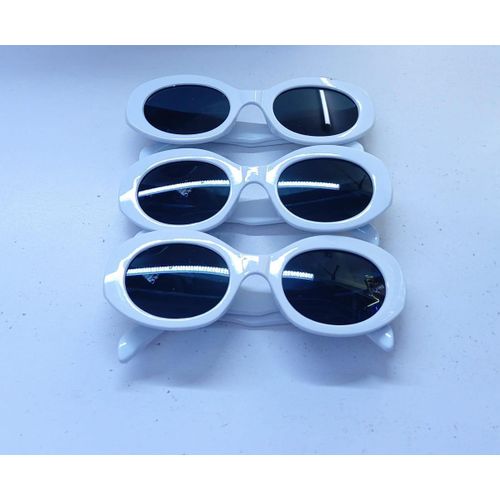
How to Plan Inventory When Purchasing Bulk Polarized Sunglasses
Buying sunglasses in bulk can help retailers maintain a broad product selection, but effective inventory planning is essential before committing to a large order. Without a clear purchasing strategy, businesses may face excess stock, storage challenges, or shortages of popular designs.
When purchasing Bulk Polarized Sunglasses, retailers should consider expected demand, product variety, seasonal patterns, supplier lead times, and available storage capacity. Planning these factors in advance can make bulk purchasing more manageable and financially efficient.
Start With Sales Data
Past sales performance is one of the most useful resources for planning future inventory. Review which frame shapes, colors, lens tints, and price ranges have generated the strongest demand.
Products with consistent sales can form the foundation of a new order. Slower-moving styles should generally be purchased more cautiously unless there is a clear reason to expect demand to increase.
Estimate Future Demand
Historical data provides a starting point, but future demand may differ from previous periods. Consider upcoming seasons, promotions, holidays, travel periods, and changes in customer preferences.
Avoid basing an entire bulk order on a single sales trend. Combining previous performance with current market observations can produce a more realistic demand estimate.
Create a Balanced Product Mix
Buying in bulk does not mean purchasing large quantities of only the most popular design. Customers often have different preferences for frame shapes, colors, and lens styles.
A balanced assortment might include:
- Classic aviator and rectangular frames
- Oversized designs
- Cat-eye and round silhouettes
- Neutral frame colors
- Contemporary colors and patterns
- Different polarized lens tints
This approach can provide variety while reducing dependence on one particular style.
Separate Core and Trend-Based Products
Some sunglasses styles have lasting appeal, while others are more closely connected to short-term fashion trends. Treating these categories differently can improve inventory planning.
Core products can receive a larger and more consistent inventory allocation. Trend-focused designs can be ordered in more controlled quantities and reviewed based on their actual sales performance.
Account for Seasonal Demand
Sunglasses demand can vary by season and location. Warmer months, vacation periods, and outdoor events may increase interest in sunglasses, while some markets experience relatively steady demand throughout the year.
Plan inventory around the specific buying patterns of the target market. Regional climate and customer behavior can be more useful indicators than a general seasonal assumption.
Calculate Reorder Points
A reorder point indicates when additional inventory should be purchased before existing stock becomes too low. This level should account for average sales and supplier lead time.
For example, if a product sells consistently and takes several weeks to replenish, waiting until only a few units remain may create an avoidable stockout. Setting a suitable reorder threshold provides greater flexibility.
Consider Supplier Lead Times
Bulk orders may require time for production, quality inspection, packaging, and shipping. These stages should be included when calculating how far in advance an order needs to be placed.
Ask suppliers for realistic lead-time estimates and consider possible delays when planning seasonal inventory. This is particularly important when products are needed for a specific selling period.
Review Minimum Order Quantities
Wholesale suppliers may set minimum quantities for specific products or complete orders. These requirements can affect how much inventory a retailer needs to hold.
Before accepting a minimum quantity, compare it with projected sales and storage capacity. A lower unit price may not be beneficial if the required quantity significantly exceeds expected demand.
Manage Storage Space
Bulk sunglasses require appropriate storage to prevent damage and maintain organization. Products should be protected from unnecessary pressure, dust, moisture, and conditions that could affect frames or lenses.
Organizing inventory by product code, style, color, or lens type can also make stock management easier. Clear labeling is especially valuable when a collection contains many similar designs.
Track Inventory by SKU
Each distinct product variation should ideally have its own inventory identifier. A SKU system can help retailers distinguish between different frame shapes, colors, lens combinations, and sizes.
Accurate SKU tracking makes it easier to identify fast-moving products and determine which items need replenishment or closer monitoring.
Monitor Stock Turnover
Stock turnover shows how quickly products move through inventory. High turnover can indicate strong demand, while low turnover may suggest that a product is not performing as expected.
Review turnover regularly instead of waiting until the end of a season. Early identification of slow-moving styles gives retailers more time to adjust purchasing decisions.
Keep a Safety Stock
A small safety stock can help protect against unexpected increases in demand or supplier delays. The appropriate amount depends on sales volume, lead times, and the importance of the product.
Safety stock should not be so large that it creates unnecessary excess inventory. Its purpose is to provide a reasonable buffer rather than replace accurate demand forecasting.
Review Bulk Order Costs
Inventory planning should account for the total cost of purchasing and holding products. In addition to the wholesale price, consider shipping, packaging, storage, duties where applicable, and potential markdowns on slow-moving stock.
A product with a low purchase price can still become costly if it remains in storage for an extended period.
Evaluate Samples Before Large Purchases
Before committing to a substantial quantity, retailers should inspect samples of the selected sunglasses. Check the lens quality, frame construction, hinges, fit, finishing, and packaging.
Suppliers such as Eugenia Eyewear can also be assessed based on sample quality, product specifications, order requirements, and consistency before a larger purchasing commitment is made.
Review Inventory Regularly
Inventory planning should continue after the order arrives. Compare actual sales with the original forecast and adjust future purchasing decisions accordingly.
If a particular style sells faster than expected, it may deserve a higher allocation in the next order. Conversely, consistently slow-moving products can be purchased in smaller quantities or replaced with different designs.
Use a Simple Forecasting Approach
Retailers can begin with a straightforward inventory formula:
Expected demand + safety stock − current inventory = estimated replenishment requirement
This is only a starting point, but it provides a practical framework for connecting sales forecasts with purchasing decisions. Businesses with larger inventories can use dedicated inventory software for more detailed forecasting.
Final Thoughts
Planning inventory before purchasing bulk polarized sunglasses can help retailers balance product availability with financial and storage considerations. Sales history, seasonal demand, product variety, reorder points, supplier lead times, and minimum quantities should all be part of the purchasing process.
A flexible strategy is often the most effective. Maintaining reliable core styles while testing new designs in controlled quantities allows businesses to respond to customer demand without taking unnecessary inventory risks.