


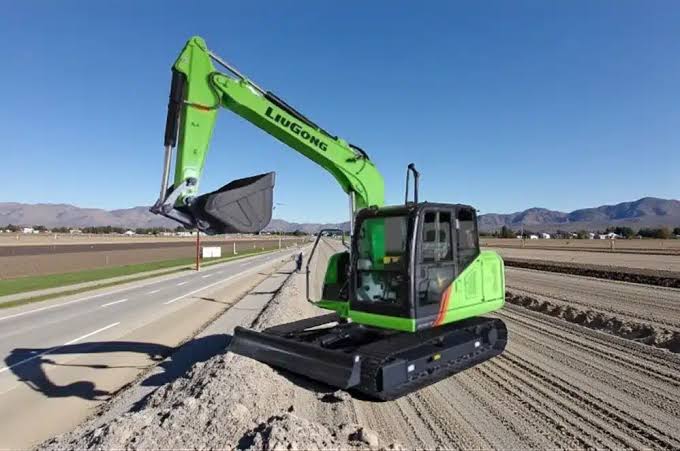
Electric Mini Excavator: A Practical Solution for Compact Job Sites
Working on a compact construction site requires a different approach from operating in an open development area. Limited access, nearby buildings, narrow pathways, underground infrastructure, and restricted storage space can complicate even routine excavation tasks. Contractors must select equipment that fits the environment while remaining capable of completing the planned work efficiently.
The growing availability of the electric mini excavator gives construction professionals another option for projects where compact dimensions and electric operation are important considerations. Rather than bringing oversized machinery into a confined area, contractors can assess whether a smaller excavator provides an appropriate balance of working capability, maneuverability, and operating requirements.
Why Compact Sites Require Different Equipment
Space limitations affect every stage of construction. Machinery must enter the site, move into working positions, perform excavation, and leave without damaging existing features or obstructing other activities. On some projects, the working area may be surrounded by walls, buildings, landscaped sections, or pedestrian routes.
A smaller excavator can simplify equipment placement when its dimensions are compatible with the available access. Contractors may be able to position the machine closer to the excavation area, reducing the distance between the digging location and the equipment’s working position.
However, compact dimensions alone do not guarantee suitability. The machine’s width, height, tail swing, turning characteristics, ground pressure, and transport requirements should be evaluated against actual site measurements.
Access and Maneuverability
Access is often the first challenge on a restricted site. Narrow entrances, temporary gates, uneven paths, and low overhead obstructions can prevent larger machines from reaching the work area. Compact equipment may provide more options, but a detailed access assessment is still necessary.
Contractors should measure entrance widths and heights, identify sharp turns, assess surface conditions, and determine whether temporary ramps or protective mats are required. The route should also account for people, material deliveries, and other machinery.
Once inside the work area, maneuverability helps operators reposition the excavator as tasks change. This can be useful when digging along building edges, preparing small foundations, or working within a limited garden or courtyard. Safe clearances must be maintained throughout operation.
Electric Operation in Restricted Environments
Electric power can be relevant when construction activities take place near occupied properties or in locations where exhaust emissions are undesirable. Electric excavators produce no exhaust emissions directly from the machine during operation, although electricity generation and charging infrastructure have their own environmental impacts.
Noise considerations may also influence equipment selection. Electric machinery can reduce engine-related noise, potentially making it more appropriate for selected projects involving residential surroundings or indoor work. The overall noise level still depends on digging conditions, hydraulic systems, tracks, attachments, and the surrounding environment.
Contractors should confirm whether the site has adequate charging access and whether the machine can complete the planned work within its available energy capacity. A charging plan should include realistic work duration, breaks, and backup arrangements where required.
Practical Applications on Small Projects
Compact excavators may be useful for a range of small-scale construction activities. These can include trenching for drainage, preparing garden structures, excavating around existing foundations, removing soil from limited spaces, and supporting landscaping improvements.
On residential sites, the machine may assist with tasks that would otherwise require extensive manual excavation. On commercial properties, it can support maintenance work or minor modifications where access is restricted.
The exact capability depends on the machine’s digging depth, reach, lifting capacity, bucket configuration, and operating weight. Contractors should avoid assuming that a compact model can handle every task simply because it can physically enter the site.
Protecting Existing Structures and Surfaces
Confined working areas require careful attention to surroundings. Operators need a clear understanding of underground utilities, foundation locations, surface conditions, and potential hazards before excavation begins.
Ground protection may be necessary when machines travel across finished paving, lawns, or sensitive surfaces. The working zone should be organized to keep pedestrians away from moving equipment and to provide safe access for workers.
Good site preparation can be just as important as machine selection. Marking excavation boundaries, arranging soil storage, and establishing clear movement routes may help prevent damage and delays.
Evaluating the Equipment Investment
Businesses should compare equipment options using actual project requirements. Important considerations include machine dimensions, performance specifications, battery capacity, charging time, attachment compatibility, maintenance arrangements, and local service availability.
Electric mini excavators may offer practical advantages for compact job sites when their capabilities align with the work and when charging can be incorporated into the schedule. A realistic assessment of site access and operational needs helps determine whether the equipment represents a suitable investment.
Conclusion
Compact construction sites benefit from machinery that can operate within limited space without compromising planning or safety. Electric mini excavators may support excavation, landscaping, drainage, and renovation tasks while offering potential advantages related to exhaust emissions and engine noise. Careful evaluation of dimensions, working capacity, site conditions, and charging requirements allows contractors to choose equipment that fits the realities of their projects.