


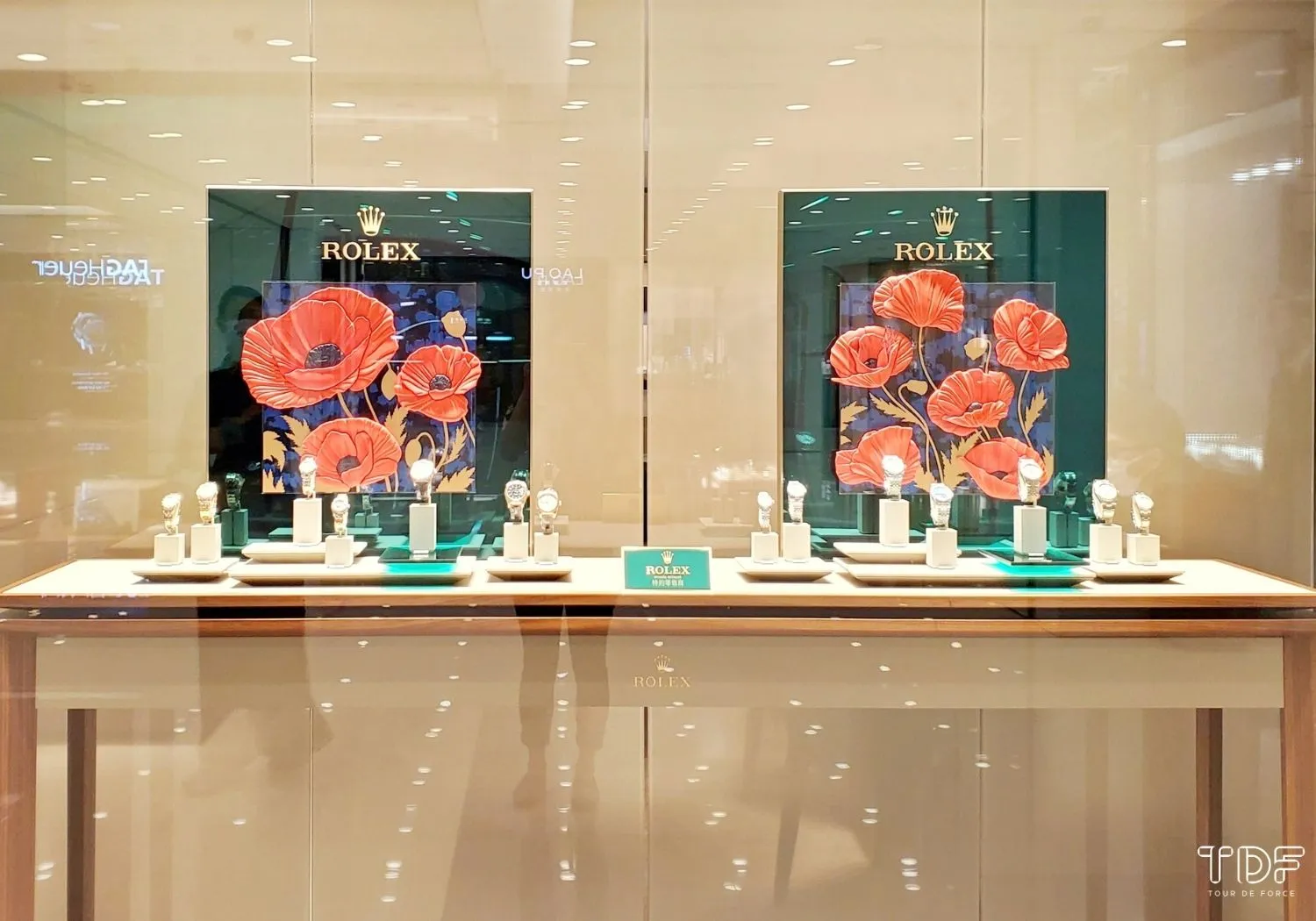
Key Elements of an Effective Showcase Display Design
In retail environments, presentation is one of the most powerful tools for influencing customer behavior. Even high-quality products can lose impact if they are not displayed properly. A well-structured retail environment helps guide attention, communicate value, and create a memorable shopping experience.
A successful Showcase Display is not just about aesthetics—it is a combination of design strategy, functionality, and customer psychology. A thoughtfully designed Showcase Display ensures that products are presented in a way that maximizes visibility, enhances brand identity, and improves overall customer engagement.
Table of Contents
ToggleClear Product Visibility
One of the most important elements of any effective showcase design is visibility. Customers should be able to see products clearly without distractions or obstruction.
Key visibility features include:
- Transparent glass panels for unobstructed viewing
- Proper product spacing to avoid clutter
- Eye-level placement for featured items
- Clean, minimal backgrounds to emphasize products
When visibility is optimized, customers can quickly understand product details and make informed decisions.
Strategic Lighting Design
Lighting plays a critical role in how products are perceived inside a showcase. It highlights important features and creates a visual hierarchy that guides customer attention.
Effective lighting design includes:
- Focused spotlights for key products
- Soft ambient lighting for overall balance
- LED strips integrated into display structures
- Anti-glare positioning for clear viewing
Good lighting enhances texture, color, and craftsmanship, making products more appealing.
High-Quality Materials and Finishes
The materials used in a showcase directly affect both durability and visual appeal. Premium materials also reinforce brand perception and product value.
Common materials include:
- Tempered glass for clarity and strength
- Metal frames for structure and durability
- Wood finishes for warmth and elegance
- Acrylic components for modern flexibility
High-quality finishes ensure the display remains attractive and professional over time.
Balanced Layout and Product Arrangement
An effective showcase display must guide the customer’s eye naturally through the products. Poor layout design can lead to confusion or missed opportunities.
Key layout principles include:
- Grouping similar products together
- Maintaining symmetry for visual balance
- Highlighting premium or new items in focal areas
- Avoiding overcrowded arrangements
A well-balanced layout improves navigation and enhances customer comfort.
Strong Focus on Branding
A showcase display should reflect the identity and personality of the brand. Every design choice contributes to how customers perceive the business.
Branding elements include:
- Consistent color schemes aligned with brand identity
- Subtle logo placement without overpowering design
- Materials that reflect brand positioning (luxury, modern, etc.)
- Cohesive design across all store fixtures
Strong branding creates recognition and builds customer trust.
Security Without Compromising Design
Since retail products are often high in value, security is an essential component of showcase design. However, it must be integrated without affecting aesthetics.
Important security features include:
- Lockable glass doors
- Reinforced structural frames
- Hidden locking systems
- Tamper-resistant construction
This ensures product safety while maintaining a clean visual appearance.
Customer-Friendly Accessibility
An effective showcase should not only look good but also support easy interaction. Customers should be able to view and understand products without difficulty.
Accessibility features include:
- Comfortable viewing angles
- Easy product comparison within display zones
- Clear separation between product categories
- Open sightlines for better navigation
A user-friendly design enhances the overall shopping experience.
Flexibility and Modular Design
Modern retail environments require adaptability. Showcase designs that can be adjusted or reconfigured offer long-term value for retailers.
Flexibility benefits include:
- Easy updates for seasonal collections
- Adjustable shelving and layouts
- Scalable configurations for different store sizes
- Compatibility with new product lines
This ensures the display remains relevant over time.
Integration of Modern Technology
Technology is becoming an increasingly important part of retail display design. It enhances customer interaction and provides additional product information.
Modern integrations include:
- Digital screens for product storytelling
- Interactive touch panels
- QR codes linking to online content
- Smart lighting systems with adjustable settings
These features create a more engaging and informative shopping experience.
Conclusion
An effective showcase display is built on a combination of visibility, lighting, materials, layout, branding, and functionality. Each element plays a role in shaping how customers perceive and interact with products in a retail environment.
A well-designed Showcase Display helps retailers create organized, visually appealing, and customer-focused spaces that enhance both brand identity and sales performance. By focusing on these key elements, businesses can ensure their retail environments are both functional and impactful in a competitive marketplace.