


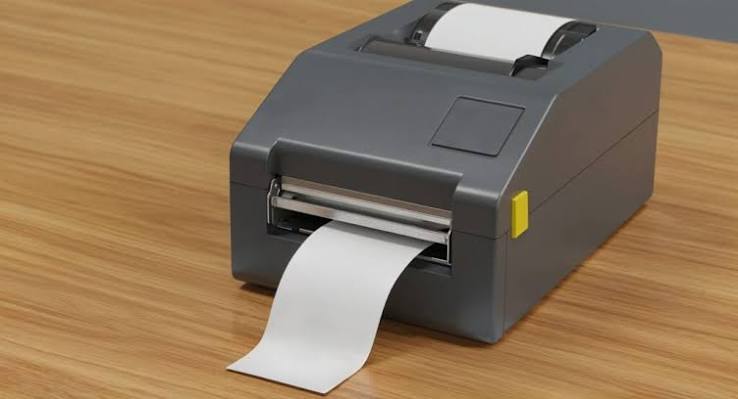
Sustainable Manufacturing Practices in the Global Thermal Printer Industry
Sustainability has become an important consideration across the global electronics manufacturing industry. As businesses pay greater attention to environmental responsibility, manufacturers are exploring ways to reduce energy consumption, minimize material waste, improve production efficiency, and extend product life cycles. The thermal printer industry is part of this shift because its manufacturing processes involve electronic components, plastics, metals, packaging materials, and energy-intensive operations.
A responsible Thermal Printer Manufacturer can contribute to more sustainable production by improving resource management, selecting appropriate materials, optimizing factory operations, and developing durable products. These practices can benefit the environment while helping businesses manage long-term manufacturing expenses and meet evolving customer expectations.
1. Understanding Sustainability in Thermal Printer Manufacturing
Sustainable manufacturing involves producing goods while reducing unnecessary environmental impacts and using resources efficiently.
In the thermal printer industry, sustainability extends beyond the finished device. It includes component sourcing, product design, factory operations, packaging, transportation, maintenance, and end-of-life management.
Manufacturers can evaluate their environmental performance by examining areas such as:
- Energy consumption during production
- Water usage and waste management
- Raw material efficiency
- Electronic component sourcing
- Packaging materials
- Product durability and repairability
- Manufacturing emissions
- Recycling and disposal practices
Considering these factors throughout the product life cycle provides a more complete approach to environmental responsibility.
2. Improving Energy Efficiency in Manufacturing Facilities
Energy consumption is an important part of electronics manufacturing. Production equipment, assembly lines, testing systems, lighting, and factory facilities all require electricity.
Manufacturers can reduce energy use by reviewing equipment performance and improving production processes.
Common approaches include installing energy-efficient machinery, using automated systems where practical, maintaining equipment regularly, and optimizing factory lighting and ventilation.
Energy monitoring systems can also help identify operations that consume more electricity than necessary.
By measuring energy use across different production stages, manufacturers can identify opportunities for improvement and establish realistic efficiency targets.
3. Selecting Materials with Lower Environmental Impact
Material selection influences the environmental footprint of thermal printers.
These products commonly contain plastic housings, metal components, electronic circuit boards, cables, and other materials. The environmental impact of these resources can vary according to their origin, production methods, durability, and disposal options.
Manufacturers can investigate materials that offer suitable performance while reducing unnecessary resource consumption.
Potential approaches include:
- Using recycled materials where technically appropriate
- Reducing excessive plastic components
- Selecting materials with established recycling pathways
- Evaluating responsibly sourced packaging materials
- Designing components for longer service life
Material substitutions must be tested carefully. Any alternative should meet the required standards for strength, heat resistance, electrical safety, and product reliability.
4. Reducing Waste During the Production Process
Manufacturing waste can result from defective components, incorrect assembly, material cutting, damaged packaging, and inefficient production planning.
Reducing waste is beneficial because it can lower material costs and decrease the amount of waste requiring disposal.
Thermal printer manufacturers can introduce structured waste reduction programs that focus on identifying unnecessary material use and improving production accuracy.
Practical measures include:
- Monitoring component usage
- Improving assembly procedures
- Reducing product defects
- Optimizing material dimensions
- Reusing suitable production materials
- Separating recyclable waste
- Improving packaging efficiency
Regular waste audits can help factories understand where losses occur and which improvements provide the greatest benefits.
5. Designing More Durable Thermal Printers
Product durability is closely connected to sustainability.
A thermal printer that operates reliably for a longer period may reduce the need for frequent replacements. This can lower demand for new components, manufacturing resources, and transportation.
Manufacturers can improve product longevity through better component selection, mechanical design, printhead protection, and quality control.
Durability testing may examine paper-feeding mechanisms, cutter performance, electronic components, housing strength, and printing consistency.
Designing for longer service life does not mean that every product must be built for the same workload. Manufacturers should match durability requirements to the intended application, whether it involves occasional receipt printing or continuous industrial labeling.
6. Developing Energy-Efficient Printing Technology
Sustainable product development also considers how much energy a printer consumes during normal operation.
Thermal printers use heat to create images, so the efficiency of the printhead and its control system can influence power requirements.
Research and development teams can examine heating control, power management, electronic circuit efficiency, and standby consumption.
Improved firmware may also help manage certain operating functions more effectively.
These developments should be tested under realistic printing conditions to confirm that energy improvements do not negatively affect output quality, printing speed, or equipment reliability.
7. Using Responsible Packaging Materials
Packaging protects thermal printers and their accessories during storage and transportation. However, excessive or difficult-to-recycle packaging can create unnecessary waste.
Manufacturers can improve packaging sustainability by reviewing material quantities, package dimensions, and available recycling options.
Possible improvements include:
- Using recyclable cardboard cartons
- Reducing unnecessary plastic inserts
- Selecting appropriately sized packaging
- Avoiding excessive protective layers
- Providing digital manuals where practical
- Using reusable packaging for suitable internal logistics operations
Packaging must still provide sufficient protection against moisture, impact, and handling damage. A sustainable design should balance reduced material use with the need to prevent product damage during shipping.
8. Improving Supply Chain Sustainability
Thermal printer manufacturing relies on suppliers of electronic components, metals, plastics, packaging, and other materials.
Environmental performance therefore depends partly on the practices of suppliers throughout the supply chain.
Manufacturers can strengthen supply chain sustainability by evaluating supplier policies, material sourcing, production methods, and waste management procedures.
Useful practices include requesting relevant environmental information, assessing supplier compliance, and considering transportation efficiency when selecting sourcing arrangements.
Long-term cooperation with reliable suppliers can also support better planning and reduce unnecessary purchasing and material waste.
9. Implementing Better Water and Wastewater Management
Although water is not the primary resource used in every thermal printer production process, some manufacturing operations may require water for cleaning, facility maintenance, or supporting industrial processes.
Poor water management can create unnecessary consumption and disposal problems.
Factories can review their water use, identify avoidable losses, and introduce efficient cleaning procedures.
Where wastewater is generated, it should be managed according to applicable environmental requirements.
Monitoring consumption and maintaining appropriate treatment systems can help manufacturers improve resource management and reduce environmental risks.
10. Adopting Cleaner Production Technologies
Cleaner production focuses on preventing waste and pollution instead of relying only on treatment after environmental impacts occur.
In thermal printer manufacturing, this approach may involve improving assembly processes, reducing material losses, selecting more efficient equipment, and managing production chemicals responsibly.
Manufacturers can also evaluate whether automation can reduce repetitive errors and improve material utilization.
However, introducing new production technology requires careful assessment of equipment costs, energy use, worker training, and expected environmental benefits.
The most effective improvements are those that produce measurable results without creating new operational problems.
11. Improving Product Repairability and Maintenance
A printer that can be maintained and repaired effectively may remain useful for longer than a product that requires complete replacement after a relatively minor failure.
Manufacturers can support repairability by designing accessible components, providing replacement parts, and preparing clear maintenance instructions.
Important maintenance areas may include:
- Printhead cleaning
- Roller inspection
- Cutter maintenance
- Paper path cleaning
- Cable and connector checks
- Firmware updates
- Replacement of worn components
Providing technical documentation and service support can help businesses maintain equipment and reduce avoidable electronic waste.
Repairability should also be considered during product design rather than treated only as an after-sales responsibility.
12. Managing Electronic Waste Responsibly
Electronic waste contains materials that may be recoverable but can also create environmental risks when improperly discarded.
Thermal printers include circuit boards, power supplies, motors, cables, and other electronic components that require appropriate end-of-life handling.
Manufacturers can contribute to responsible electronic waste management by providing disposal guidance, supporting recycling initiatives, and following applicable waste regulations.
Businesses replacing old printers should also consider approved electronic waste collection and recycling services rather than disposing of equipment with ordinary household or commercial waste.
Responsible end-of-life management helps recover useful materials and reduces the amount of electronic equipment entering unsuitable disposal channels.
13. Applying Environmental Management Standards
Environmental management systems help manufacturers organize and monitor their sustainability activities.
ISO 14001 is an internationally recognized environmental management standard that provides a framework for organizations to manage environmental responsibilities and improve their performance.
Manufacturers may use environmental management systems to establish objectives, identify environmental risks, monitor compliance, and review operational results.
Certification should not be treated as automatic proof that every product is environmentally preferable. Buyers should evaluate the scope of certification and the actual environmental practices relevant to the manufacturing facility.
Transparent documentation can help customers understand how manufacturers manage environmental responsibilities.
14. Reducing Transportation-Related Environmental Impacts
Thermal printers and their components often travel through international supply chains before reaching end users.
Transportation can contribute to greenhouse gas emissions, particularly when products are shipped over long distances or through inefficient logistics arrangements.
Manufacturers can work with suppliers and logistics partners to improve transportation efficiency.
Possible measures include consolidating shipments, optimizing packaging dimensions, coordinating production schedules, and selecting suitable transportation methods.
For international buyers, sea freight may be more efficient for certain large shipments, while air freight may be necessary when delivery speed is a priority.
The appropriate choice depends on shipment size, delivery deadlines, inventory requirements, and the environmental impact of available options.
15. Using Automation to Improve Resource Efficiency
Automation can support sustainable manufacturing by improving production accuracy and reducing avoidable errors.
Automated assembly equipment, inspection systems, and material handling technologies may help factories maintain consistent production processes.
For example, automated inspection can identify certain assembly or printing defects before products move to later production stages.
This can reduce the number of defective units requiring rework or disposal.
However, automation equipment also consumes resources and requires maintenance. Manufacturers should assess its full operational impact rather than assuming that every automated process is automatically more sustainable.
16. Evaluating the Environmental Impact of Product Life Cycles
A life cycle approach examines the environmental effects of a product from material extraction through manufacturing, distribution, use, and disposal.
For thermal printers, this means considering more than factory energy consumption.
Important life cycle factors may include:
- Production of electronic components
- Plastic and metal processing
- Printer assembly
- Packaging and transportation
- Electricity used during operation
- Consumables such as paper, labels, and ribbons
- Maintenance and replacement parts
- End-of-life recycling
Life cycle assessment can help manufacturers identify stages with relatively high environmental impacts.
This information can guide product design improvements and provide a more accurate basis for sustainability decisions.
17. Reducing the Environmental Impact of Printing Consumables
Thermal printing requires consumable materials, and their environmental effects should be considered alongside printer manufacturing.
Direct thermal printers use heat-sensitive paper or labels, while thermal transfer printers also require compatible ribbons.
Manufacturers can support more responsible use by designing equipment for appropriate media compatibility and providing clear operating guidance.
Businesses can help reduce waste by selecting suitable label sizes, avoiding unnecessary test prints, optimizing print layouts, and maintaining equipment to prevent misprints.
Consumable selection should also consider the needs of the application, including print durability, storage conditions, and readability.
18. Encouraging Sustainable Innovation Through Research and Development
Research and development gives manufacturers opportunities to explore more sustainable product designs and production methods.
Engineering teams may investigate recycled materials, energy-efficient electronic systems, improved component durability, and packaging alternatives.
They can also study how product structures influence repairability and end-of-life recycling.
Testing is essential because environmentally preferable materials or designs must still meet functional, safety, and reliability requirements.
Collaboration between engineers, suppliers, and customers can help identify improvements that are both technically practical and commercially viable.
19. How Businesses Can Evaluate a Manufacturer’s Sustainability Practices
Companies purchasing thermal printers increasingly need to understand how their suppliers manage environmental responsibilities.
However, sustainability claims should be evaluated through specific evidence rather than general statements.
Businesses can ask potential suppliers questions such as:
- Does the manufacturing facility have an environmental management system?
- How does the company monitor energy and water consumption?
- What measures are used to reduce production waste?
- Are recycled or recyclable materials used where appropriate?
- How are electronic components and manufacturing waste handled?
- Does the company provide information about product durability and repairability?
- What packaging materials are used for finished products?
- Are environmental practices assessed across the supply chain?
- Can the manufacturer provide relevant certificates or supporting documentation?
- How are sustainability improvements measured and reviewed?
These questions help buyers distinguish between measurable environmental initiatives and unsupported marketing claims.
20. Future Trends in Sustainable Thermal Printer Manufacturing
Sustainability in the thermal printer industry is likely to develop alongside improvements in electronics, materials science, automation, and supply chain management.
Several areas may receive greater attention in the coming years.
More Efficient Electronic Components
Improvements in printhead control and power management may help reduce energy consumption during printing and standby operation.
Recyclable and Recycled Materials
Manufacturers may explore more material options that support recycling while maintaining the required strength and performance.
Longer Product Life Cycles
Improved durability, repairability, and replacement part availability may help extend the useful life of printing equipment.
Smarter Manufacturing Systems
Digital monitoring and automated inspection may help factories identify resource waste and improve production efficiency.
Greater Supply Chain Transparency
Businesses may increasingly request information about material sourcing, environmental management, and manufacturing practices from their suppliers.
The adoption of these developments will depend on cost, technical feasibility, regulatory requirements, and customer expectations.
Conclusion
Sustainable manufacturing practices are becoming increasingly important in the global thermal printer industry. Manufacturers can reduce environmental impacts through energy-efficient production, responsible material selection, waste reduction, durable product design, improved packaging, and responsible electronic waste management.
A comprehensive approach also considers supplier practices, transportation, consumables, maintenance, and product life cycles. For businesses purchasing thermal printers, evaluating a manufacturer’s environmental initiatives alongside product quality and technical capabilities can support more responsible sourcing decisions. As environmental expectations continue to evolve, manufacturers that integrate measurable sustainability improvements into their operations will be better positioned to meet the needs of environmentally conscious markets.